Air Connectivity and Urban Growth in Morocco
How airport capacity and air routes can influence Moroccan tourism, logistics, housing, and commercial property, with a framework for avoiding speculative airport-led investment.
Orchid Island
Editorial team
3 min read
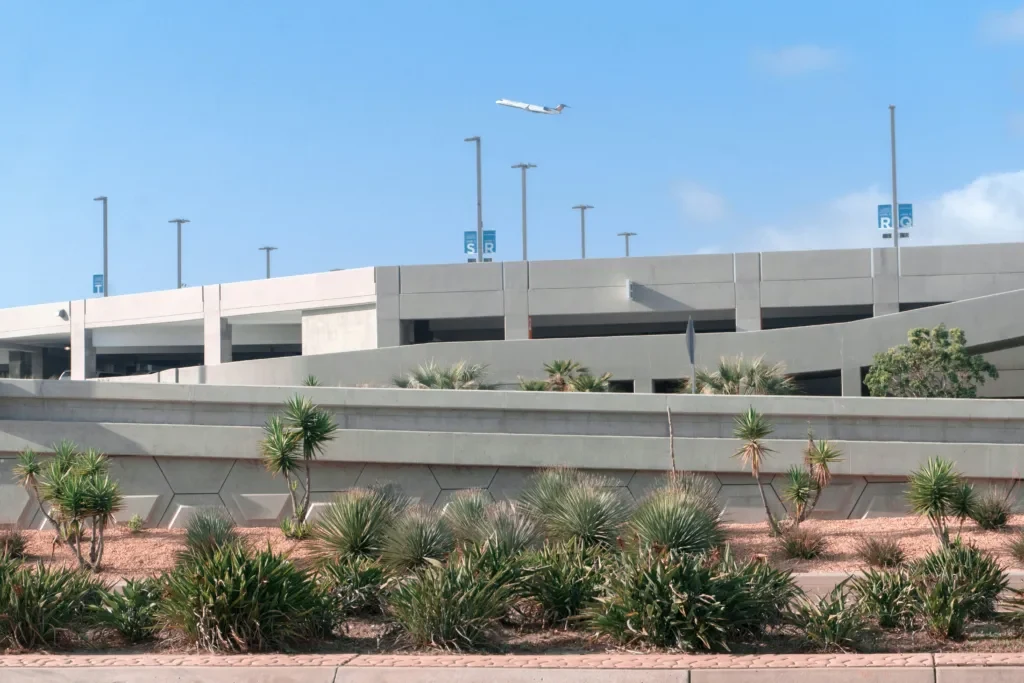
Air routes and airport investment can change how visitors, workers, goods, and capital move through a region. In Morocco, stronger connectivity may support tourism, logistics, business services, and residential demand in cities linked to international and domestic networks.
An airport does not automatically raise the value of every nearby property. Noise, traffic, planning controls, surface transport, local employment, competing supply, and the exact location of new infrastructure determine who benefits.
Airports Support Different Economic Uses
Passenger growth can create demand for hotels, serviced accommodation, transport, retail, and conference services. Cargo and industrial connections may support warehouses, light industry, offices, and worker housing.
These uses need different sites. A logistics property values freight access and road capacity, while a home or hotel also needs comfort, services, and protection from aircraft noise.
Major Cities Have Distinct Airport Relationships
Casablanca's Mohammed V Airport serves a large business and aviation network. Tangier's connections interact with port, logistics, and industrial activity. Agadir and Marrakech are strongly linked to tourism, while airports serving Fès, Oujda, Ouarzazate, Laayoune, and other cities can influence regional access in different ways.
Investors should study the local economy and route network rather than applying one national airport-city thesis to every market.
Surface Access Determines Practical Value
The benefit of an airport depends on the full journey. Roads, rail, public transport, drop-off, parking, freight movement, and links to employment or visitor districts shape the surrounding market.
Test travel times during ordinary peak conditions. Confirm whether proposed connections are funded and under construction, and understand how the route may affect the property through traffic, land acquisition, or new competing districts.
Hospitality Demand Needs a Wider Base
Airport access can help hotels and short-stay property, but guests rarely choose accommodation for proximity alone. The asset still needs a reason to stay, appropriate service, authorization, safe access, and a competitive price.
A rental model should distinguish passengers in transit, business visitors, tourists, airline staff, and event demand. Include seasonality, management, cleaning, transport, platforms, maintenance, insurance, and tax.
Logistics and Commercial Development
Cargo, manufacturing, and trade can support logistics parks and commercial zones near suitable airports. Investors should confirm freight volumes, road and customs infrastructure, permitted use, utilities, warehouse specifications, tenant requirements, and competing supply.
An announced business park or route is not evidence of tenant demand. Pre-leasing, completed infrastructure, and employer commitments are stronger signals.
Plan Airport Districts for People as Well as Vehicles
Successful urban districts need housing, services, public space, safe walking, and transport in addition to runways and roads. Noise contours, air quality, heat, drainage, and green infrastructure should inform planning.
Claims about smart or sustainable airport cities need measurable specifications for energy, water, mobility, construction, and long-term management.
Investor Due Diligence
Before buying on an airport-growth narrative, verify:
- The exact infrastructure project, status, funding, and timetable
- Current and forecast passenger or cargo demand from credible sources
- Planning, noise, height, safety, and land-use restrictions
- Surface access and utility capacity
- The intended tenant, guest, or buyer population
- Existing and planned competing supply
- Construction, operating, financing, and exit risk
Morocco's investment authority, AMDIE, can provide official investment context, while each property requires local authority and professional checks.
Connectivity Is One Part of the Asset
Airport and route expansion can strengthen regional property markets when it connects to tourism, trade, employment, and well-planned urban services. Long-term value still comes from a legally clear, usable property in a location where demand remains after the initial infrastructure story.
Contact Orchid Island to assess Marrakech property in relation to airport access and wider neighborhood fundamentals.