Agricultural Land Morocco: What Foreign Buyers Need to Know
Explore rules, risks, and benefits of owning agricultural land in Morocco as a foreign buyer.
Orchid Island
Editorial team
2 min read
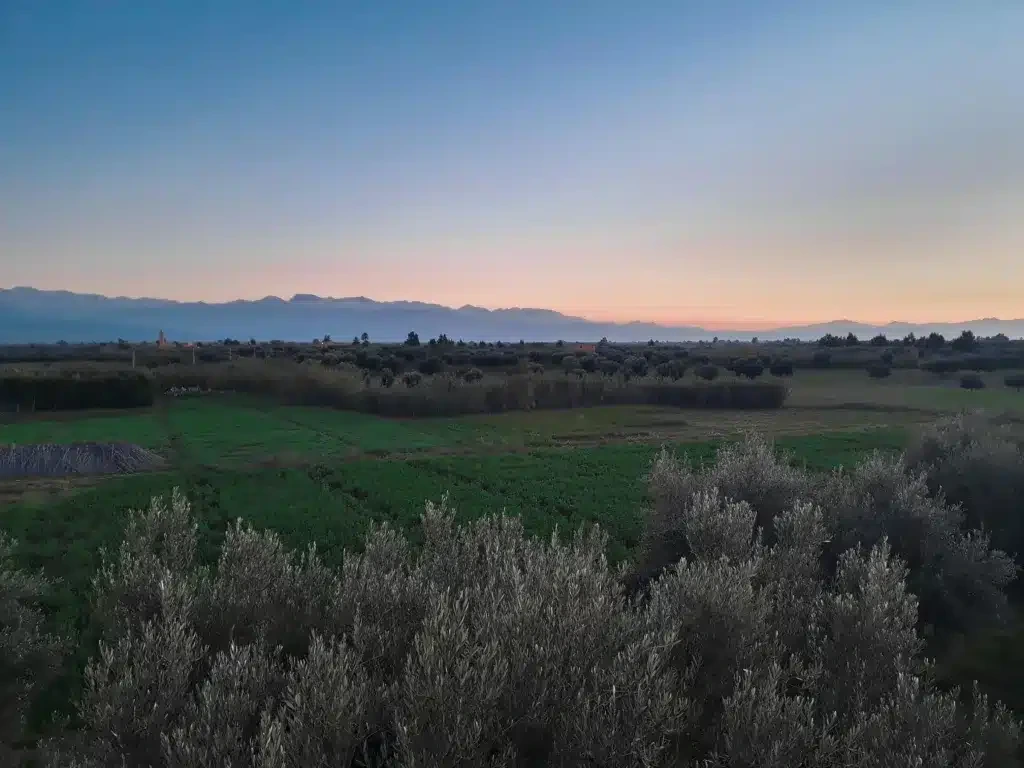
Foreign investors are showing growing interest in Moroccan agricultural land. Fertile areas around Marrakech, the Souss Valley and parts of the Rif may offer long-term potential, but this type of purchase carries specific legal requirements and practical risks.
Legal Considerations
Foreigners may buy real estate in Morocco, but agricultural land is subject to tighter controls. Moroccan law does not allow non-Moroccan individuals or companies to purchase it directly unless its use can be converted to a non-agricultural purpose. That conversion requires a “non-agricultural vocation” permit from the local authorities.
Buyers must verify title registration. Many rural properties remain under traditional communal or informal systems, and transferring ownership without official registration can be legally difficult.
Investment Opportunities
Despite the regulatory constraints, agricultural land can have advantages. It is generally less expensive than urban parcels and may suit long-term projects such as eco-resorts, agritourism or organic farms when all legal requirements are met.
The government also supports agricultural development through initiatives such as “Plan Maroc Vert.” These programs offer assistance, subsidies and tax incentives for production, adding to the sector’s appeal.
Constraints and Risks
Restrictions on foreign ownership remain the principal obstacle. Investors should obtain legal advice, confirm all documentation and consider alternatives such as partnership agreements with Moroccan entities. Permit delays and land disputes create additional risk.
Infrastructure is another concern. Agricultural land may lack roads, water systems or electricity, increasing development costs and making a feasibility study essential before purchase.
Regions of Interest
Marrakech-Tensift Al Haouz, Souss-Massa and other parts of northern Morocco attract attention for their fertile soils and proximity to urban areas. Ownership remains complex, but informed buyers may still identify viable opportunities.
Market Outlook
Rural land investment is expected to increase in 2025 as green development, food security and climate resilience drive demand. Agricultural land can support these objectives when a project follows sustainable practices.
Conclusion
Moroccan agricultural land combines investment potential with substantial regulation. Foreign buyers need rigorous legal due diligence, an infrastructure assessment and a clear development plan. With qualified guidance, rural property can form part of a diversified portfolio.
To assess an agricultural land investment, contact our local real estate and legal specialists for guidance on ownership requirements.