Art and Culture in Marrakech: What It Means for Historic Property
How Marrakech's museums, fairs, film, design, craft, and creative communities shape the appeal and responsible use of riads and other historic property.
Orchid Island
Editorial team
3 min read
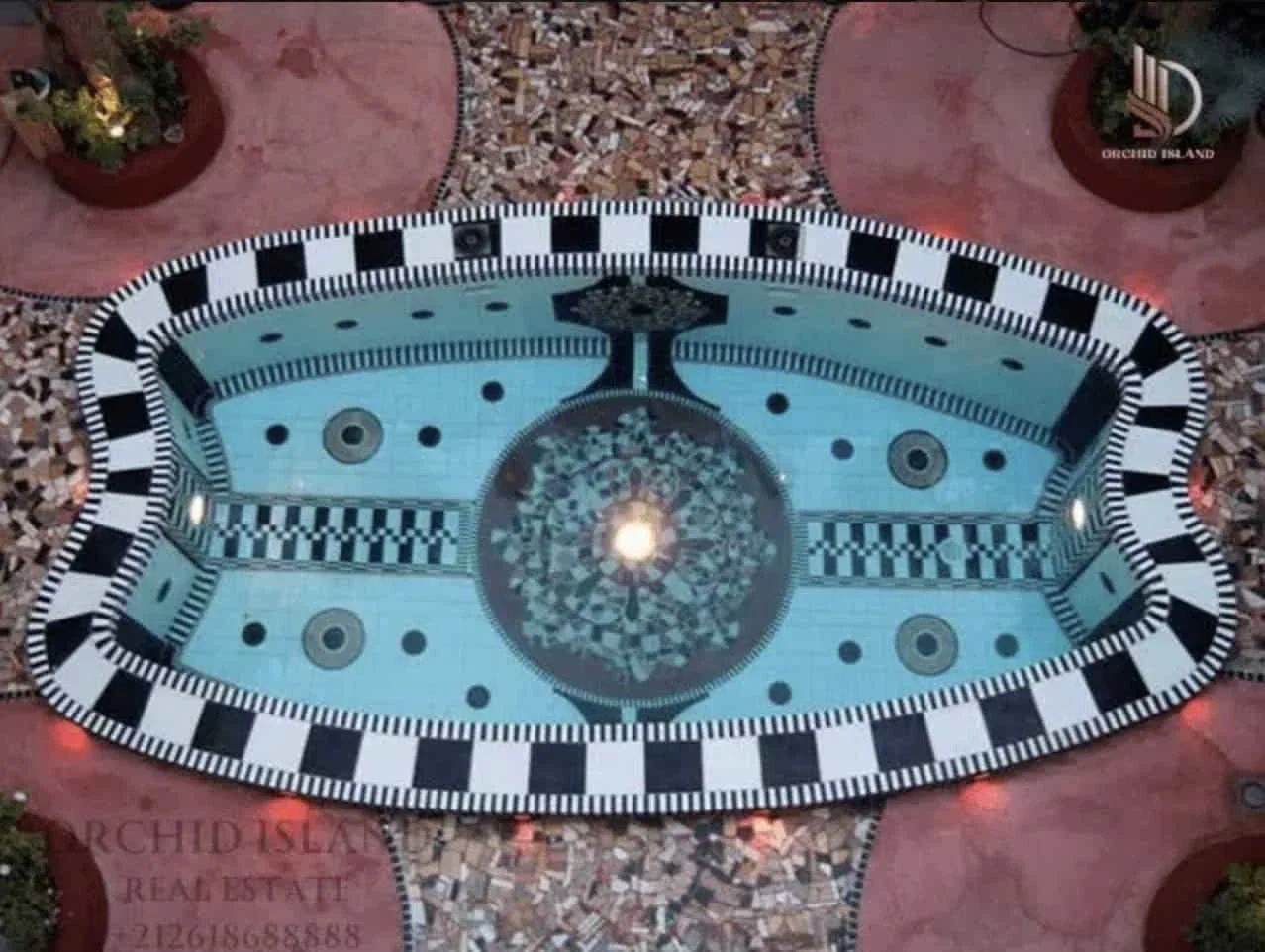
Marrakech's creative identity is expressed through architecture, craft workshops, galleries, museums, film, photography, music, food, and public events. The city attracts artists and audiences from Morocco, across Africa, and internationally, while its cultural life remains rooted in local makers and historic neighborhoods.
For a property buyer, this context can strengthen the appeal of a riad or other distinctive building. It also creates a responsibility to preserve architecture, credit craft accurately, and confirm that any gallery, event, residency, or hospitality use is appropriate and permitted.
A City with Several Cultural Layers
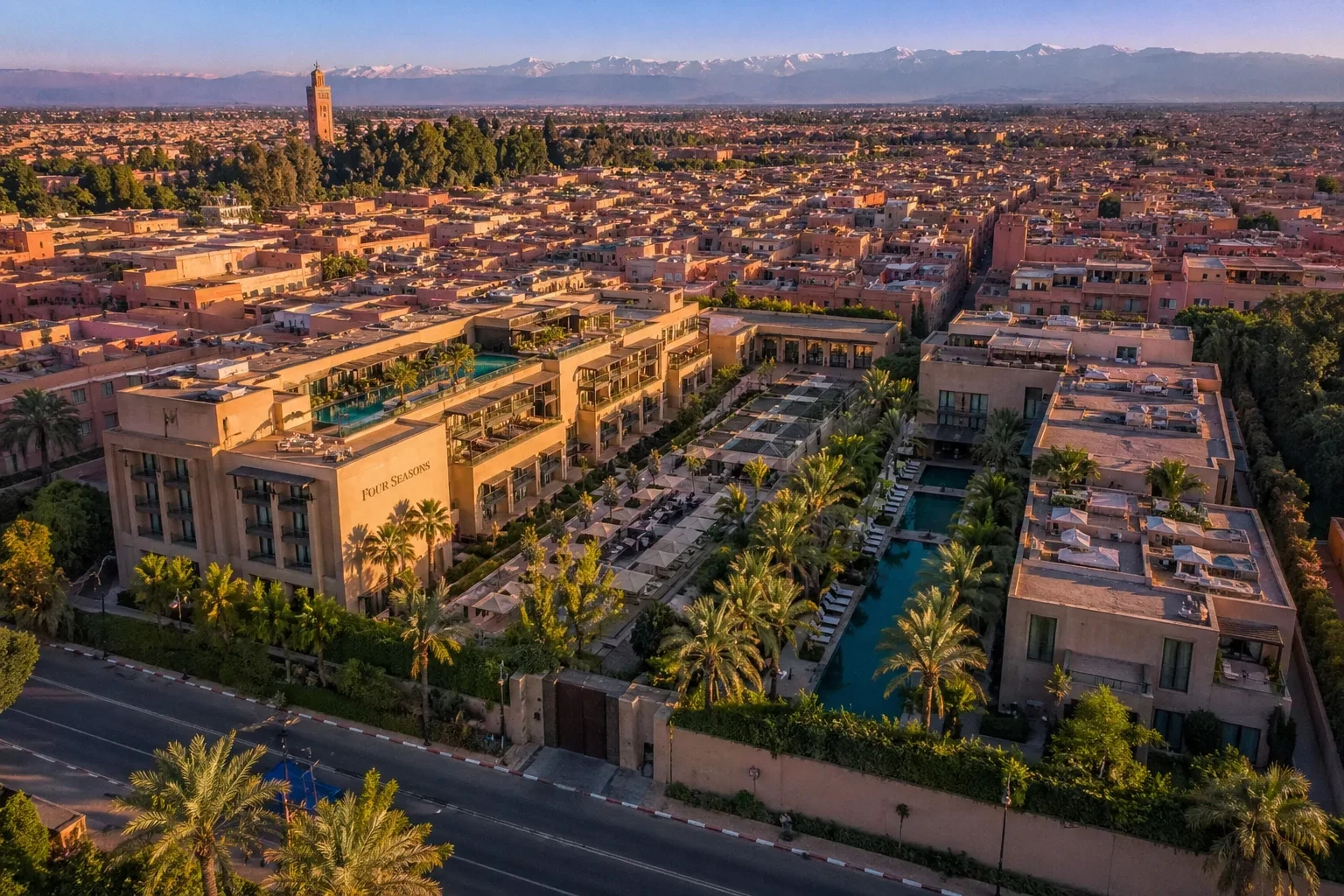
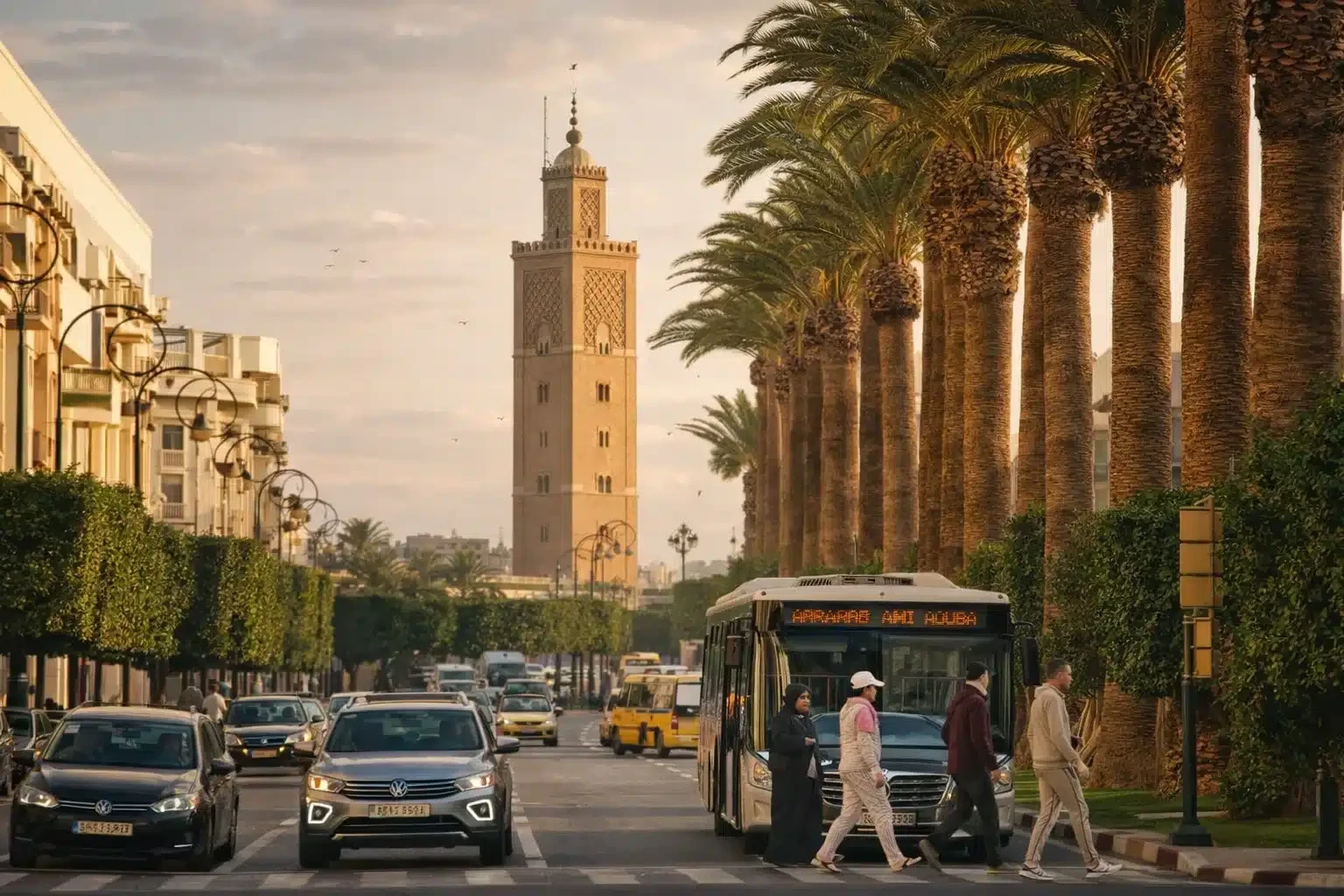
The Medina's streets, courtyards, workshops, and monuments form part of the city's living cultural landscape. Contemporary institutions and events add new audiences and forms of production. The Marrakech International Film Festival and 1-54 Contemporary African Art Fair are among the initiatives that bring wider attention to the city.
This activity should not be reduced to a claim that Marrakech has replaced every other African cultural center. Its strength lies in the particular relationship between local tradition, contemporary practice, and exchange with other cities.
Historic Property as Architecture, Not a Blank Canvas
A riad can offer courtyards, terraces, zellige, carved plaster, cedar, and carefully controlled light. These qualities may suit a home, guest property, small exhibition, or creative residency, depending on access, scale, and authorization.
Before changing the building, buyers should document existing fabric and obtain architectural and technical advice. Structural repairs, waterproofing, services, climate control, lighting, and accessibility need to be integrated without erasing the features that created the property's value.
Supporting Moroccan Makers
Restoration and interior work can engage zellige makers, plaster artisans, woodworkers, metalworkers, weavers, painters, and furniture makers. Good commissioning requires clear designs, samples, timelines, payment terms, credit, and responsibility for installation and care.
Buyers should distinguish local handmade work from mass-produced decoration and avoid using craft only as a marketing theme.
Art, Hospitality, and Event Use
A culturally oriented property may host exhibitions, dinners, workshops, or residencies, but each format changes the operating requirements. Guest capacity, fire safety, insurance, food service, music, staffing, neighbors, security, art handling, and public access need assessment.
A private home should not be marketed as an event venue or museum until the relevant use, permissions, and professional systems are in place.
Evaluating the Investment Case
Cultural appeal can support demand, but it does not guarantee rental income or appreciation. Buyers should assess:
- Legal ownership and permitted use
- Access and the immediate neighborhood
- Building condition and restoration budget
- Capacity and cost of the intended operation
- Evidence of guest, tenant, or buyer demand
- Management, maintenance, and resale liquidity
The financial model should separate property value from speculative revenue attached to unproven events or cultural programming.
Preserve What Makes the Property Distinctive
Marrakech offers an exceptional setting for people interested in art, design, and architecture. A well-considered property can become a home or creative place that participates in this cultural life without treating heritage as a commodity alone.
Explore Marrakech properties or contact Orchid Island to discuss a historic acquisition with coordinated legal and technical advice.