Global Hotel Expansion in Morocco: 7 Opportunities Behind the Growth Cycle
How tourism growth, international operators, urban investment, and 2030 infrastructure are reshaping Morocco's hospitality market.
Orchid Island
Editorial team
5 min read
Morocco's hotel expansion reflects a broader change in the country's economic and tourism strategy. The shift is not limited to adding rooms. It connects hospitality assets with infrastructure, transport, digital platforms, tourism services, and urban development.
Economic stability, ambitious tourism policy, and stronger investor confidence are supporting this cycle. Institutional capital and multinational operators are also bringing more scalable, standardised, and professionally managed models to a market that was previously more fragmented and domestically led.
A new hotel investment cycle
Three structural forces explain the acceleration:
- Strong tourism growth across several visitor segments.
- Wider participation by international hotel brands.
- Investment planned around major global events, particularly 2030.
Together, these forces position Morocco as a potentially high-yield, medium-risk hospitality market among emerging economies. They also introduce a more complex investment structure in which ownership, brand management, and day-to-day operations are increasingly separate.
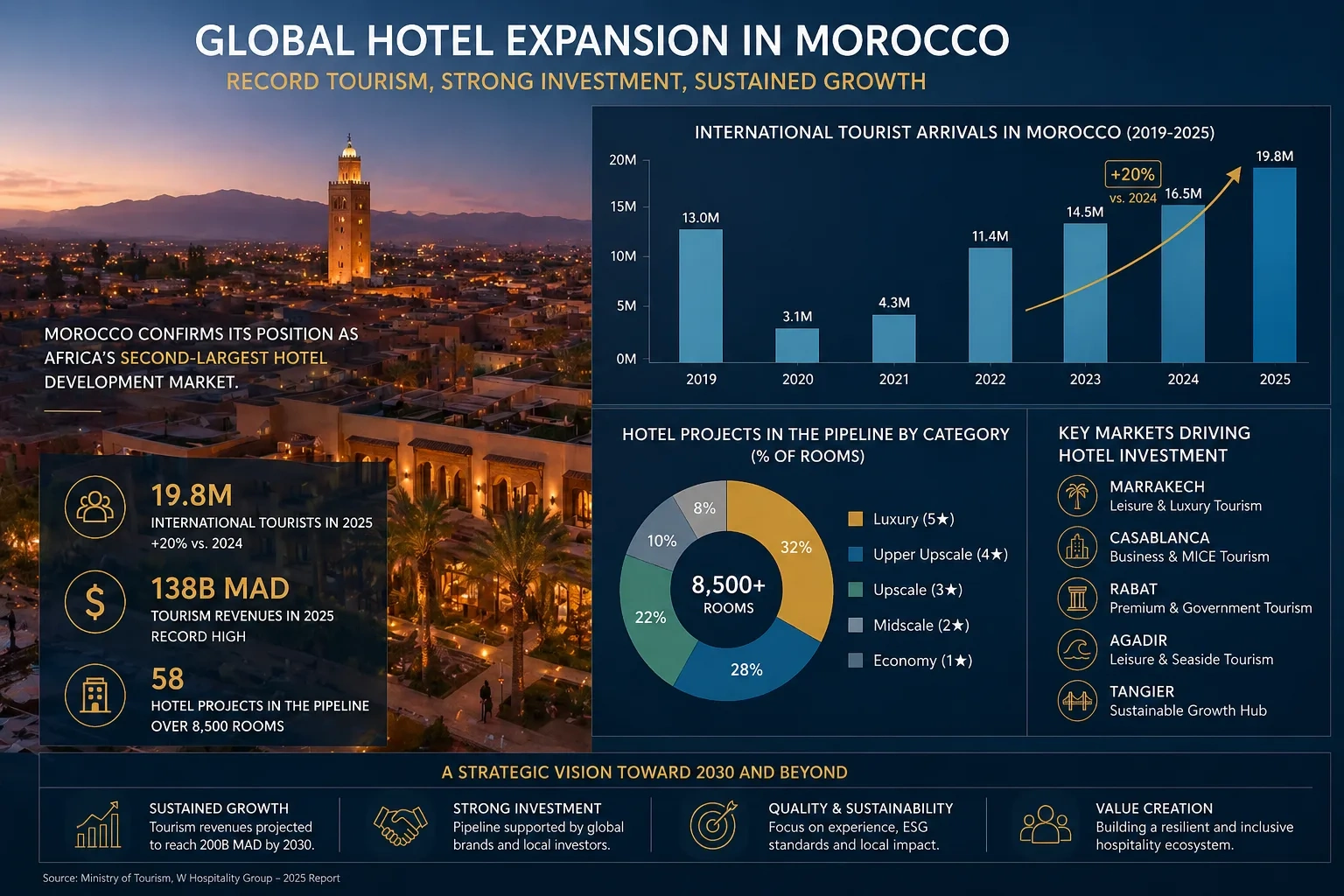
Official tourism data and international investment reporting reinforce the scale of Morocco's hotel pipeline and its growing position in global tourism.
Tourism growth and diversified demand
The expansion rests on more than a short-term recovery. Government policy, infrastructure investment, stronger air links, and national destination marketing are supporting longer-term demand. Marrakech, Casablanca, and Agadir are increasingly connected to international travel networks and attract both visitors and investors.
The principal demand segments include:
- Leisure travellers.
- Business travellers.
- High-net-worth visitors.
- Remote workers staying for longer periods.
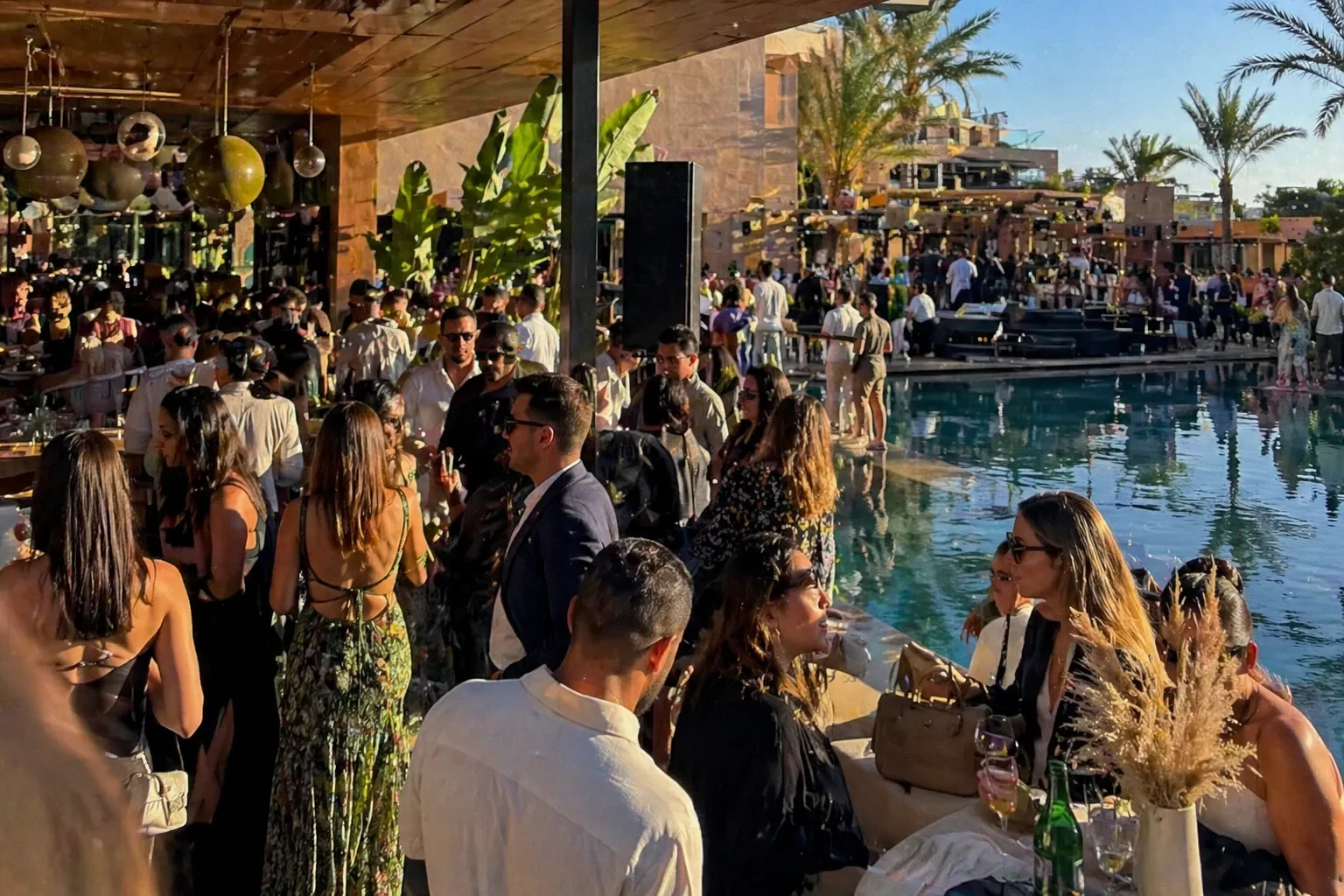
This mix can reduce exposure to seasonality and support more stable revenue, both important conditions for expanding a hotel portfolio.
International operators and the asset-light model
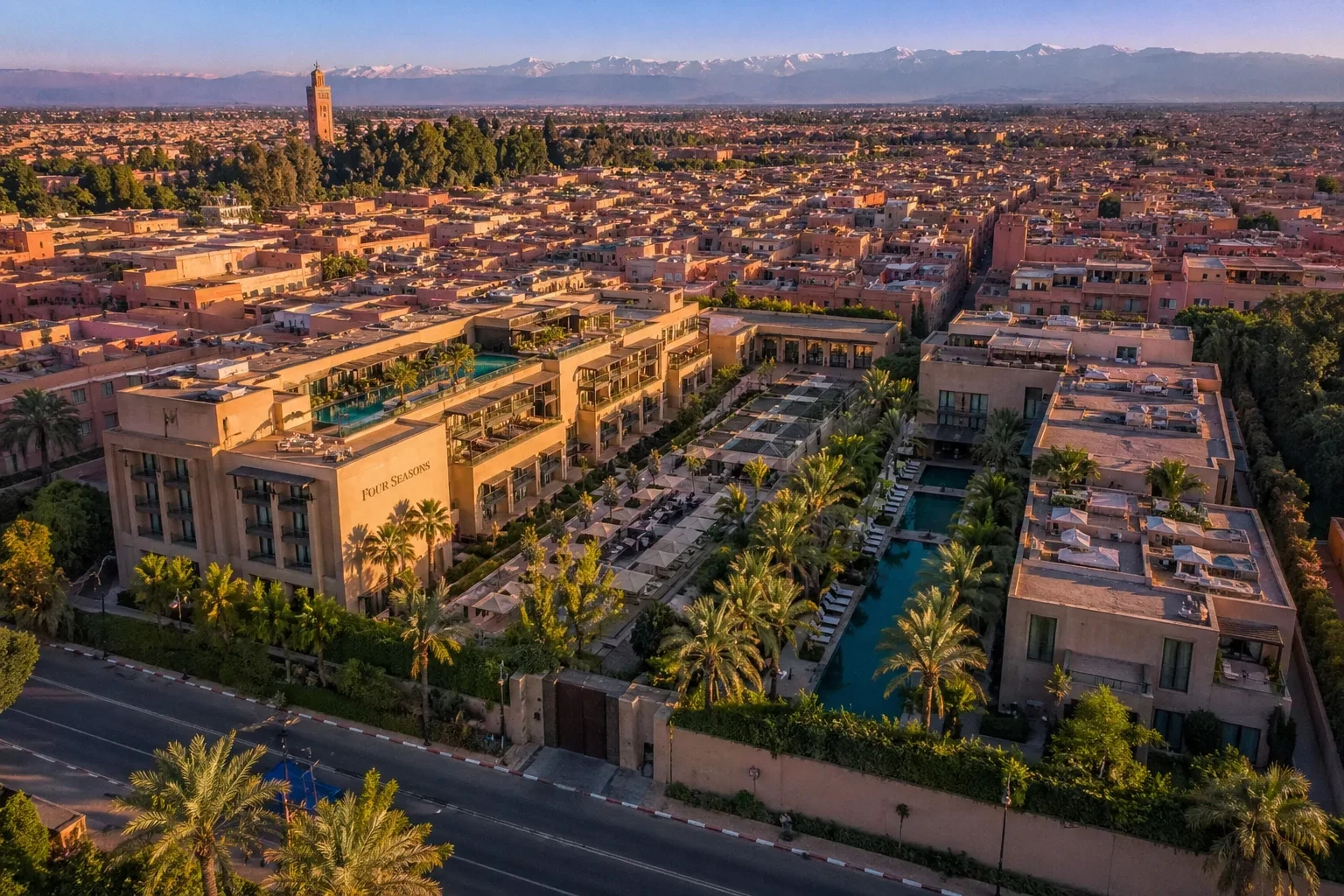
Global hotel groups are moving beyond tentative market entry and pursuing broader expansion. Management contracts and franchise agreements allow them to grow without investing heavily in the physical assets.
The typical division is straightforward:
- Local investors finance the land and construction.
- International brands manage operations, pricing, and distribution.
This asset-light model can improve operational efficiency and maintain recognised standards. It can also create an imbalance: local capital bears much of the financial risk, while the operator earns recurring management fees and brand premiums.
How hotel investment is reshaping cities
Hospitality growth is influencing urban geography as cities develop distinct market roles.
Marrakech: luxury and experiential tourism
Marrakech remains a flagship for luxury and lifestyle travel. Boutique hotels, branded residences, resorts, and immersive concepts combine the city's heritage with premium experiences.
Casablanca: business and finance
Casablanca is developing as Morocco's main business-tourism centre. Corporate trips, conferences, and international events support hotels focused on efficient service, connectivity, and consistent standards.
Rabat: institutional and diplomatic demand
Rabat serves a more selective diplomatic, governmental, and cultural market. Its hotel growth is more controlled and aligned with higher-value institutional demand.
A premium destination for modern travellers
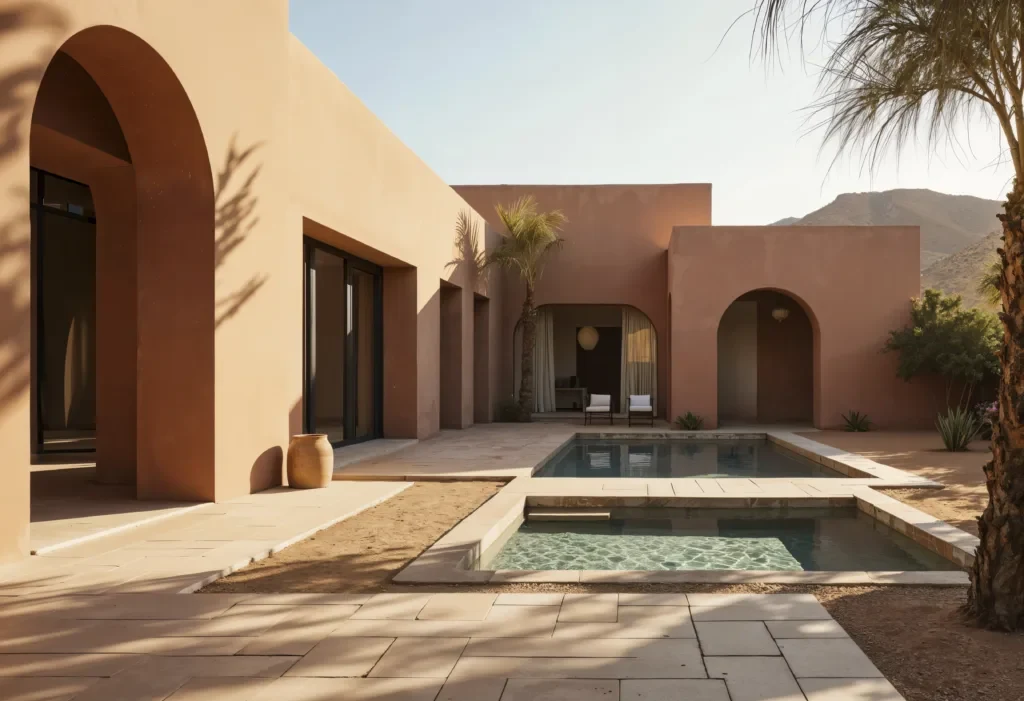
Morocco combines historic character with a growing range of luxury hotels, boutique riads, and high-end resorts. Many properties pair Moroccan design with contemporary comfort and internationally managed service.
The contrast is particularly visible in Marrakech, where a visitor can travel quickly between the historic Medina and an ultra-luxury resort. The country also offers the Atlantic coast, Atlas Mountains, and Sahara Desert within one journey. Better infrastructure and wider airline connectivity strengthen its appeal for premium and longer stays.
This growth can raise the quality of the visitor experience while preserving the authenticity that differentiates Morocco. For official destination information, consult Visit Morocco.
The 2030 catalyst
The FIFA World Cup 2030 is accelerating hotel investment, but its significance extends beyond demand during the event. It can:
- Increase Morocco's international visibility.
- Reduce perceived market risk.
- Trigger infrastructure upgrades.
- Encourage financing for larger projects.
Investors are therefore positioning assets for sustained international exposure, not only for a single tournament. This approach supports Morocco's transition from an event-driven market to a permanent tourism hub.
The balance between standards and authenticity
International brands depend on standard formats to provide consistency, efficiency, and customer confidence. Excessive standardisation, however, can make destinations feel interchangeable.
Morocco's advantage lies in its cultural depth, distinctive architecture, and craft traditions. Protecting those qualities while meeting international expectations is both a cultural responsibility and a long-term competitive necessity.
Pressure and opportunity for local operators
Domestic hotel businesses face stronger competition in distribution, brand recognition, access to international guests, and operational efficiency. Smaller operators that do not adapt may lose market share.
The same pressure creates room for differentiation. Locally run properties can compete through authenticity, personalised service, cultural immersion, and a clear niche rather than by copying multinational formats.
Local value and economic sovereignty
The asset-light model raises important questions about who controls revenue, where profit is allocated, and how much value remains in Morocco. International operators bring expertise and global reach, but durable development also requires a stronger domestic hospitality ecosystem.
Priorities include:
- Supporting Moroccan hotel brands.
- Integrating local suppliers into hotel value chains.
- Developing workforce capabilities.
- Encouraging the transfer of operational knowledge.
This balance determines whether hotel growth produces broad, sustainable development or allows too much value to leave the local economy.
Seven areas of investment opportunity
Major destinations continue to show strong, varied demand and high occupancy. International events may further increase visibility and tourism investment. Within that market, seven areas merit attention:
- Luxury hotels: Premium experiences, especially in Marrakech, can support strong margins.
- Boutique riads: Character and cultural immersion differentiate these properties.
- Branded residences: These combine real estate ownership with international hospitality standards.
- Experiential and eco-tourism: Demand is growing for personal, lower-impact travel.
- Wellness and health tourism: A focused offer can command a differentiated position.
- Remote-work accommodation: Longer stays by digital professionals create a distinct operating model.
- Hybrid ownership and management: Investors can combine property appreciation with hotel and guest-service income.
Institutional investors increasingly regard Morocco as a stable and scalable hospitality market. Hybrid strategies can be particularly relevant because they unite a real asset with professional operations and two potential sources of value.
Toward an integrated hospitality ecosystem
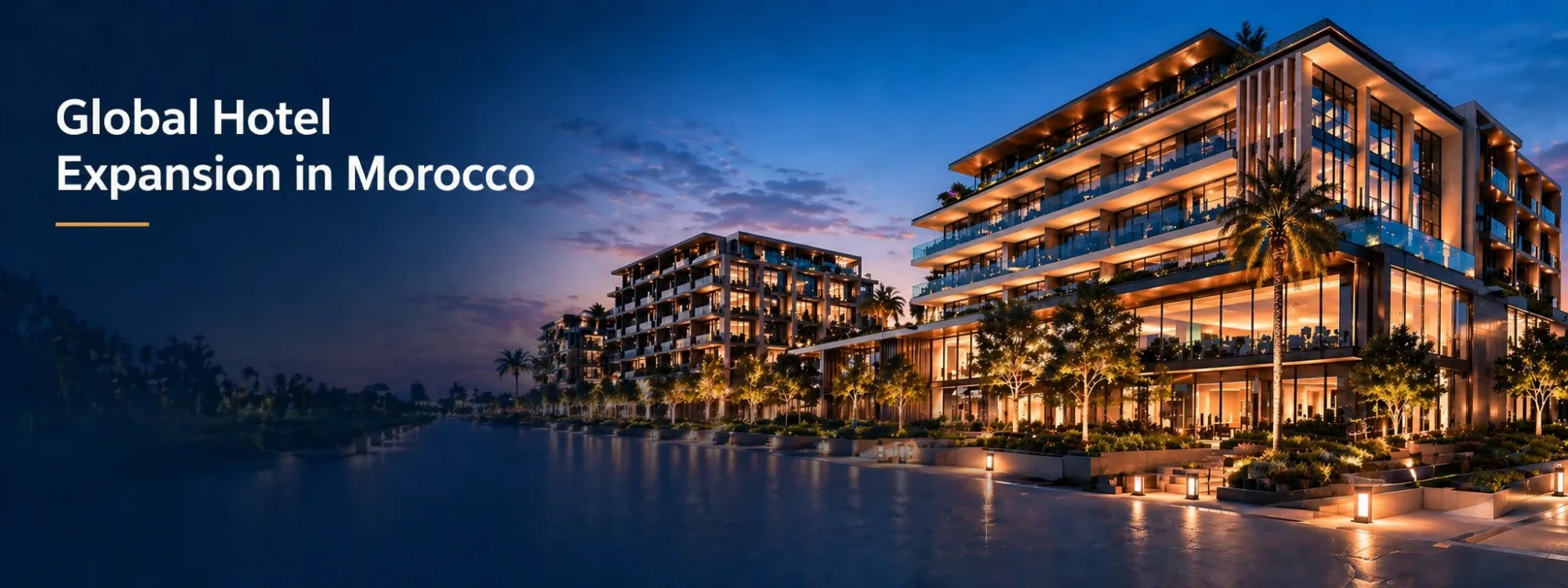
The longer-term model links hotels with transport, cultural and entertainment venues, digital services, and urban policy. Value then extends beyond room occupancy to the complete guest journey.
Technology supports this integration through data-informed decisions, dynamic pricing, and more personalised stays. The next phase will require stronger local participation, protection of cultural identity, regulation aligned with long-term goals, and continued innovation in hotel models.
Morocco can become both a leading destination and a reference point for emerging hospitality economies. Reaching that position will depend on choices about investment, urban development, cultural identity, and how value is created and retained.
Orchid Island Real Estate advises investors on market positioning and hospitality opportunities. Explore Orchid Island properties to consider where the next real estate cycle is taking shape.