Buying Property in Morocco as a European Investor: 2025 Guide
A guide for European investors covering Moroccan ownership rules, costs, finance, locations, rental strategies, and long-term risks.
Orchid Island
Editorial team
5 min read
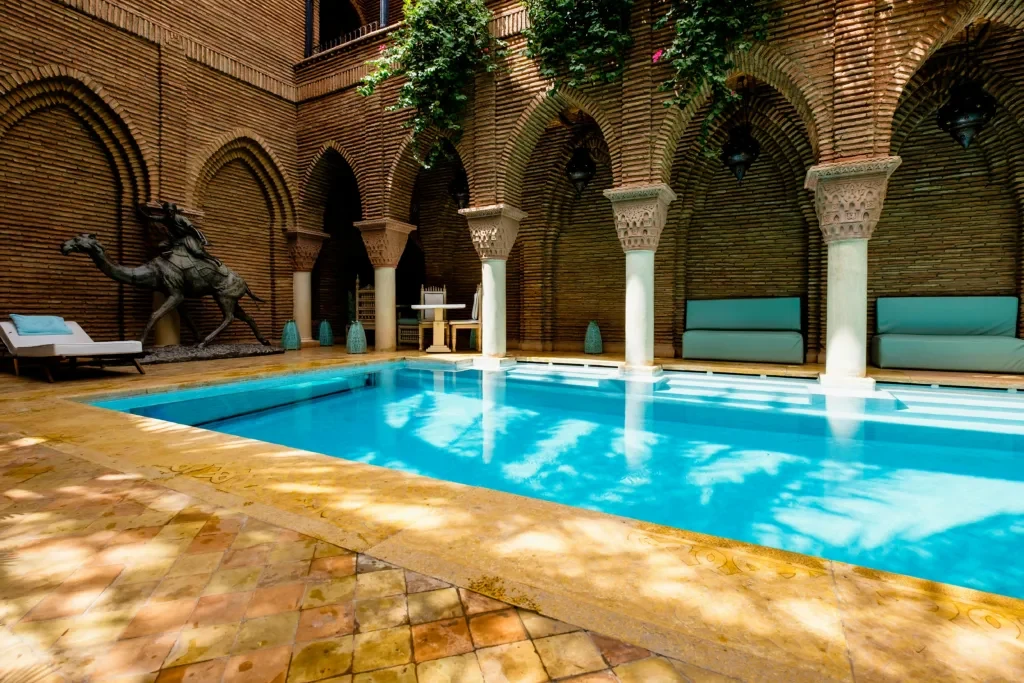
Morocco attracts European investors through comparatively affordable property, potential rental income, and the prospect of long-term growth. Its market ranges from Marrakech villas to Agadir apartments and combines a distinctive lifestyle with several investment formats.
This guide covers the legal, financial, and practical points a European buyer should examine in 2025. Every purchase still requires property-specific legal and tax advice.
Why Morocco appeals to European investors
Morocco's proximity to Europe and direct flights between Marrakech, Casablanca, and Tangier and capitals such as Paris, Madrid, and London make visits and property oversight easier. Entry prices can also be lower than in many European markets.
The source reports potential rental yields of 7–12% for well-located properties, particularly in Marrakech and Tangier. Palmeraie villas and Medina riads can benefit from short-term demand during peak tourism periods and international festivals, although actual performance depends on price, occupancy, management, and compliance.
Tourism, renewable energy, and infrastructure investment support Morocco's economy. The government encourages foreign investment and has trade agreements with the EU. Year-round sunshine, a lively culture, and a lower cost of living add a lifestyle case to the financial one.
For further detail, read the guide to tax benefits for foreign investors in Morocco.
Legal framework and purchase process
European and other foreign buyers may generally acquire Moroccan real estate for personal use or investment. Agricultural land is the main exception and is normally restricted unless special conditions are satisfied.
The process usually begins with a preliminary sale agreement and a deposit, commonly 10%. A notary must supervise the transaction, verify ownership and title, ensure taxes and fees are paid, and register the completed deed at the Land Registry.
The source cites indicative notary fees of around 1% of the price, registration fees of approximately 1.5%, and total transaction costs averaging 6–7%. A bilingual notary or independent legal adviser who understands Moroccan and EU contexts can improve communication and reduce risk.
Moroccan banks offer mortgages to foreign investors, while some Europeans finance through a bank in their home country. Cross-border arrangements are increasingly accessible, but terms, currency exposure, and security requirements must be compared carefully.
Before committing, verify legal status, title, debts, disputes, zoning, and planning permissions. Buyers with a long-term focus may also consult the guide to retirement properties in Marrakech.
Locations for different investment profiles
Marrakech
Marrakech combines luxury villas, Medina riads, and strong tourism demand. Hivernage and the Palmeraie are established premium areas, while authentic riads can attract cultural travellers. Short-term performance depends on the festival calendar, wellness travel, international events, licensing, and professional management. See the guide to managing holiday villas in Marrakech.
Casablanca
Casablanca is the country's economic centre and attracts expatriates, business travellers, and corporate tenants. Central apartments and homes near Anfa can suit investors who prefer steadier long-term income to a tourism-led seasonal strategy.
Tangier
Tangier's development, the Tanger-Med port, and its proximity to Spain support its growth case. Coastal apartments can appeal to expatriates and short-stay visitors. The city lies just 14 km from Spain across the Strait of Gibraltar, supporting cross-border access and commuting.
Agadir
Agadir attracts retirees and long-term European residents. Prices can be more accessible than in Marrakech, while year-round tourism supports demand for beachfront apartments and sea-view villas. Its family-oriented reputation is another part of the location's appeal.
Essaouira
Essaouira offers a smaller, calmer coastal market shaped by its historic Medina and craft scene. Yields may be lower than in Marrakech or Casablanca, but European retirees and cultural visitors provide a steady niche audience.
Investors seeking short-term income may prioritise Marrakech or Tangier. Casablanca and Agadir can suit longer tenancies, while Essaouira is more lifestyle-led. The right choice depends on the target guest or tenant, not the city name alone.
Financial and tax considerations
Buyers should budget beyond the purchase price for taxes, transaction charges, finance, management, maintenance, and periods without a tenant.
- Transaction costs: The source estimates around 6–7% of the property price, compared with costs that can exceed 10% in markets such as France or Spain.
- Property and rental taxes: Annual property charges are described as relatively low, with possible relief for a qualifying primary residence. Rental income is taxed progressively, while eligible maintenance, insurance, and mortgage-interest expenses may be deductible.
- Capital gains: The source states that a qualifying primary residence held for more than six years may benefit from an exemption. Otherwise, progressive taxation may apply. Verify the current rules before relying on this treatment.
- Currency and finance: The Moroccan dirham is relatively stable, but euro-based investors remain exposed to exchange-rate changes. Compare home-country euro finance with Moroccan loans for foreign buyers.
Tax treatment depends on residence, ownership structure, use, and current law. Specialist advice is essential before a purchase or sale.
Challenges and safeguards
- Legal complexity: Disputed titles, unclear ownership history, and unregistered property can create serious problems. Use a reputable notary and independent counsel.
- Language: French is widely used, but English-only buyers may need bilingual advisers for documents and negotiation.
- Tourism dependence: Short-term occupancy can change with travel conditions, global events, and local policy. Serving both tourists and longer-term expatriates may reduce volatility.
- Regulation: Authorities are tightening short-term rental rules in major destinations, including Marrakech. Registration, tax, safety, and licensing obligations must be followed.
- Remote management: Overseas ownership often requires a local manager to maintain the property and guest experience.
Professional oversight does not remove risk, but it can make the investment more resilient.
Long-term strategies
Focus on growth cities
Marrakech is well established, while Tangier and Casablanca continue to benefit from infrastructure and business investment. Buying early in a growing district may support appreciation, but only if the property and planning assumptions are sound.
Consider efficient and connected homes
Energy efficiency, solar power, and smart-home features can appeal to international tenants. The guide to sustainable real estate in Morocco examines this segment.
Serve retirement demand
Europeans choosing Morocco for affordability and lifestyle may seek comfort, access to healthcare, and a sense of community. Property designed around those needs can serve a longer-term market.
Diversify and plan the exit
A portfolio combining a Marrakech short-stay unit with a Casablanca long-term apartment can spread location and tenancy risk. Whatever the mix, maintain records of occupancy, income, expenses, amenities, and legal compliance. A documented operating history can support resale to an international buyer.
A disciplined route into the market
Morocco offers European investors a combination of relative affordability, rental potential, cultural appeal, and strategic access. Marrakech, Casablanca, Tangier, Agadir, and Essaouira each serve different audiences and strategies.
Success depends on due diligence, legal compliance, realistic operating assumptions, and a plan suited to the chosen property. Contact Orchid Island for help with selection, legal coordination, and rental-management planning.