Why Moroccan Riads Appeal to International Buyers
How architecture, privacy, cultural character, rental potential, and renovation shape international demand for Moroccan riads.
Orchid Island
Editorial team
3 min read
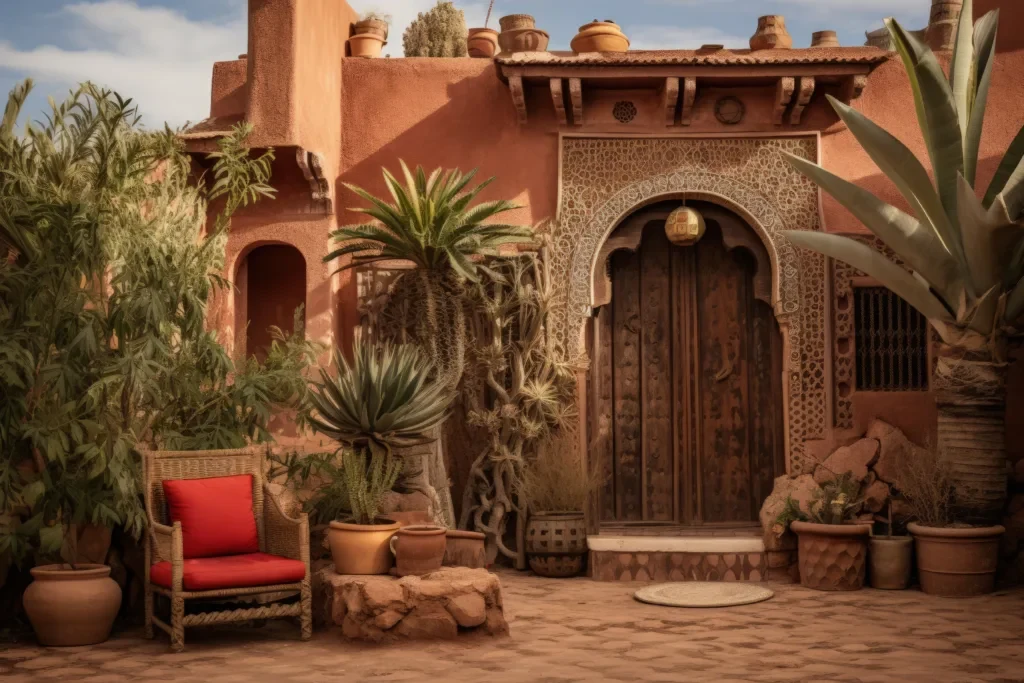
Behind the plain walls and narrow lanes of Morocco's medinas are riads organised around private courtyards. Their inward-facing design, traditional craft, and potential as homes or guest accommodation distinguish them from conventional apartments and villas.
This combination creates what may be called the riad effect: international buyers respond not only to a building, but to a sense of place, privacy, and cultural continuity. Investment potential can add to that appeal, provided the purchase, restoration, and operation are properly assessed.
What is a riad?
A riad is a traditional Moroccan house centred on an open courtyard, often with planting or a fountain. Many are centuries old and sit within protected medinas such as those of Marrakech and Fez. Marrakech's medina is included on the UNESCO World Heritage List.
Zellige, carved timber, plasterwork, tadelakt, old doors, and roof terraces give each property an individual character. Renovation can introduce modern comfort, but should respect structure, materials, ventilation, and heritage constraints.
Why overseas buyers are interested
Architecture and cultural character
Handmade surfaces and the transition from a busy lane to a quiet courtyard offer an experience that a standard modern home rarely reproduces. Buyers may value that authenticity for personal use as much as for commercial reasons.
Privacy
The inward-facing plan protects the main rooms from the street and creates a calm interior. This can suit a family residence, creative retreat, or intimate hospitality concept.
Boutique rental potential
Experiential travel has created demand for riad stays on platforms such as Airbnb and Booking.com. The source reports nightly rates from EUR100 to 700 for renovated properties, depending on size, position, service, and amenities.
That range is not a forecast for every riad. Occupancy, staffing, licences, commissions, utilities, maintenance, tax, and seasonality must be included in the business plan.
Legal access for foreign buyers
Foreign buyers can generally own non-agricultural property in Morocco, including in historic areas. A qualified notary should confirm the title, seller, boundaries, charges, and transfer procedure. Medina property can involve particular title and access issues, so assumptions should never replace document checks.
Where demand is strongest
Marrakech medina
Marrakech offers a large market of restored and unrenovated riads. Areas including Riad Laarous, Mouassine, and the Kasbah attract European, Gulf, and other international buyers.
Fez and Essaouira
Fez is known for substantial riads with detailed craft and large courtyards. Essaouira offers an Atlantic climate and a slower rhythm that can suit a second home or small guesthouse.
Possible investment uses
- A private residence or weekend home.
- A boutique hotel or guesthouse.
- A cultural venue, gallery, or creative retreat.
- A coworking or wellness concept, subject to permission.
The source notes that unrestored riads may be available below 100,000 euros and claims that some fully restored properties can multiply in value. These figures should be treated as examples, not general outcomes. Purchase price, works, permissions, design quality, operating performance, and the resale market determine the result.
Risks and practical constraints
- Restoration rules: Protected medinas can require municipal permission and traditional materials.
- Access: Some properties cannot be reached by car, affecting guests, works, deliveries, and emergencies.
- Condition: Older structures may need recurring work on roofs, drainage, timber, plaster, and services.
- Title: Ownership records and rights must be verified before any deposit or commitment.
- Operations: Hospitality requires licences, safety systems, staff, marketing, and active management.
Preparing a purchase
Work with an adviser who knows medina property, engage architects and craftspeople experienced in traditional buildings, and complete title and structural checks. If income is part of the plan, define the target guest and produce a conservative operating model early.
Riads can combine history, lifestyle, and commercial use in a way that is difficult to replicate. Their appeal is real, but value comes from a sound property, respectful restoration, lawful operation, and disciplined management.
Contact Orchid Island to discuss selected riads and the due diligence required before purchase.