How Fashion and Culture Shaped Marrakech Luxury
How Yves Saint Laurent, international events and fashion imagery helped establish Marrakech as a global destination for design and luxury travel.
Orchid Island
Editorial team
3 min read
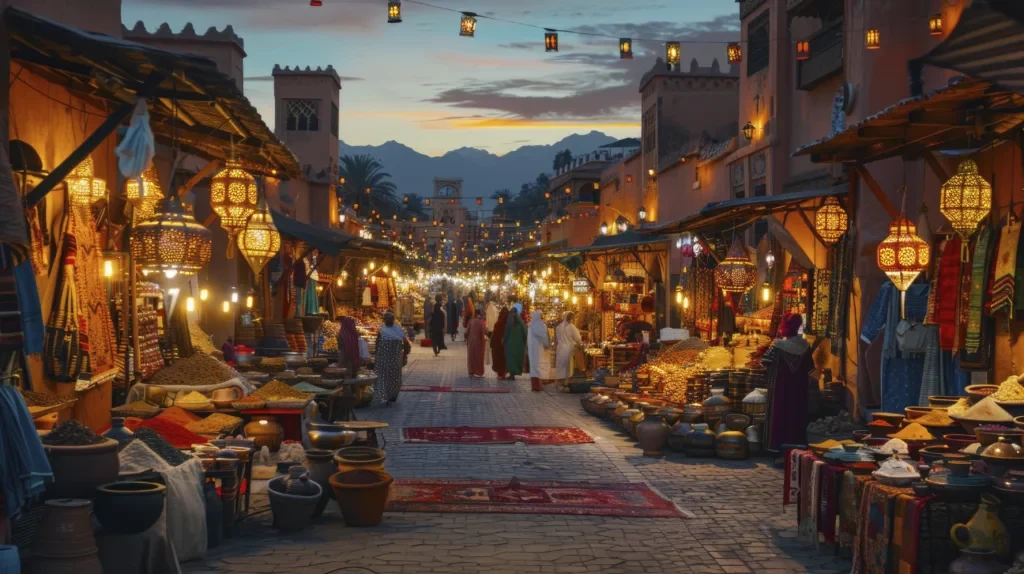
Marrakech’s international reputation rests on more than hotels and private homes. Fashion, architecture, gardens, craft and major cultural events have shaped the way visitors understand the city. That visibility has also influenced demand for restored riads, design-led villas and distinctive hospitality projects.
Celebrity attention can amplify a destination, but Marrakech’s lasting appeal comes from the work of local artisans and the city’s own architectural heritage.
Yves Saint Laurent and a Lasting Design Legacy
Yves Saint Laurent first visited Marrakech in 1966 with Pierre Bergé. Their connection to the city eventually included Villa Oasis and the preservation of Jardin Majorelle, now among Marrakech’s best-known cultural sites.
Moroccan color, landscape and decorative arts informed Saint Laurent’s creative world. The Musée Yves Saint Laurent Marrakech later gave that relationship a permanent public setting, bringing fashion audiences into contact with the city’s gardens, architecture and craft traditions.
This legacy helped position Marrakech as a serious design destination rather than a backdrop for luxury tourism alone.
Events and International Visibility
High-profile celebrations, film events and fashion productions have introduced Marrakech to wider audiences. Madonna’s birthday celebration in the region is one example of an event that generated extensive international media coverage.
Fashion editorials and campaigns associated with internationally known models, including Gigi Hadid, have also drawn on Moroccan settings and visual references. Social media extends the reach of this imagery, making courtyards, desert landscapes, gardens and rooftop terraces familiar to travelers before they arrive.
The effect is difficult to isolate in property prices, but it clearly supports demand for visually distinctive stays and experiences.
What This Means for Property and Hospitality
International exposure has encouraged several connected trends:
- careful restoration of historic riads
- greater demand for private villas with strong architecture and landscaping
- boutique hotels centered on design and local craft
- destination weddings, retreats and brand events
- renewed interest in bespoke furniture, textiles, plasterwork and zellige
The strongest projects do not imitate a generic celebrity aesthetic. They preserve proportion, materials and local identity while providing the privacy, comfort and service expected by international guests.
The Role of Local Artisans
Marrakech’s visual identity depends on specialist knowledge. Carved cedar, tadelakt, metalwork, woven textiles and hand-cut tile require experienced makers. Restoration and new construction can support these skills when artisans are treated as creative partners and their work is properly specified and paid.
For property owners, authentic craft also requires maintenance. Natural finishes age differently from industrial surfaces, and replacement work should be planned with the original technique in mind.
Visibility Is Not an Investment Strategy
Media attention can increase destination awareness, but buyers should not base a property decision on celebrity associations. Title, planning status, condition, access, operating costs and realistic rental demand remain more important.
A riad suited to a boutique hospitality concept has different requirements from a private second home. A villa marketed for events needs appropriate access, staffing, neighbor relations and licensing. Design value is strongest when it supports a clear use.
Marrakech as a Design Destination
Marrakech now occupies a distinctive position between heritage, contemporary hospitality and international fashion. Yves Saint Laurent’s legacy remains central, while new creative work continues to reinterpret the city for modern audiences.
For buyers and developers, the opportunity is to contribute to that culture with projects that are architecturally coherent, responsibly restored and professionally operated. Contact Orchid Island to discuss design-led property opportunities in Marrakech.