Investing in a Historic Palace Riad in Marrakech
Assess the architecture, location, possible uses, scarcity, and due diligence involved in buying a palace-scale riad in Marrakech.
Orchid Island
Editorial team
2 min read
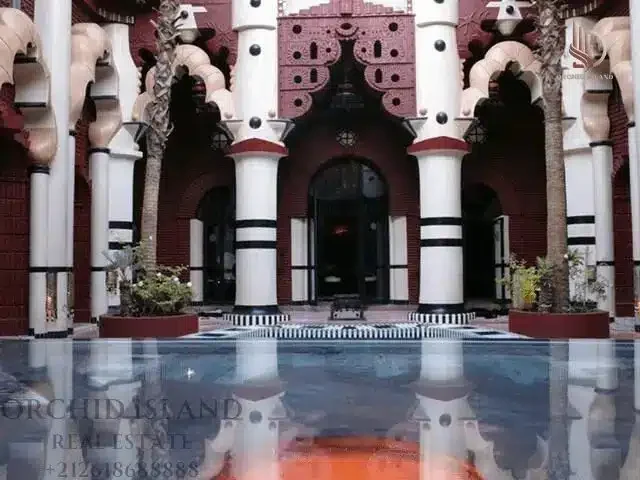
A historic palace riad in Marrakech can combine architectural importance, a central medina setting, substantial space, and several possible uses. Its value is rooted in the quality of the building, documented history, restoration, legal status, and location, not prestige alone.
Scarcity may support long-term appeal, but a large heritage property can also carry significant restoration, staffing, maintenance, safety, and operating costs.
What defines a palace riad?
The term generally describes a large traditional residence organised around one or more courtyards and restored for modern use. Typical Moroccan elements include zellige, tadelakt, carved timber, plasterwork, fountains, galleries, and roof terraces.
Some properties also display international decorative influences. The source cites Egyptian-style columns, Inca-inspired chimneys, Babylonian hanging gardens, and Southeast Asian details. Buyers should distinguish documented historical fabric from later design interpretation.
Possible uses
A palace-scale riad may serve as:
- A private residence.
- A luxury boutique hotel or guesthouse.
- A setting for cultural or private events.
- A gallery or museum concept.
Each use has different requirements for planning, licensing, access, fire safety, acoustics, staffing, insurance, and management. Commercial potential should be demonstrated through a detailed operating plan.
Location within the medina
Properties near recognised visitor routes and cultural sites may benefit from visibility and guest demand. They can also face congestion, restricted vehicle access, delivery constraints, noise, and complex building works.
The exact lane, entrance, neighbouring uses, roof overlooking, emergency access, and walking distance to a drop-off point should all be inspected.
Market appeal and scarcity
Marrakech attracts Moroccan and overseas buyers seeking distinctive heritage properties. A riad with clear title, documented restoration, generous proportions, and a strong location may be particularly scarce.
Scarcity can support resale interest, but does not guarantee appreciation. Asking prices, restoration expenditure, permitted use, operating performance, and the depth of the future buyer pool remain decisive.
Due diligence
Before purchasing, verify title, ownership, boundaries, access rights, planning, heritage conditions, licences, taxes, and any disputes. Commission structural, roof, waterproofing, drainage, electrical, plumbing, and fire-safety inspections.
Review the restoration history and determine which elements are original, repaired, or newly created. A complete budget should include specialist craft, professional fees, furnishings, staff, insurance, utilities, maintenance, and contingencies.
A heritage asset with operational demands
A palace riad can offer cultural significance, privacy, and a memorable hospitality or residential setting. It suits an investor prepared to protect the architecture and manage a complex asset over the long term.
Contact our Marrakech team to arrange a viewing and discuss the legal, technical, and commercial review of available palace riads.