Investment Returns in Marrakech’s High-End Property Market: Risk and Reward
Explore the potential returns and principal risks of investing in Marrakech’s luxury property market.
Orchid Island
Editorial team
3 min read
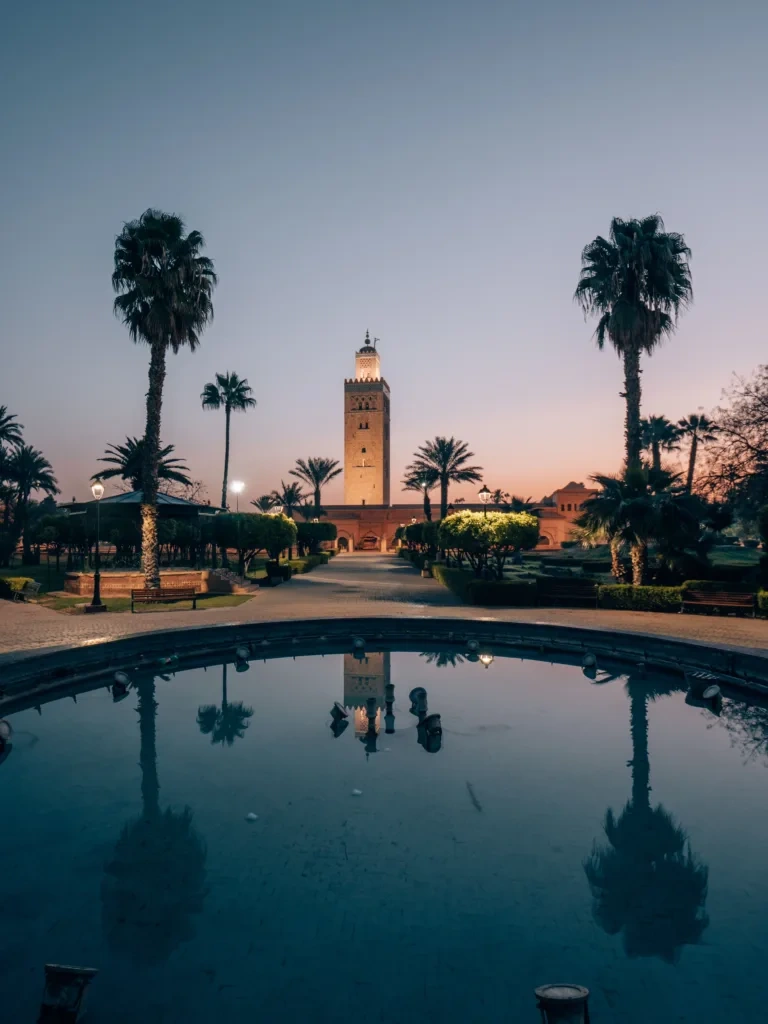
Luxury real estate in Marrakech attracts high-net-worth individuals (HNWIs) and international investors through its climate, culture and lifestyle. Morocco’s leading tourism destination offers distinctive property and a developing economy, but investors still need to assess the reliability of potential returns and the risks specific to the premium market.
Why Marrakech Attracts Luxury Property Investors
A Crossroads of Culture and Capital
Marrakech is both an international destination and a strategically located city with growing global recognition. Direct flights to major centers such as Paris, London and Dubai make it relatively easy to reach.
Political stability, property rules that welcome investors and expanding infrastructure also make an investment in Marrakech practical as well as desirable.
A Distinctive Luxury Lifestyle
Gated villas in Palmeraie, historic riads in the Medina and contemporary homes in Hivernage appeal to affluent buyers seeking privacy, character and comfort. This lifestyle is particularly attractive to investors who want geographic diversification alongside personal use of the property.
Potential Returns
Capital Appreciation
Luxury property has gained value steadily in several premium districts:
- Palmeraie: known for palm-lined villas and luxury retreats
- Hivernage and Gueliz: modern districts with high-quality apartments
- Medina, a UNESCO World Heritage site: historic riads with potential for hospitality use
Depending on location, renovation quality and demand, luxury properties have produced average capital gains of 5% to 9% per year.
Rental Yield as a Second Income Stream
Luxury homes operated as short-term vacation rentals or boutique guesthouses can produce rental yields of 4% to 7%. Peak periods such as New Year and the spring holidays can generate substantial revenue.
Properties with authentic Moroccan architecture and premium amenities generally command higher nightly rates and longer stays.
Principal Risks
Market Volatility and Liquidity
Although Marrakech is attractive, luxury property is less liquid than the middle-market segment. Finding the right buyer may take several months, particularly during periods of economic uncertainty.
The market can also be sensitive to:
- International travel restrictions
- Currency fluctuations
- Political developments
Legal and Regulatory Requirements
Foreigners can buy property in Morocco, but legal complications may arise when a transaction is not managed correctly. Experienced local lawyers and notaries should verify title, document the sale and confirm regulatory compliance.
Tax Considerations
Rental income is taxed under Moroccan law. Morocco has double-taxation treaties with several countries, but an investor must still account for rental income tax, property tax and capital gains tax when calculating net returns.
Leading Marrakech Neighborhoods for Investment
Palmeraie: Privacy and Prestige
Palmeraie suits buyers seeking tranquility, privacy and an exclusive setting. Prices are high, but so is the district’s standing in the luxury market.
Hivernage: Urban Sophistication
Close to the city center, Hivernage combines convenient access to landmarks with premium developments. It suits investors seeking luxury apartments or serviced residences.
Medina: Heritage and Tourism Demand
Renovated riads in the Medina serve as private retreats, short-term rentals and boutique hospitality assets. Demand remains strong because millions of visitors come to Marrakech each year.
Who May Benefit from This Investment?
Marrakech luxury property may suit several investor profiles:
- HNWIs diversifying their real estate portfolios
- Moroccans living abroad seeking premium assets in their home country
- European retirees and lifestyle investors seeking personal use with income potential
- Boutique hotel operators responding to Marrakech’s tourism growth
How to Improve Returns and Limit Risk
Complete Thorough Due Diligence
Visit the property, verify its documents and determine whether it requires renovation. A beautiful riad can conceal structural defects when it is not professionally inspected.
Work with Local Specialists
Engage experienced architects, agents, lawyers and notaries in Marrakech. Their local knowledge can prevent costly mistakes and delays.
Evaluate Renovation Potential
Careful renovation can substantially increase the value of a luxury property. Look for sound structures and consider environmentally responsible upgrades that appeal to sustainability-conscious guests.
Marrakech Compared with Other Luxury Markets
Dubai and Lisbon are established luxury property destinations, while Marrakech offers:
- Lower entry prices
- Stronger potential for long-term capital appreciation
- Distinctive cultural and lifestyle appeal
It remains an emerging luxury market with significant untapped potential.
Conclusion
Investment in Marrakech can be worthwhile when supported by rigorous due diligence. Capital growth, rental income and lifestyle benefits can be substantial, but the market also presents specific liquidity, legal and tax challenges. Responsible market analysis and reputable professional support improve the prospects for strong long-term returns.
If you are considering a luxury property investment in Marrakech, contact trusted local specialists, arrange legal advice and inspect appropriate listings in person.