Japan-Morocco Investment: A New Era of Economic Cooperation
How Japanese investment in Moroccan industry, energy, trade, fisheries, and infrastructure may support wider property-market opportunities.
Orchid Island
Editorial team
3 min read
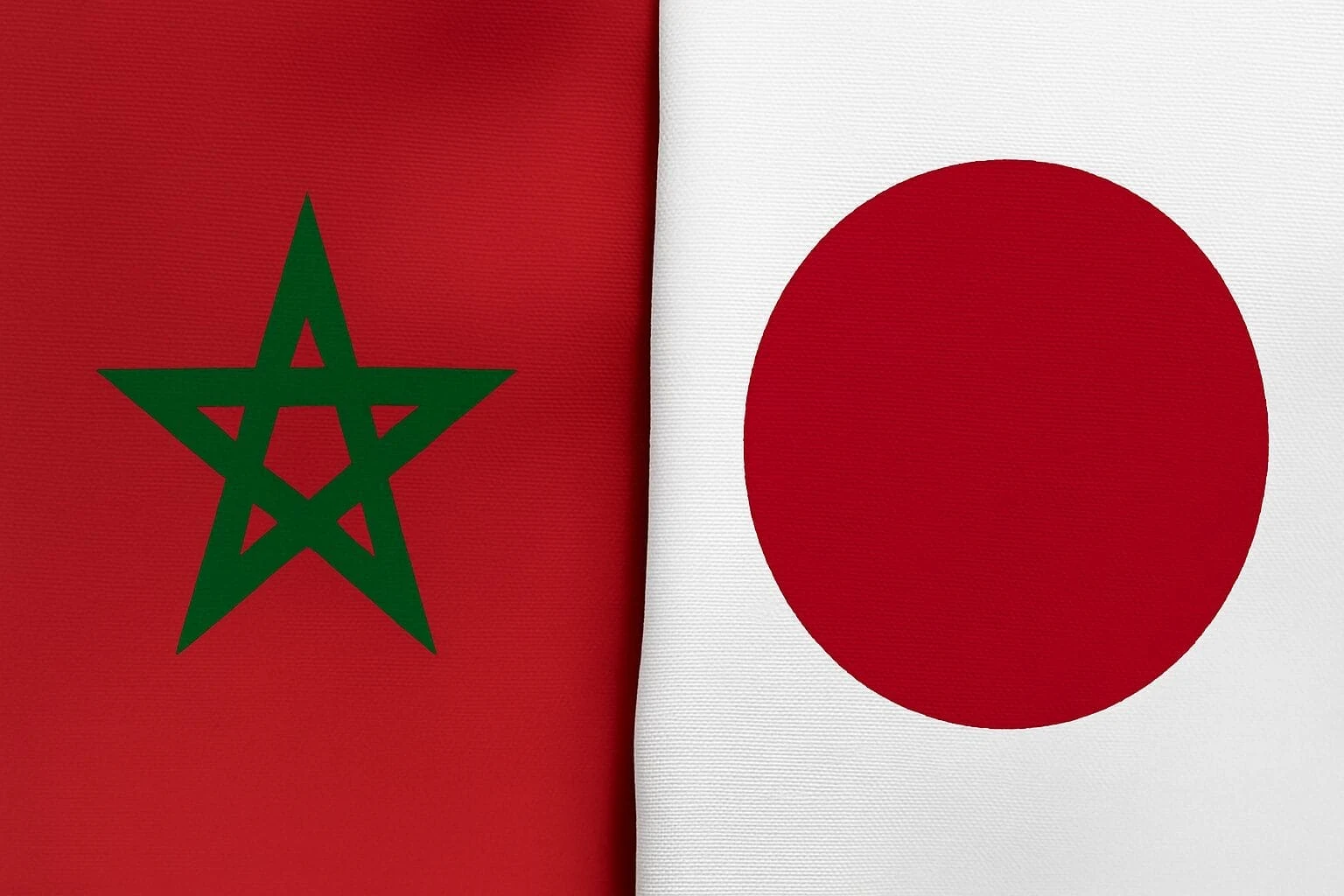
Economic relations between Japan and Morocco encompass trade, industrial investment, and cooperation on sustainable development. This broader activity matters to property investors because employment, infrastructure, expatriate demand, and tourism all shape real estate markets in Marrakech and other major cities.
Principal sectors of cooperation
The source describes Japan as Morocco's largest foreign direct investor and private employer, with more than 75 Japanese companies operating in the Kingdom and collectively employing over 50,000 people.
- Automotive manufacturing: Sumitomo, Yazaki, and Fujikura manufacture wiring harnesses and automotive components. The source attributes around 30,000 jobs to these companies.
- Renewable energy: Mitsubishi Power and Sumitomo Electric Industries, Ltd support solar, wind, and wider renewable-energy development.
- Aerospace and advanced manufacturing: Kansai Aerospace Technologies Co. and Mitsubishi Heavy Industries, or MHI, contribute to component production and technology transfer.
- Agribusiness and fertilisers: Japan obtains 20% of its fertiliser imports from Morocco. Since 2018, Mitsui & Co., Ltd. has invested over $60 million in Moroccan poultry company Zalar Holding.
- Banking and finance: Partnerships such as Mizuho Bank and Attijariwafa Bank facilitate investment and help Japanese companies expand across Africa.
- Fisheries: Dakhla and Larache are important centres for octopus and tuna. The source says the industry supports over 40,000 families and produced a €30 million surplus in Dakhla alone in 2024. Matsuoka Co. buys Moroccan seafood and participates in technology transfer and joint ventures intended to improve export quality and supply-chain efficiency.
Approximate distribution of Japanese companies by sector
| Sector | Approximate share of Japanese companies | Companies and notes |
|---|---|---|
| Automotive | 70%–75% | Sumitomo Wiring Systems, Yazaki, Fujikura, Denso |
| Renewable energy | Emerging, 5–10% | Sumitomo Electric, Mitsui & Co., Mitsubishi Power |
| Aerospace and manufacturing | Growing, 5–10% | Kansai Aerospace Technologies, Mitsubishi Heavy Industries |
| Agribusiness and fertilisers | Moderate, 5% | Mitsui, Zalar Holding, fertiliser trade |
| Telecommunications and IT | Small but growing | NTT Data |
| Maritime and shipping | Small but growing | Ocean Network Express joint ventures |
Trade and investment indicators
- In 2023, Japanese exports to Morocco totalled $461 million, led by insulated wire, cars, and delivery vehicles.
- Moroccan exports to Japan reached $310 million, principally processed crustaceans, fish fillets, and fertilisers.
- Japanese direct investment in Morocco reached 37.5 billion dirhams in 2021, making Japan the Kingdom's fifth-largest investor.
- The number of Japanese companies in Morocco nearly doubled over the preceding three years, indicating growing confidence in stability and market potential.
Connections with the property market
Infrastructure spending on roads, airports, and public transport improves access and supports urban development. Tourism underpins demand for Marrakech luxury homes, holiday property, and hospitality assets.
Direct Japanese investment in real estate is less prominent than investment in manufacturing or energy. Even so, Japanese companies and expatriates can create demand for quality homes and commercial space, while infrastructure and urban-development projects support property indirectly.
The source projects that Morocco's real estate sector will reach $1.71 trillion in 2025, with the residential segment accounting for $1.53 trillion. It links demand in Marrakech, Casablanca, and Rabat to urbanisation, infrastructure, foreign investment, government incentives, economic stability, and new financing options.
Future opportunities
The Morocco Now initiative promotes the country to foreign investors, including companies considering residential development, tourism infrastructure, and industrial zones. Continued modernisation may create further openings for Japanese and other international participants.
Luxury property in Marrakech attracts domestic and international buyers, while new neighbourhoods and sustainable projects broaden the market. The source expects moderate price growth supported by these fundamentals, although any investor should verify projections independently.
Explore luxury properties in Marrakech to consider how wider Japan-Morocco cooperation may connect with a property strategy.