Moroccan Artisan Interiors in Luxury Homes
A guide to commissioning zellige, tadelakt, carved wood, metalwork, textiles, and bespoke furniture for durable, authentic, and well-integrated luxury interiors.
Orchid Island
Editorial team
3 min read
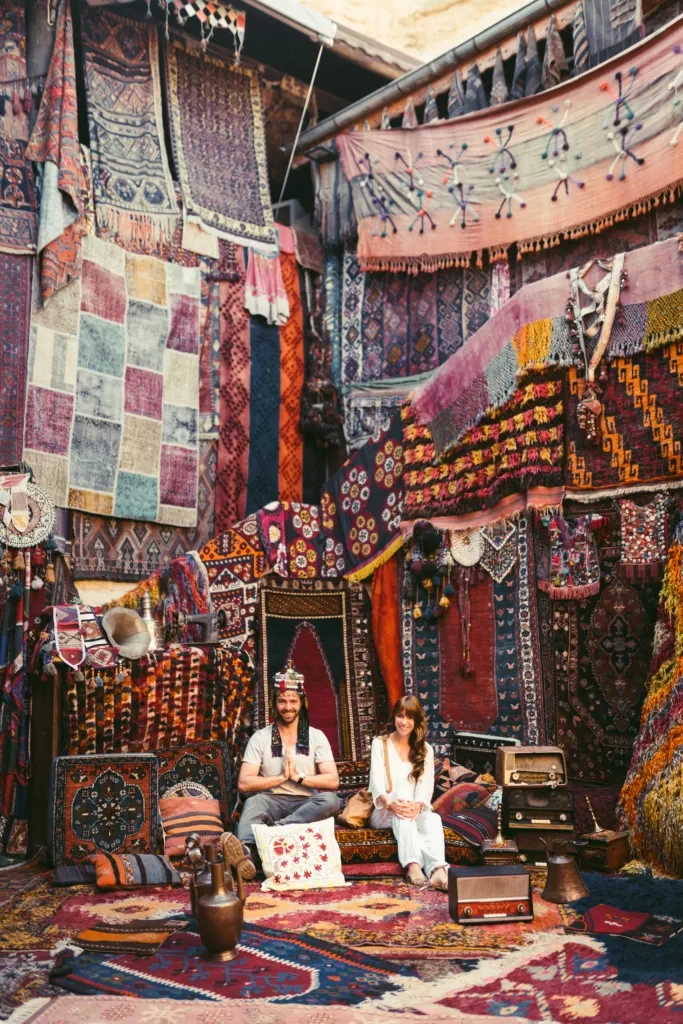
Handcrafted Moroccan materials can give a luxury home a strong sense of place. Zellige, tadelakt, carved cedar, plasterwork, metal lighting, rugs, and woven textiles carry the knowledge of specialized makers and can perform architectural as well as decorative roles.
Their value depends on thoughtful design, appropriate specification, fair commissioning, and skilled installation. Adding craft indiscriminately can make a property feel themed, while a few well-resolved elements can create lasting identity.
Choose Craft for the Architecture
Begin with the room's purpose, proportions, light, climate, and maintenance. A zellige floor, tadelakt bathroom, carved screen, or woven ceiling should solve a spatial or material need rather than be selected only for photographs.
The architect, interior designer, contractor, and artisan need coordinated drawings and samples. Junctions with waterproofing, doors, lighting, structure, and modern services should be resolved before work begins.
Understand the Main Materials
Zellige
Hand-cut glazed tile creates subtle variation in color, surface, and joint. It can be used on floors, walls, fountains, and fitted furniture. The substrate, wet-area detailing, slip resistance, and cleaning method need to match the application.
Tadelakt
Traditional polished lime plaster can form a continuous, softly reflective surface. Successful installation depends on substrate preparation, skilled application, curing, and appropriate maintenance, especially in showers and other wet areas.
Cedar and Carved Wood
Doors, ceilings, screens, and furniture can be made or restored by specialist woodworkers. Timber movement, pests, humidity, finish, and access for future repair should be considered.
Metalwork and Lighting
Brass, copper, and wrought metal can provide screens, rails, tables, and lighting. Electrical components must meet the relevant safety standards, and decorative perforation should be designed for the intended light effect.
Textiles and Rugs
Rugs, cushions, curtains, and upholstery add acoustic softness, warmth, and color. Buyers should ask about fiber, dye, origin, cleaning, and the conditions under which the work was produced.
Commission Bespoke Work Clearly
A sound commission documents:
- Dimensions, pattern, material, and finish
- Approved samples or a prototype
- Price, deposit, milestones, and delivery
- Who supplies the substrate and installation
- Acceptable handmade variation
- Repair, replacement, and care instructions
This protects the client and maker while reducing misunderstandings between design intent and site conditions.
Avoid False Claims of Authenticity
Mass-produced tile, printed textiles, and imported decorative objects may have a place in a budget, but they should not be marketed as locally handmade. Traceability matters to buyers who value cultural and material integrity.
Where possible, record the workshop, maker, region, material, and technique. UNESCO's information on Morocco's intangible cultural heritage provides wider context, although individual provenance must be documented separately.
Sustainability Requires Evidence
Local materials and repairable craft can reduce transport and support long product life. Handmade does not automatically mean environmentally responsible. Material sourcing, water, energy, finishes, waste, worker conditions, durability, and maintenance all matter.
The most sustainable feature is often one that is well made, appropriately used, cared for, and repairable rather than replaced when trends change.
How Craft Can Support Property Value
Integrated artisan work can differentiate a villa, riad, or boutique hospitality property. It may support buyer appeal when the craftsmanship is authentic, the design is coherent, and the building remains functional and well documented.
Craft does not guarantee a price premium. Poor installation, impractical surfaces, visual excess, or undocumented alterations can reduce value. Investment should be evaluated alongside location, legal status, construction quality, layout, and market demand.
Present the Work Accurately
Property marketing should show overall rooms as well as material detail. Captions can identify the artisan, process, and material where permission has been obtained. Avoid describing every Moroccan-inspired surface as heritage craftsmanship.
Maintenance records, material schedules, and maker contacts can reassure a future owner that specialist elements are understood and repairable.
Lasting Quality Comes from Collaboration
Moroccan artisan interiors are strongest when makers participate early and their work is integrated into the architecture. Clear commissioning, proper credit, technical coordination, and long-term care allow craft to contribute beauty, function, and cultural depth.
Contact Orchid Island to explore Marrakech properties in which traditional craftsmanship is documented and thoughtfully incorporated.