Morocco as an Investment Destination: 7 Strategic Advantages
Explore seven factors strengthening Morocco's investment case, from stability and connectivity to tourism, real estate, industry, and Marrakech's global appeal.
Orchid Island
Editorial team
4 min read
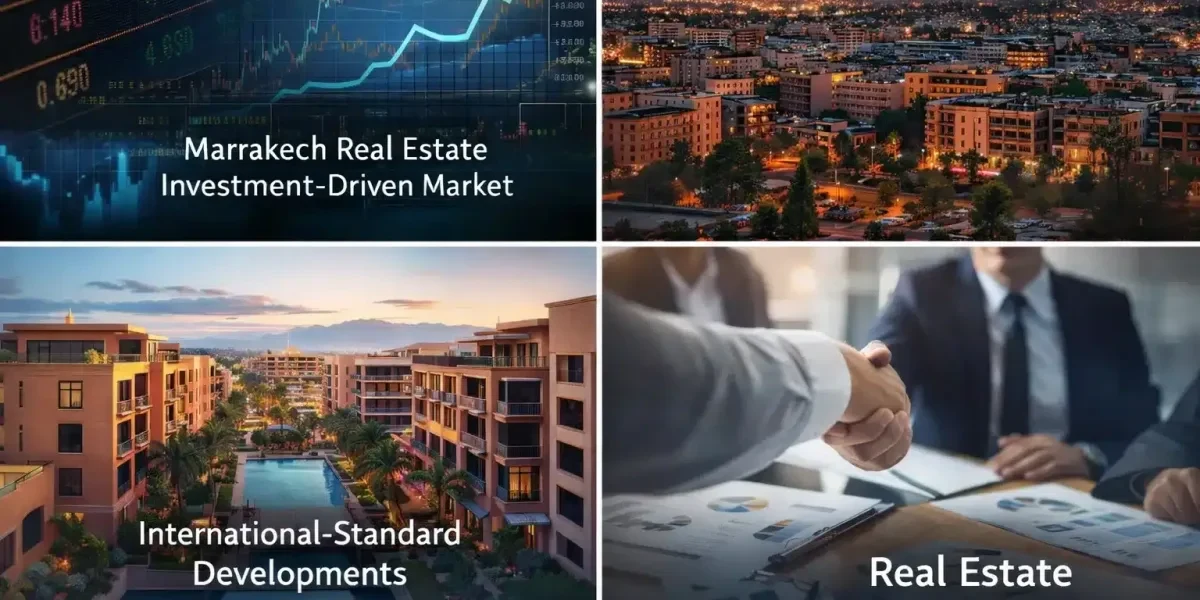
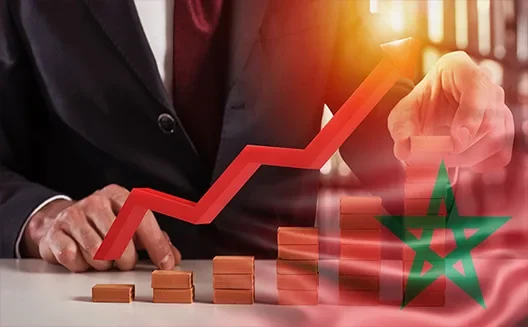
Morocco is moving from a relatively quiet contender to an established destination for international investment. As inflation, supply-chain disruption, geopolitical uncertainty, and changing alliances reshape capital allocation, investors are placing greater value on resilience and long-term visibility.
The country's case rests on the interaction of several strengths: institutional continuity, economic reform, geographic access, modern infrastructure, tourism, real estate, and industrial and digital expansion. Further information on the national investment framework is available from the Ministry of Investment, Convergence and Evaluation of Public Policies.
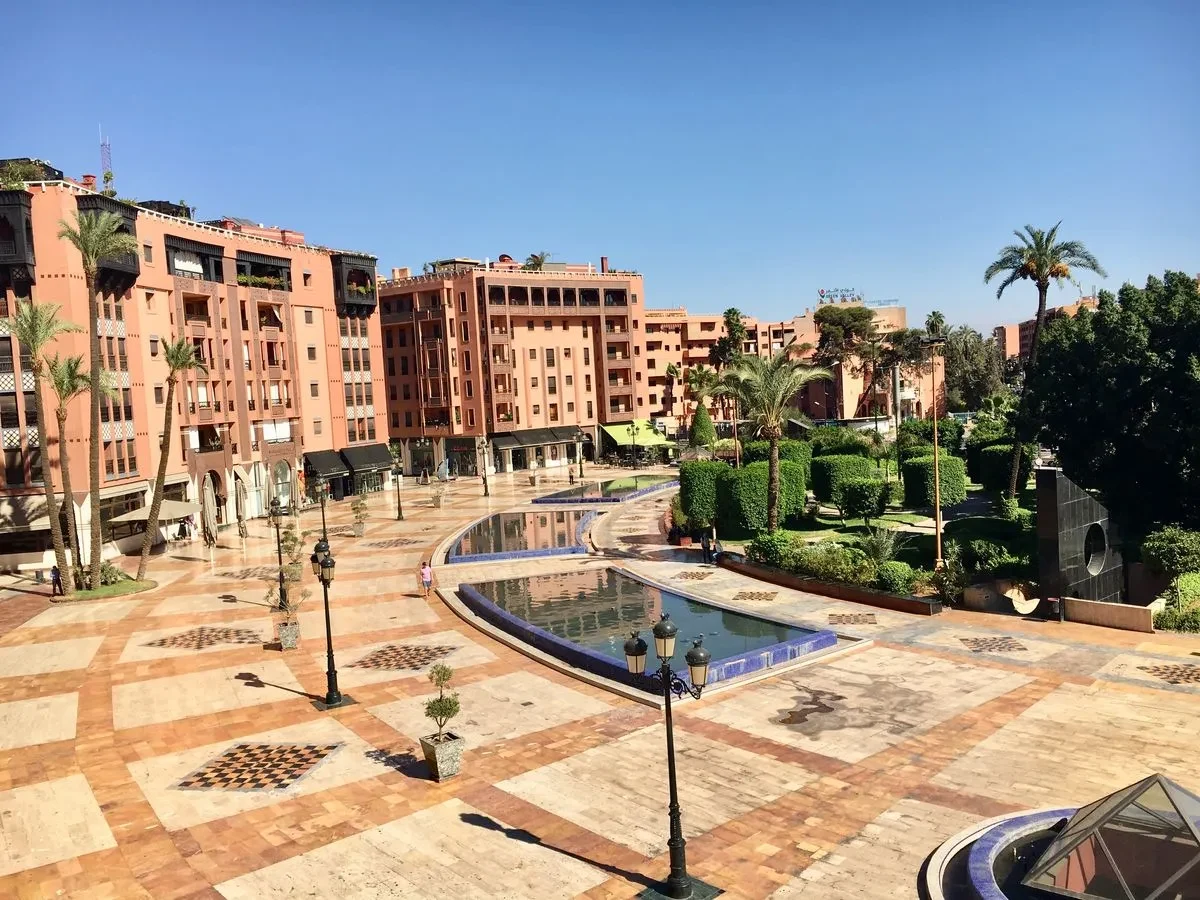
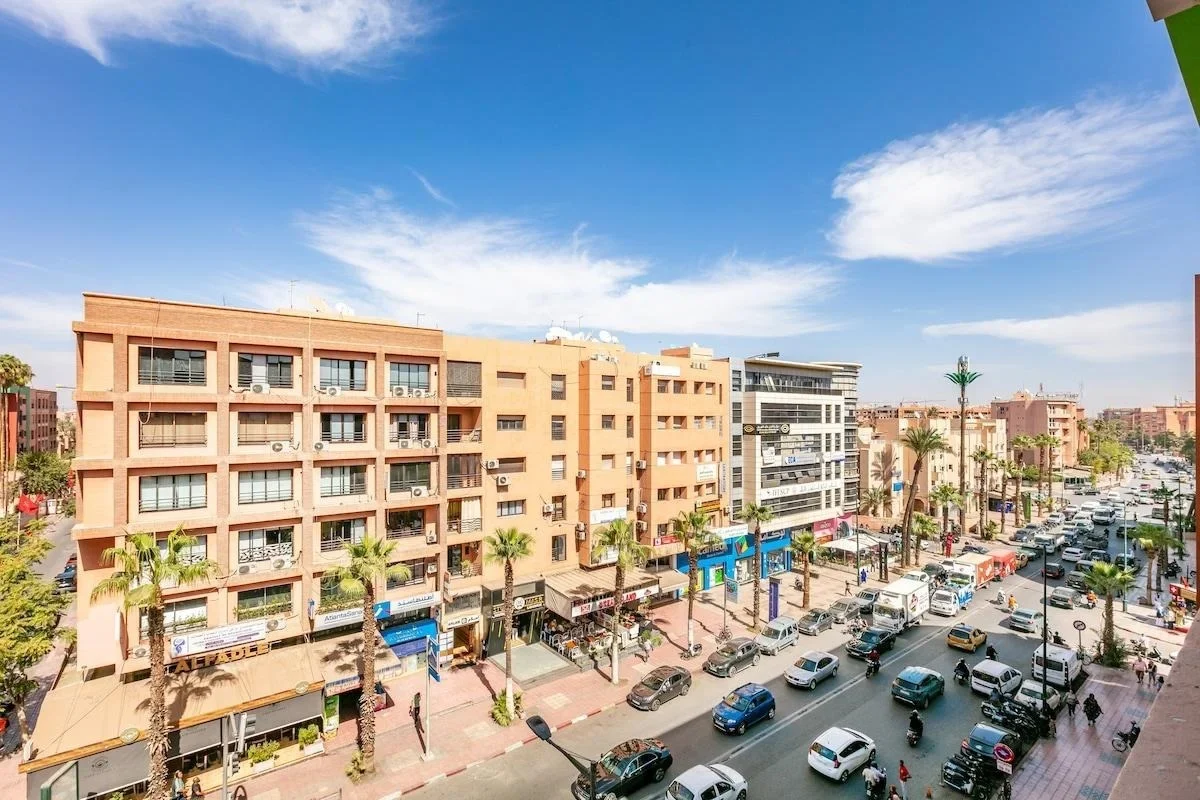
Marrakech has an important role in this wider transformation. The city remains a cultural and tourism center, but it is also becoming a base for longer stays, business, events, technology forums, and international property investment.
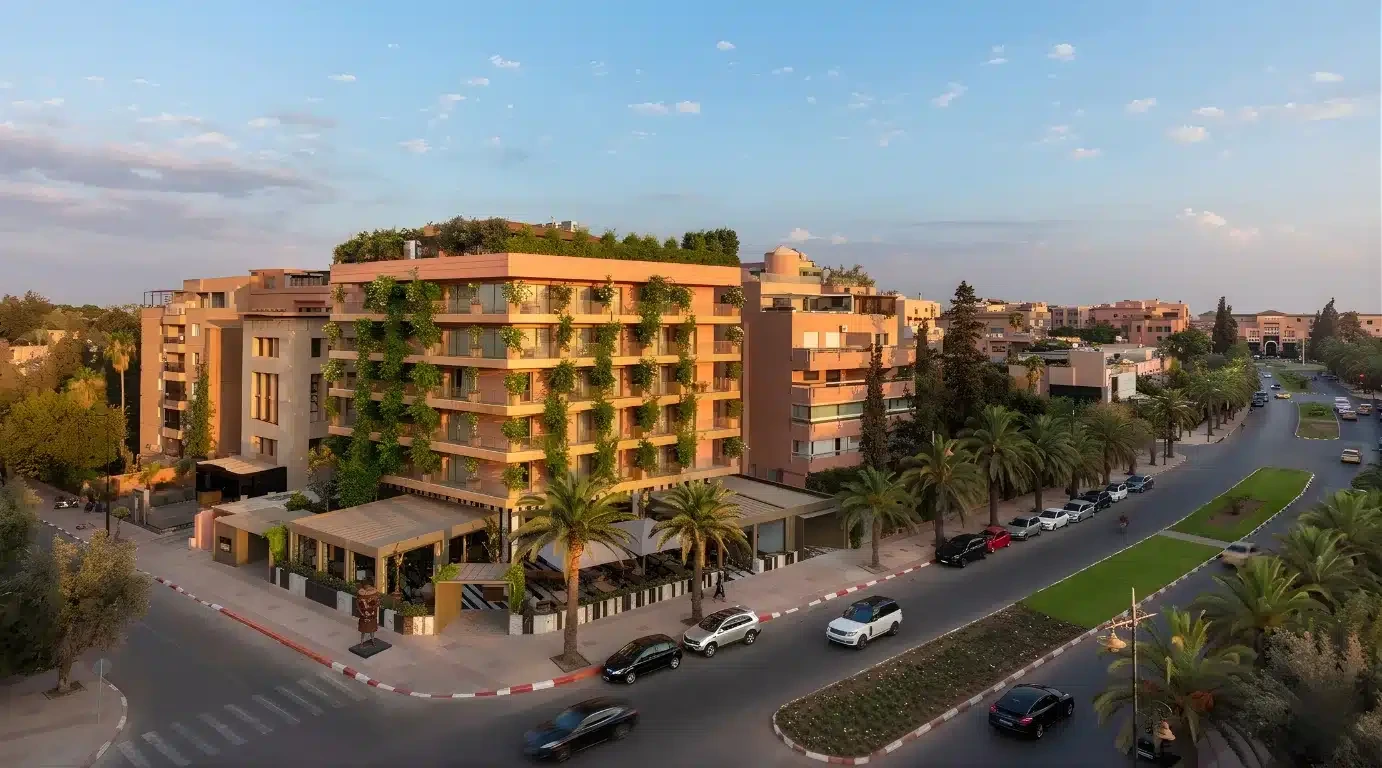
1. Institutional stability
In a volatile global economy, predictable institutions and a consistent policy direction are strategic assets. Morocco's ongoing reforms and clear economic ambitions give domestic and international investors a basis for longer-term planning.
Stability does not eliminate market or regulatory risk. It can, however, reduce uncertainty and make it easier to assess projects, finance operations, and build a regional strategy.
Morocco's progress has been cumulative rather than sudden. That continuity has strengthened its credibility without depending on a single trend or investment cycle.
2. Geography and connectivity
Morocco connects Europe, Africa, the Middle East, and Atlantic trade routes. European businesses exploring nearshoring can use the country as a production, service, or logistics base closer to their principal markets.
Ports, airports, railways, roads, and expanding air routes turn geographic proximity into operational access. Goods, professionals, and visitors can move through an increasingly connected national and international network.
This position allows investors not only to enter the Moroccan market but also to participate in trade and business flows spanning several regions.
3. Resilient tourism demand
Tourism illustrates Morocco's growing international reach. Early figures for the first quarter of 2026 exceeded four million visitors, while nearly twenty million international tourists visited during 2025.
The audience is also becoming more diverse. Leisure travelers are joined by business visitors, remote professionals, digital nomads, and affluent residents making longer stays.
Marrakech remains central to this development through its heritage, luxury hospitality, events, and premium-property market. More consistent activity across the year can support occupancy, rental demand, hospitality revenue, and property values, although each asset still depends on location and management.
4. Marrakech as a property ecosystem
Marrakech now serves tourists, entrepreneurs, executives, remote workers, and international residents. That mix produces demand beyond short peak-season visits and makes the property market more diverse.
Compared with mature markets such as London, Paris, or Dubai, entry prices can remain relatively accessible while infrastructure and global visibility continue to improve. Investors may seek both current rental income and longer-term appreciation.
Property can also serve several purposes over time:
- Recurring rental income supported by tourism and longer stays
- Capital value linked to infrastructure, supply, and market maturity
- Flexibility between personal use, rental operation, and future resale
These outcomes are not guaranteed. Purchase price, legal status, service quality, operating cost, demand, and exit liquidity all require individual analysis.
Visit Morocco provides broader information about the country's destinations and tourism offer.
5. Digital and industrial expansion
Morocco's investment case extends beyond tourism and property. Renewable energy, fiber networks, industrial zones, data centers, and advanced technology support a more diversified economy.
Artificial intelligence and cloud computing are increasing demand for modern digital infrastructure. Morocco combines proximity to major markets with competitive energy resources and a growing technical ecosystem.
Traditional sectors can therefore coexist with new industries. That diversification may reduce dependence on a single source of growth and create opportunities across technology, logistics, energy, manufacturing, and professional services.
6. Strategic milestones and international capital
Infrastructure upgrades are increasing capacity across major cities. International conferences, cultural programs, sporting events, and technology gatherings are also raising Morocco's profile among visitors and investors.
At the same time, integration with global trade networks reinforces the country's position as a regional operating base. Stability supports growth, infrastructure improves access, and lifestyle demand strengthens real estate and hospitality.
This coherence helps explain why global capital is moving toward Morocco as investors look beyond saturated or unstable markets. The country can still appear underpriced relative to its potential, but that gap should be tested through disciplined valuation rather than assumed.
7. Marrakech as both lifestyle destination and strategic asset
Investors increasingly consider quality of life alongside financial performance. Marrakech combines cultural depth, hospitality, climate, international access, and a property market connected to Morocco's wider economic strategy.
That combination can make the city both a personal base and an income-producing asset. It allows some buyers to align lifestyle objectives with capital preservation and investment, while retaining flexibility for rental or resale.
High-potential opportunities do not always reach public listings. In Marrakech, some assets circulate through professional networks, making local access, timing, verification, and trusted execution particularly important.
From emerging contender to strategic reality
Morocco's rise reflects sustained reform and a long-term investment vision rather than a short-lived wave of attention. Its strengths are increasingly visible to investors seeking clarity, resilience, connectivity, and room for growth.
Marrakech acts as a gateway into that transformation. A successful investment still depends on selecting the right property, sector, structure, and time horizon, then completing legal, financial, technical, and market due diligence.
Explore Orchid Island properties to review selected opportunities in Marrakech and the wider Moroccan market.