Beyond Marrakech: Morocco's Private Mountain and Desert Retreats
Explore off-grid luxury in Morocco through secluded mountain and desert retreats shaped by design, privacy, sustainability, and investment potential.
Orchid Island
Editorial team
4 min read
A private lodge in the Atlas Mountains or a desert retreat beneath Saharan skies offers a very different experience from central Marrakech. Off-grid luxury in Morocco combines seclusion, thoughtful design, self-sufficient infrastructure, and high levels of service.
These properties appeal to affluent owners and travelers who value privacy and immersion in nature. They may also create a specialized investment opportunity when access, permits, operations, and environmental constraints are handled professionally.
Why remote luxury appeals to high-end buyers
Privacy and separation
Some retreats are many kilometers from their nearest neighbors and can be reached only by 4x4 vehicle, helicopter, or a long scenic drive. Seclusion is not an added amenity in these locations; it is fundamental to the experience.
Immersion in nature
Birdsong in the Atlas, mint tea beside the dunes, clear night skies, silence, and uninterrupted landscapes create a strong sense of place that a conventional resort may not provide.
Sustainable design
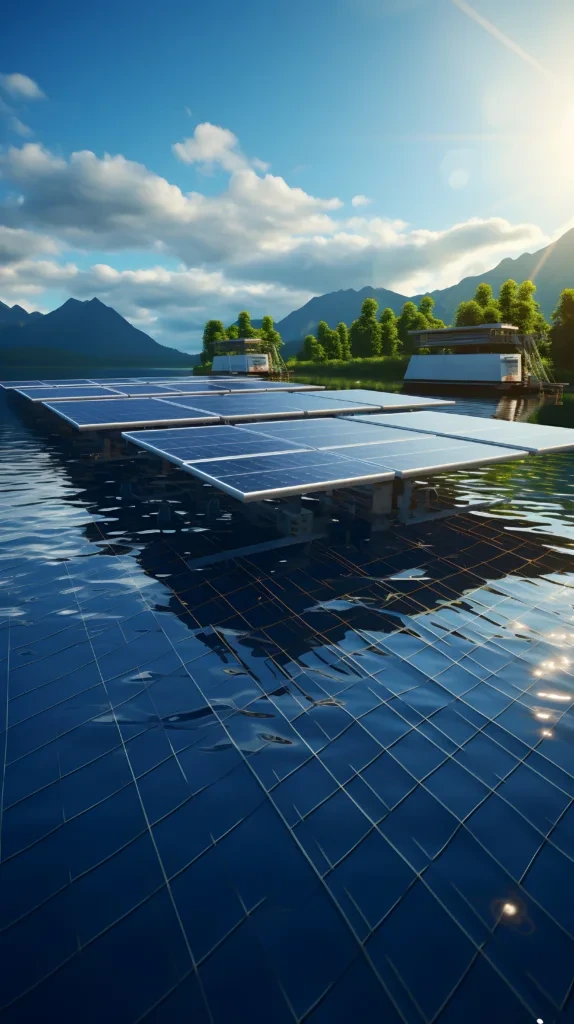
Remote estates often use solar power, rainwater collection, and locally made Amazigh furnishings. The aim is to combine environmental responsibility with the comfort and service associated with a five-star stay.
Leading regions for off-grid retreats
Atlas Mountains
- Tizi n'Test valley: Amazigh-style lodges integrated into the cliffs, with infinity pools and outdoor spa areas
- Ourika high country: Elevated properties with hiking access, organic gardens, broad views, and panoramic cinema spaces
Sahara
- M'Hamid dunes: Kasbah-inspired camps with plunge pools, private music, and open night skies
- Erg Chigaga: Luxury yurts with spa services and telescopes for guests interested in astronomy
Design and infrastructure for seclusion
Independent energy
Off-grid estates rely on solar generation and battery storage. A 50 kWh battery system, for example, can support full-estate operations for up to 48 hours, including electric-vehicle use, depending on actual consumption and system design.
Water and waste
Underground reservoirs can store harvested rainwater. Greywater may be treated for reuse, while composting systems reduce waste and the need for frequent service vehicles.
High-end amenities
Design may include vaulted cedar ceilings, floor-to-ceiling windows, an underground wine cellar, a meditation dome, heated floors, and private chefs presenting cuisine rooted in Amazigh heritage.
Investment potential
Demand for wellness and privacy
Affluent families, technology entrepreneurs, and post-pandemic travelers have shown greater interest in private, wellness-focused accommodation. That demand supports a small but distinctive hospitality niche.
Scarcity and value
Mountain slopes, desert ridges, and protected landscapes can accommodate only a limited number of carefully planned retreats. Genuine scarcity may support value, but it also makes planning permission and environmental due diligence essential.
Sources of revenue
- Seasonal stays: Luxury travel, yoga retreats, and creative residencies marketed through specialists such as Black Tomato
- Private events: Weddings, film productions, and corporate retreats
- Private ownership: Personal use by affluent families and investment professionals
Features to assess
Location and access
A retreat should feel private while remaining operable. A practical target may be access within 2-3 hours of Marrakech or Ouarzazate by a maintained road, with a helipad where it is permitted and justified.
Materials and systems
Priority elements include reliable solar and battery systems, local craftsmanship, reclaimed stone, tadelakt bathrooms, and durable cedar pergolas.
Siting and planning
Rural building rules are becoming more demanding. Owners should secure the title, land-use rights, environmental approvals, and all construction permits before work begins. Local architects experienced in bioclimatic design can adapt the project to the site.
Development challenges
Infrastructure cost
Road access, solar systems, and wells can cost up to EUR200k. Once installed, however, efficient systems may keep ongoing utility costs relatively low.
Regulation
Rural zoning, utility rights, access, and environmental designations can delay approvals. A local surveyor, architect, and notary are central to the due-diligence process.
Seasonal operations
Remote sites may face extreme summer heat or winter snow. Passive cooling, insulation, drainage, weatherproofing, and year-round access must be designed from the outset.
Illustrative retreat models
Tizi Atlas Lodge under development
- EUR1.2m estimated lodge construction plus EUR300k for infrastructure
- Passive heating, solar-powered hospitality systems, and a wellness center
- Expected average daily rate of EUR1,200 at 50% occupancy
Sahara Nomad Camp
- EUR600k total investment
- 6 luxury yurts, a central lounge, 2 plunge pools, and a full operating team
- Peak-season average daily rate of EUR1,500 per night through high-end travel platforms
These figures are presented as case-study assumptions, not guaranteed costs or returns. Actual results depend on land, specification, permits, financing, seasonality, and management.
Sustainability and local impact
- Solar arrays reduce reliance on centralized electricity and can lower operational emissions
- Permaculture gardens supply part of the property's produce
- Local employment creates roles for people in nearby villages
- Waste reduction includes greywater reuse, recycling, and composting
Who may consider this market
- Affluent buyers seeking a highly private second home
- Wellness operators developing destination retreats
- Family offices looking for long-term real assets
- Hospitality entrepreneurs focused on experiential luxury
Planning an off-grid project
- Define the purpose: Decide whether the property is primarily a private retreat or an operating hospitality asset
- Assemble specialists: Engage an architect, renewable-energy engineer, surveyor, notary, and legal adviser
- Complete title and permit checks: Confirm the registered title, access rights, land use, and environmental clearance
- Develop in phases: Establish safe access, water, energy, and waste systems before guest accommodation
- Plan distribution: Select suitable luxury-travel platforms, residencies, and private-event partnerships
Investing in Morocco's remote luxury market
Off-grid luxury offers more than privacy. At its best, it combines an exceptional landscape, responsible systems, and a carefully operated hospitality or residential experience.
The opportunity is specialized and carries meaningful development risk. Investors should test legal access, infrastructure budgets, environmental impact, operating capacity, and realistic demand before committing capital.
Contact Orchid Island to discuss remote properties and professional guidance for a mountain or desert project in Morocco.