Renovating a Villa in Marrakech: A Practical Guide for Buyers
Understand permits, heritage rules, budgets, structural checks, professional support, and investment risks when renovating a Marrakech villa.
Orchid Island
Editorial team
2 min read
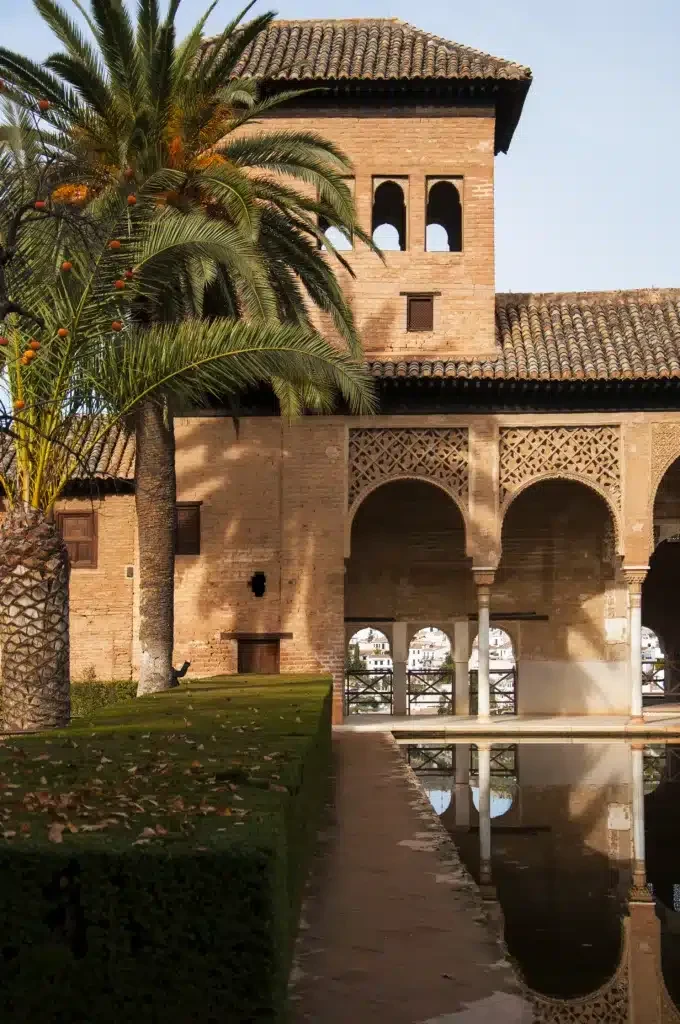
Renovating a villa or riad in Marrakech can create a distinctive home and a valuable rental or resale asset. It can also expose a buyer to permit delays, hidden structural problems, heritage restrictions, and budget overruns.
A successful project begins before acquisition with legal, structural, technical, and financial due diligence.
Permits and heritage requirements
Owners should obtain the approvals required by the local urban authority before construction begins. The application commonly includes plans prepared or approved by a licensed architect, and structural work may require an engineer.
Properties in historic areas such as the Medina can be subject to heritage-preservation rules. Restrictions may affect façades, layouts, materials, heights, and visible services so that the building's architectural character is protected.
Budget and project planning
Renovation cost depends on size, condition, access, specification, and the extent of structural work. The source estimates basic renovation from about 3000 MAD/m2 and extensive structural work above 7,000 MAD/m2.
Those figures are only starting assumptions. Buyers should obtain current, itemized estimates and include design fees, permits, temporary works, utilities, furnishing, tax, and contingency.
A local project manager can coordinate architects, craftspeople, suppliers, schedules, quality checks, and communication with public authorities.
Selecting a suitable property
Not every villa is a good renovation candidate. Before buying, assess:
- Foundations, walls, roofs, damp, drainage, and structural movement
- Registered title, boundaries, planning status, and access rights
- Existing electricity, water, and sewer connections
- Vehicle and construction access for materials and equipment
- The cost of meeting the intended rental, hospitality, or residential standard
Medina, Hivernage, and Palmeraie may offer strong demand, but purchase prices and regulatory constraints can also be higher.
Working with local professionals
A licensed Moroccan architect leads design and helps maintain compliance. Structural engineers, quantity surveyors, project managers, and skilled local craftspeople may be required according to the project.
Independent legal advisers should review title, zoning, permits, and construction contracts. Written agreements should define scope, materials, price, milestones, payment, changes, delays, defects, and responsibility for approvals.
Potential return
A well-renovated villa can support long-term rental, seasonal stays, hospitality use, or resale. Marrakech attracts demand for high-quality accommodation with authentic character.
Some commercial or hospitality-designated properties may qualify for specific tax treatment, but eligibility must be confirmed with a qualified adviser. Returns depend on total project cost, completion time, operating expenses, demand, and eventual exit price.
Risks to plan for
Permit delays, hidden defects, material inflation, and contractor availability are common project risks. A contingency of 15% can help absorb unforeseen cost, although a complex historic property may require more.
Progress inspections and contracts tied to verified milestones can improve control. Buyers should avoid paying too far ahead of completed work.
Preparing a renovation investment
A Marrakech villa renovation can create long-term value when it is based on a sound building, clear legal status, realistic budget, required approvals, and experienced supervision.
Contact Orchid Island to discuss renovation opportunities and professional support suited to your investment plan.