Smart Home Technology: Is It Worth the Investment?
Compare the convenience, energy, security, remote access, cost, compatibility, privacy, and learning demands of smart-home systems.
Orchid Island
Editorial team
2 min read
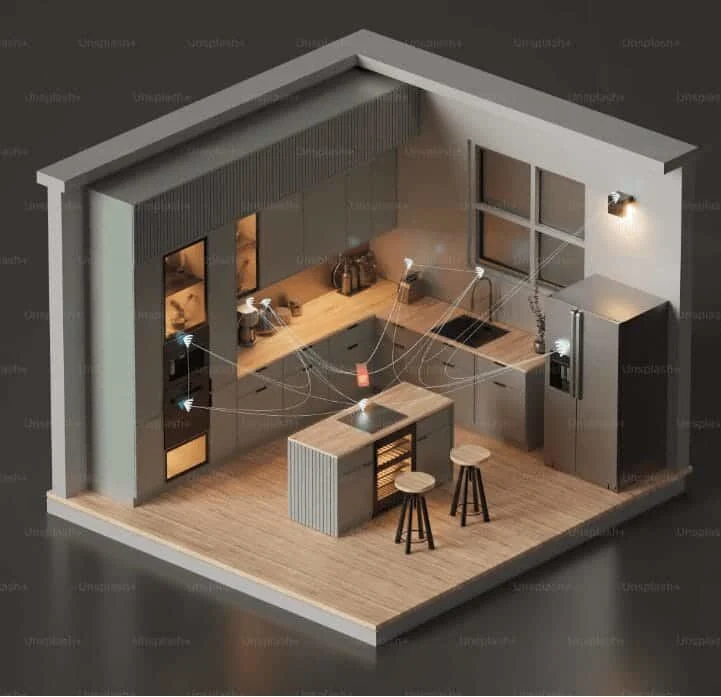
Smart-home systems connect lighting, heating, security, appliances, and other functions to automation or remote controls. They can make a home more convenient and efficient, but cost, compatibility, privacy, and maintenance determine whether the investment is worthwhile.
Potential benefits
1. Convenience
Amazon Alexa, Google Nest, Apple HomeKit, and other platforms allow residents to control compatible equipment by voice or smartphone and automate routine tasks.
2. Energy efficiency and savings
A learning thermostat can adapt temperature settings to a schedule. Smart lighting can use motion sensors and dimming to reduce waste. Savings depend on the building, climate, energy price, and how the system is configured.
3. Security
Smart locks, Ring and other video doorbells, and connected cameras enable real-time monitoring and remote control. They can strengthen oversight, but should complement physical security and safe network practices.
4. Property appeal
Technology can appeal to buyers who value security, convenience, and energy management. The source cites Zillow's view that smart-equipped homes may sell faster and at a higher price, although the effect varies by market and installation quality.
5. Remote access
A smartphone application can control compatible appliances, lighting, heating, and security from another location. This is useful to frequent travellers, professionals, and second-home owners.
Costs and drawbacks
1. Upfront cost
The source provides these indicative prices:
- Smart thermostat: $150–$250.
- Video doorbell: $100–$300.
- Smart lighting: $50–$200 per bulb.
- Whole-home automation: $1,000 to $10,000+.
Installation, subscriptions, networking, replacement, and professional support can add to the purchase price.
2. Compatibility
Devices from different brands do not always work together. Additional hubs or integrations may be needed, increasing complexity and creating dependence on software support.
3. Privacy and cybersecurity
Internet-connected devices can expose household data or provide a route for attack. Use unique passwords, multi-factor authentication, software updates, a secure router, and separate networks where appropriate.
4. Learning and maintenance
Setup and operation can be difficult for some users. A conventional control should remain available for essential functions, and the owner should plan for resets, updates, and product replacement.
Is a smart-home investment worthwhile?
The answer depends on the household's priorities and budget. Buyers who value convenience, energy oversight, security, and remote access may benefit from a planned system. Those with a tighter budget can begin with a few compatible devices and expand gradually.
Choose technology around a clear need rather than novelty. A secure, interoperable, and maintainable system is more valuable than a large collection of disconnected devices.