Real Estate in Morocco: Opportunities and Challenges Shaping the Future
Explore the investors, opportunities and challenges shaping Moroccan real estate and its growth in 2025.
Orchid Island
Editorial team
2 min read

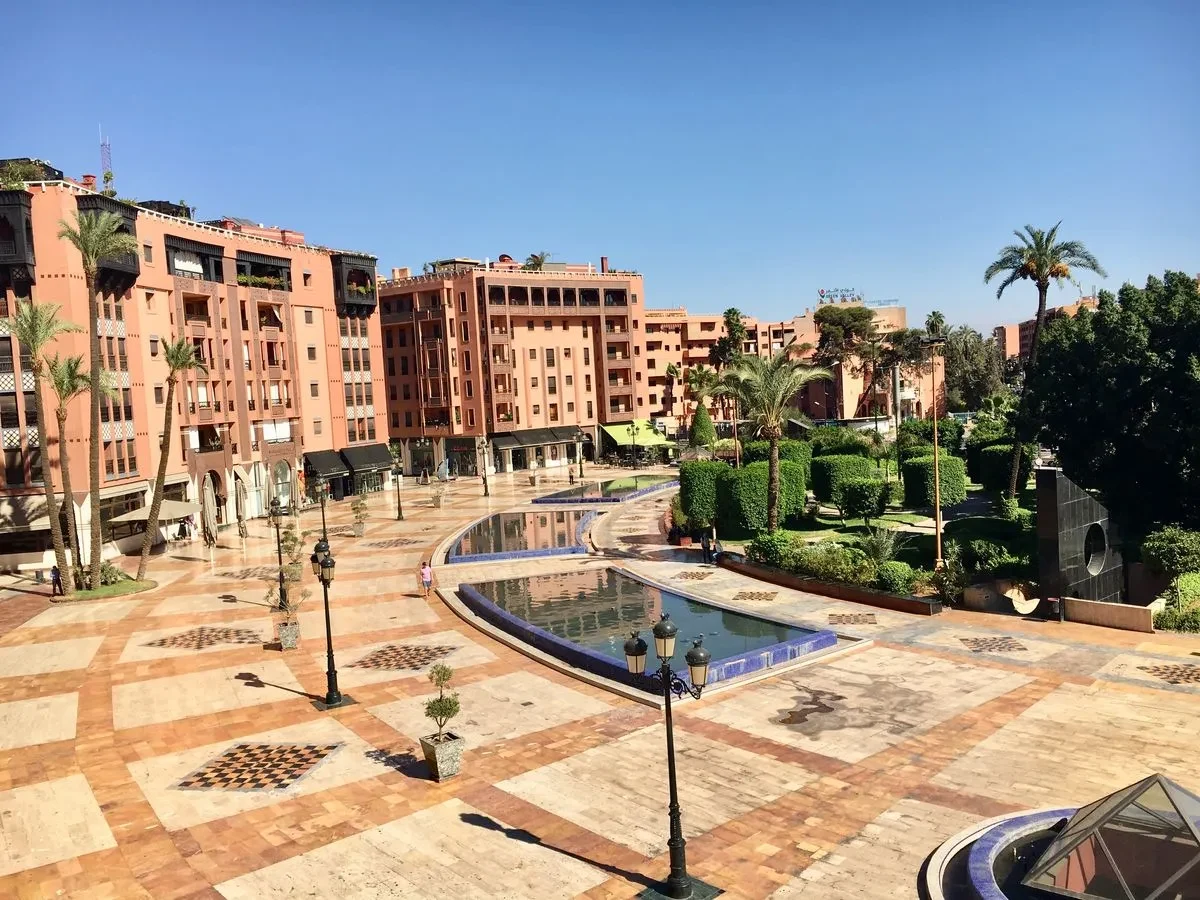
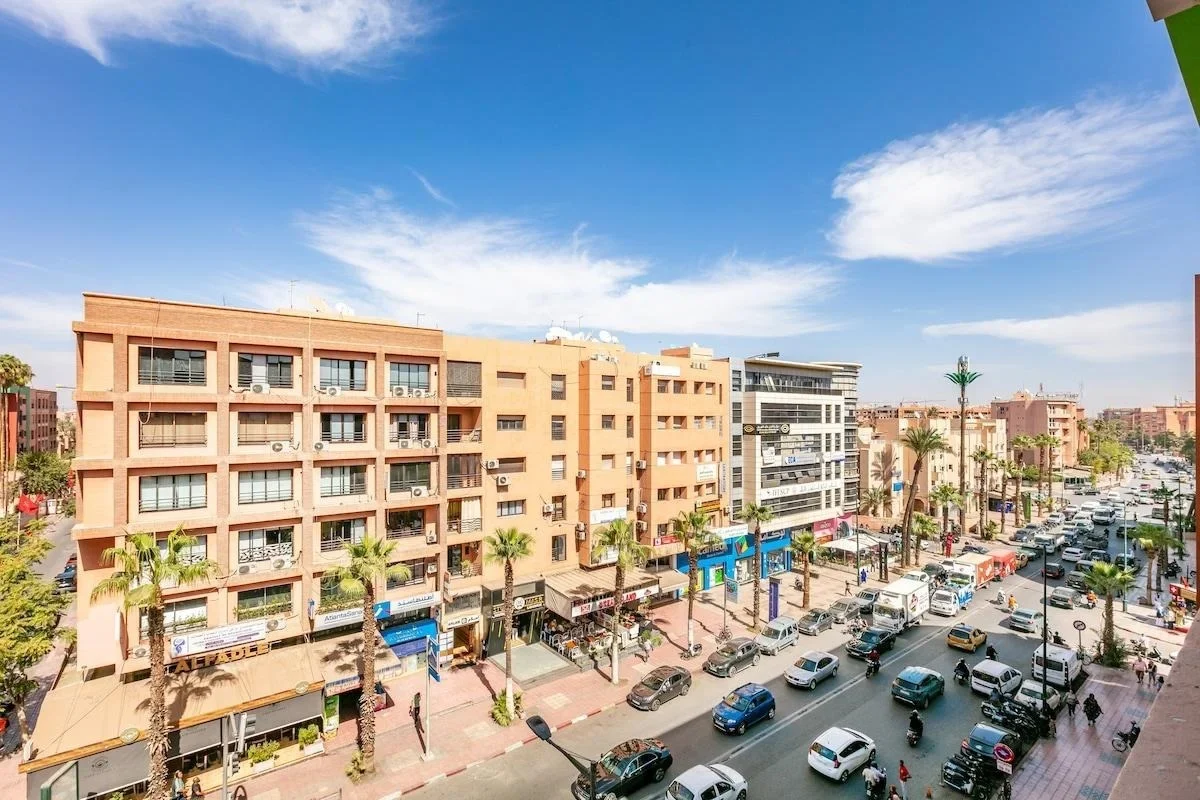
Morocco’s real estate market is undergoing a significant transformation in 2025. Evolving economic policies and government-backed initiatives are attracting attention from stakeholders around the world. Morocco’s strategic position between Africa and Europe, economic stability and rapid urban growth support a property sector that remains one of the country’s most attractive areas for investment.
Who Invests in Moroccan Real Estate?
1. Domestic Individual Investors
For many Moroccans, real estate is central to building wealth and financial security. Residential property in Casablanca, Rabat and Marrakech remains highly sought after. Rising consumer prices have strengthened demand for rental housing and encouraged the addition of new rental properties. Meanwhile, middle-income families are increasingly moving to more affordable districts on the outskirts of major cities.
2. Moroccans Residing Abroad
Moroccans residing abroad (MREs) play an important role in the property market. Many send remittances home to invest in real estate, while inflation and favorable exchange rates can make those purchases more appealing. MRE buyers often acquire homes in their places of origin or in popular tourist destinations. Rental property can also provide consistent income while an owner lives abroad. This investment can contribute to financial stability and help reduce incentives for irregular migration.
3. Foreign Investors
Foreign investors are increasingly interested in Moroccan property. European buyers often seek second homes, while investors from the Middle East and China pursue commercial opportunities. Political stability, tourism growth and infrastructure improvements all contribute to that interest. Luxury property in Marrakech, Tangier and coastal destinations is seeing stronger demand, and foreign capital also supports offices, hotels and other commercial assets.
4. Institutional Investors and Real Estate Funds
Institutional investors, including real estate investment trusts (REITs), banks, insurers and pension funds, inject substantial capital into Morocco’s economy. They often prioritize large projects such as shopping centers, mixed-use developments and technology parks. Public-private partnerships also support urban expansion and infrastructure, helping Moroccan cities strengthen their international appeal.
5. Developers and Speculators
Developers and speculators play distinct roles in the market. Developers finance housing projects and convert sites into hotels or commercial destinations, contributing to urban modernization. Speculators seek short-term gains by buying at a low price and reselling at a higher one, particularly in fast-growing areas. Market volatility and financial exposure make this a high-risk approach that does not suit every investor.
The Future of Real Estate Investment in Morocco
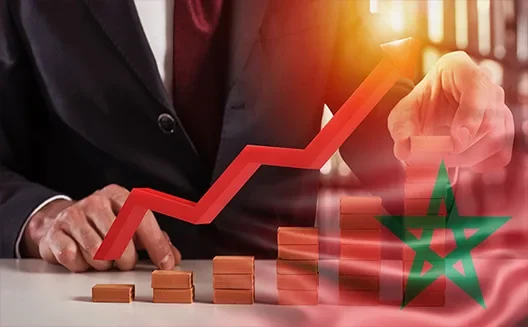
Morocco’s property market is positioned for continued growth. Economic stability and government incentives create favorable conditions for investment, while demand remains strong for housing, commercial premises and large infrastructure projects. Investors entering the sector or expanding existing activity can find opportunities across these categories. Continued urbanization and infrastructure upgrades are expected to strengthen the market’s long-term potential.