Where to Buy a Riad in Morocco
A guide to riads in Marrakech, Fes and Essaouira, with practical advice on title, access, restoration and hospitality use.
Orchid Island
Editorial team
2 min read
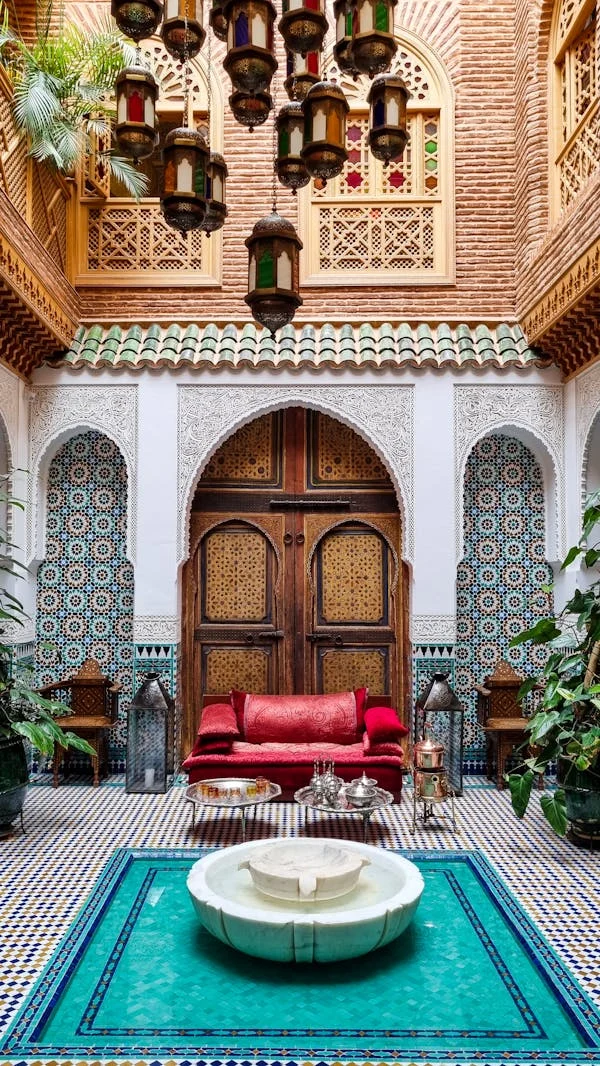
Riads are traditional inward-facing homes organized around a courtyard. Their privacy, proportions and craft can make them exceptional residences or small hospitality properties, but condition and legal status vary widely.
Choosing a city is only the first step. Access, structure, title, permitted use and renovation quality determine whether a riad is practical to own.
Marrakech
Marrakech has a large and internationally visible riad market. Neighborhoods within the historic medina differ in vehicle access, foot traffic, noise and proximity to major sites.
The legacy article highlighted a restored riad approximately 180 meters from Jemaa el-Fna, with 255 m², 5 en-suite bedrooms, a salon, rooftop terrace, air conditioning and an elevator. Its current availability and specifications must be confirmed before relying on the listing.
Fes
Fes offers important historic houses with intricate craft and a dense old-city setting. Larger properties may provide impressive architectural detail, while restoration, access and ongoing maintenance can be demanding.
Use professionals familiar with the specific medina and building techniques.
Essaouira
Essaouira combines medina living with a coastal climate. Salt, wind and humidity affect timber, metal and plaster, making condition surveys and maintenance planning especially important.
The city can suit buyers seeking a smaller-scale tourism market and a slower personal lifestyle.
Other Cities
Historic courtyard houses also exist in cities such as Rabat, Meknes and Tetouan. Casablanca has fewer properties that fit the classic medina riad profile, so listings should be assessed by architecture rather than label alone.
Due Diligence for a Riad
- verify ownership, boundaries and rights of access
- confirm whether the title is registered and review supporting documents
- inspect structure, roofs, damp, drainage and previous alterations
- check planning and heritage restrictions
- estimate restoration using appropriate materials and skilled artisans
- confirm hospitality licensing before relying on guesthouse income
A notary and independent lawyer should review the legal file. An architect or engineer experienced in traditional buildings should assess condition and planned work.
Restoration and Operating Costs
Tadelakt, zellige, carved wood and bejmat require specialist repair. Modern systems must be integrated without damaging the historic structure or creating moisture problems.
Hospitality use adds staffing, laundry, breakfast, guest registration, safety and booking costs. A residential riad and a licensed guesthouse are not interchangeable investment products.
Resources such as ArchDaily and Archnet provide architectural context. To explore available properties or review a specific riad, contact Orchid Island.