Agritourism Morocco: Fostering Sustainable Luxury Through Farming, Culture and Innovation
Agritourism Morocco: Discover sustainable luxury near Marrakech with eco villas, local farming, and authentic cultural experiences.
Orchid Island
Editorial team
9 min read
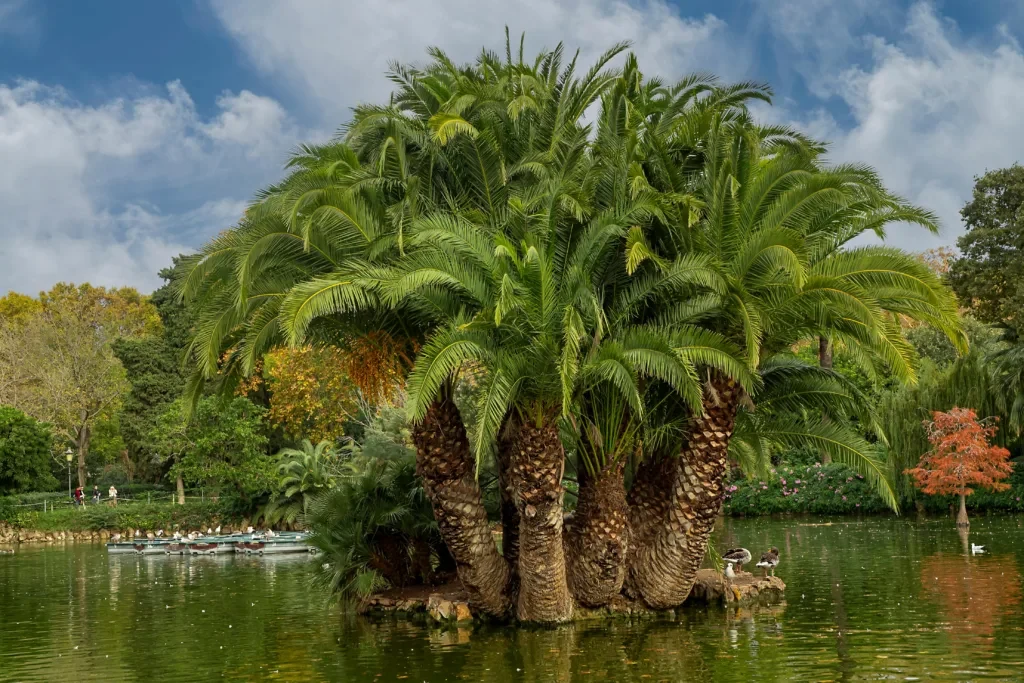
Agritourism in Morocco is developing a form of luxury hospitality that connects visitors with the country’s agricultural traditions and cultural experiences. Tourism now extends beyond comfort and leisure, as more visitors seek meaningful engagement with nature and local communities. Around Marrakech, known for its fertile plains and rich cultural identity, agritourism combines luxury accommodation with sustainability and heritage preservation.
1. Agritourism Morocco: Understanding the Concept
Agritourism combines tourism, agriculture and culture in an immersive experience. Visitors explore rural life, learn traditional farming methods and discover local cuisine and crafts. In Morocco, guests may stay in premium villas surrounded by olive groves, vineyards or argan orchards while taking part in farm-to-table dining and guided activities.
The Moroccan countryside provides an ideal setting for this model. From the fertile Haouz Plain near Marrakech to the foothills of the Atlas Mountains, rural Morocco combines natural beauty with cultural traditions that merit preservation. Agritourism initiatives can maintain these traditions while connecting modern travelers with rural communities.
Learn more about Morocco’s growing eco-tourism strategy from the Moroccan National Tourism Office.
2. Exploring The Connection Between Luxury Villas and Agritourism
Modern luxury hospitality doesn’t equate with estranging oneself from nature; rather it means integrating it. Many investors and developers are realizing the potential of marrying agritourism Morocco with luxury villa design for sustainable living spaces that respect land use while honoring local identity.
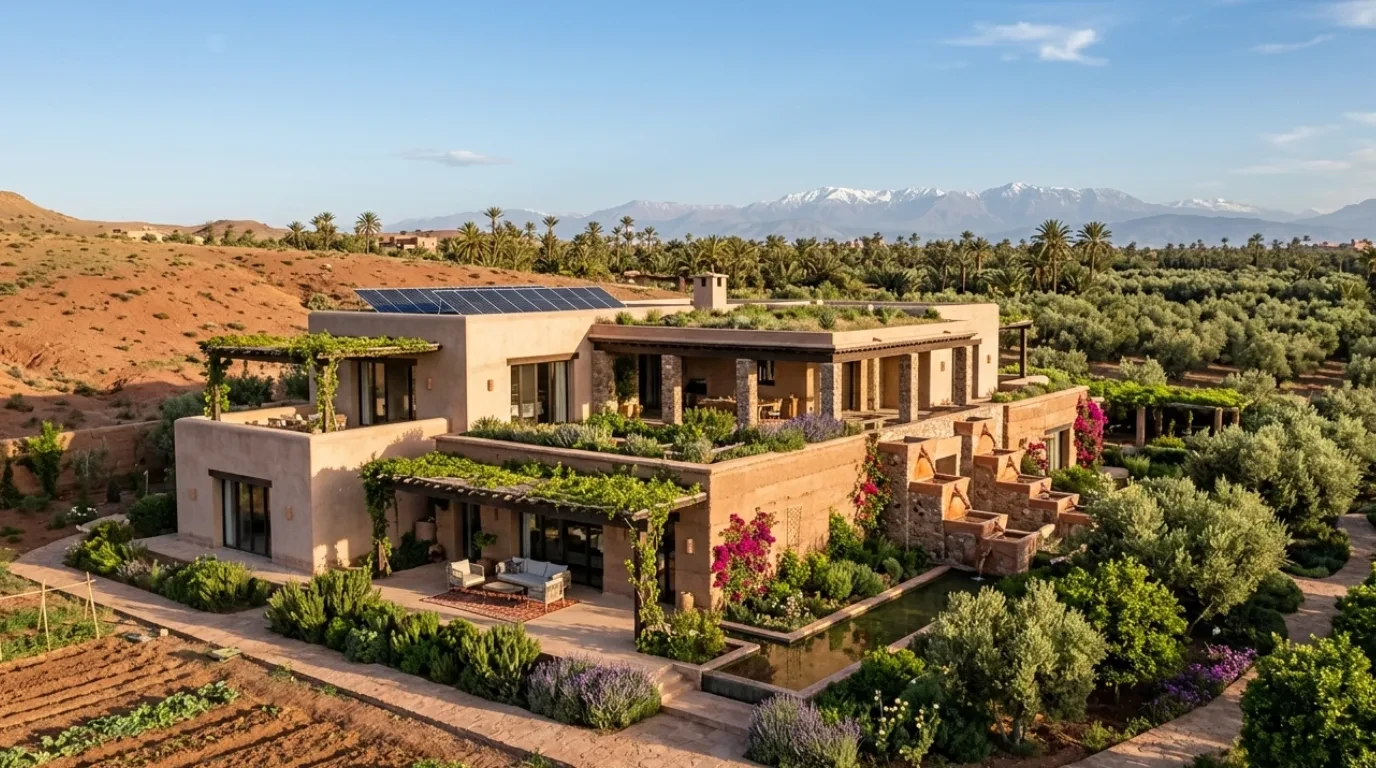
Organic gardens, solar panels, grey water recycling systems and renewable materials have become standard features of high-end rural properties, offering guests five-star comfort while tasting organic produce grown onsite or participating in olive harvesting or culinary workshops.
Integration creates an unparalleled value proposition: travelers experience exclusivity and environmental awareness in one package, while for developers the agritourism Morocco model creates economic resilience by diversifying income sources – hospitality, agriculture and eco-tourism can be seamlessly combined in one project.
3. Strengthen Local Farming and Communities
At the heart of Agritourism Morocco is strong collaboration with local farmers, artisans, and rural communities. Many successful projects work closely with nearby villages to create shared economic benefits. This approach allows tourism revenue to support local families and small businesses. It also strengthens sustainable development across Morocco's rural regions.
Local farmers provide fresh fruits, vegetables, olive oil, and traditional ingredients for visitors. Skilled artisans produce handmade decorations, furniture, and crafts inspired by Moroccan heritage. Local guides share authentic stories, cultural traditions, and historical knowledge with guests. These experiences preserve traditional skills while creating memorable and meaningful tourism activities.
Agritourism Morocco also encourages visitors to participate in daily agricultural activities and cultural workshops. Guests can harvest olives, prepare traditional meals, or discover ancient irrigation techniques like khettaras. These hands-on experiences create stronger connections between travelers and local communities. They also increase appreciation for Morocco's rich agricultural traditions, craftsmanship, and rural lifestyle.
4. Long-Term Sustainability Value Creation
One of the greatest strengths of Agritourism Morocco is its strong focus on sustainability. Growing environmental awareness is increasing demand for eco-friendly tourism and responsible accommodation. Travelers and investors increasingly prefer destinations that protect natural resources and local ecosystems. This trend creates new opportunities for sustainable tourism developments across Morocco.
Agritourism Morocco encourages energy efficiency, biodiversity conservation, and environmentally responsible construction practices. Many eco-friendly properties use local materials, including tadelakt, clay, stone, and natural wood. These materials blend naturally with surrounding landscapes while reducing environmental impact. They also preserve Morocco's traditional architectural identity and cultural heritage.
From an investment perspective, Agritourism Morocco offers attractive long-term growth opportunities. Eco-certified properties attract international travelers seeking sustainable and authentic experiences. These developments often achieve higher occupancy rates, stronger brand recognition, and greater market value. As Morocco's tourism sector continues expanding, sustainable agritourism supports economic growth while benefiting investors, local communities, and the environment.
Discover sustainable investment practices in Morocco on the Orchid Island Real Estate Guide.
5. Cultural Tourism as a Strategic Integrator
Culture is one of the strongest foundations of Agritourism Morocco. It transforms rural tourism into a unique and memorable travel experience. Beyond farming, visitors discover Moroccan traditions, local crafts, traditional cuisine, and historic architecture. These cultural experiences make Agritourism Morocco more than a simple countryside holiday.
Travelers staying in eco-lodges, farm estates, and countryside villas increasingly seek authentic local experiences. Many enjoy cooking classes using fresh farm products and traditional Moroccan recipes. Others visit weekly souks, artisan workshops, heritage villages, and historic kasbahs. These activities create meaningful memories while strengthening connections with local communities.
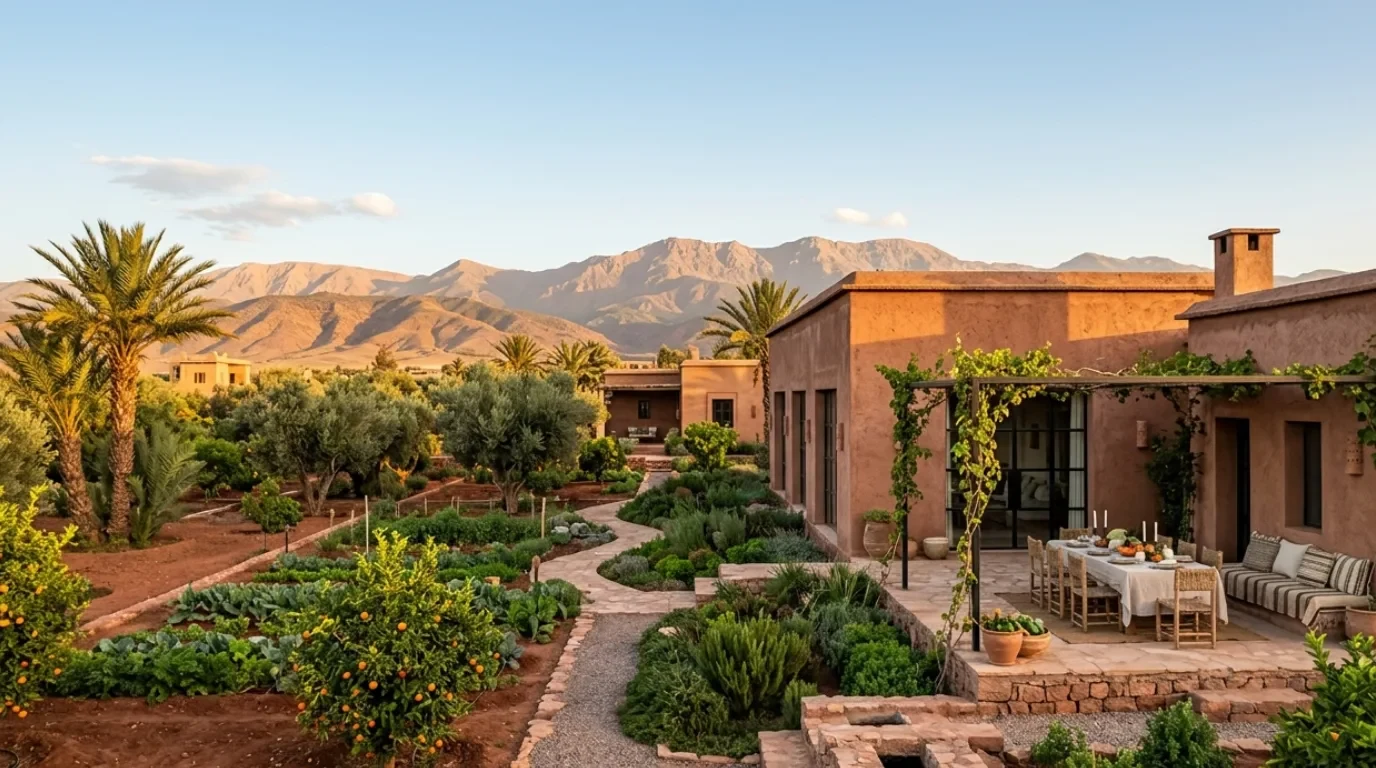
Traditional Moroccan architecture also enhances the appeal of Agritourism Morocco. Many properties use natural materials, including stone, clay, wood, and tadelakt finishes. Landscaped gardens, olive groves, and outdoor dining spaces create relaxing and authentic environments. These design elements successfully combine modern comfort with Morocco's rich architectural heritage.
Moroccan hospitality remains another important strength of Agritourism Morocco. Warm welcomes, personalized service, and generous hospitality improve every visitor's experience. Combined with sustainable practices and modern amenities, these qualities increase the attractiveness of eco-tourism destinations. They also help build strong customer satisfaction and long-term visitor loyalty.
From an investment perspective, cultural experiences increase the value of sustainable tourism projects. Many travelers willingly pay more for authentic experiences reflecting Morocco's local identity. This growing demand improves occupancy rates and strengthens long-term business performance. It also creates new opportunities for sustainable tourism entrepreneurs and investors.
By promoting local culture, Agritourism Morocco supports artisans, farmers, and rural communities across the country. It helps preserve traditional skills while encouraging responsible economic development. This balanced approach combines environmental sustainability, cultural preservation, and long-term investment opportunities. As a result, Agritourism Morocco continues strengthening Morocco's position as a leading sustainable tourism destination.
6. Agritourism as an Investment Opportunity
Real estate and hospitality investors see Morocco’s agritourism sector as an appealing opportunity, particularly those in Marrakech, Essaouira and Atlas regions. Projects which combine luxury villas with agricultural or ecological components are becoming more desirable among investors.
Investors benefit from multiple revenue streams – accommodations, on-site production (olive oil, honey and herbs), cultural events – while appealing to eco-conscious and high spending clientele. Morocco also supports sustainable tourism through incentives and policies encouraging green architecture and rural development.
As a result, we created an investment model that balances profitability with environmental and social responsibility, an approach aligned with UNWTO’s sustainable tourism goals.
7. The Future Outlook
As environmental awareness continues growing, Agritourism Morocco is becoming an important part of the country's tourism strategy. Travelers increasingly seek sustainable experiences that combine nature, culture, and responsible hospitality. Morocco offers the ideal environment for developing eco-luxury tourism while protecting its natural resources. This approach strengthens the country's reputation as a leading sustainable travel destination.
Marrakech continues attracting investment through projects combining agriculture, comfort, and authentic cultural experiences. These developments meet growing market demand while supporting Morocco's long-term sustainability objectives. Developers adopting environmentally responsible practices create lasting value for investors, visitors, and local communities. Their projects also contribute to stronger rural economies and responsible tourism growth.
Agritourism Morocco offers much more than a unique travel experience for modern visitors. It creates new opportunities by combining sustainable farming, luxury hospitality, and cultural heritage. This innovative model supports environmental protection while generating long-term economic benefits. As demand for eco-friendly tourism continues growing, Agritourism Morocco is shaping the future of luxury hospitality and sustainable tourism.
Why Marrakech Is Becoming the Flagship Destination for Agritourism Morocco
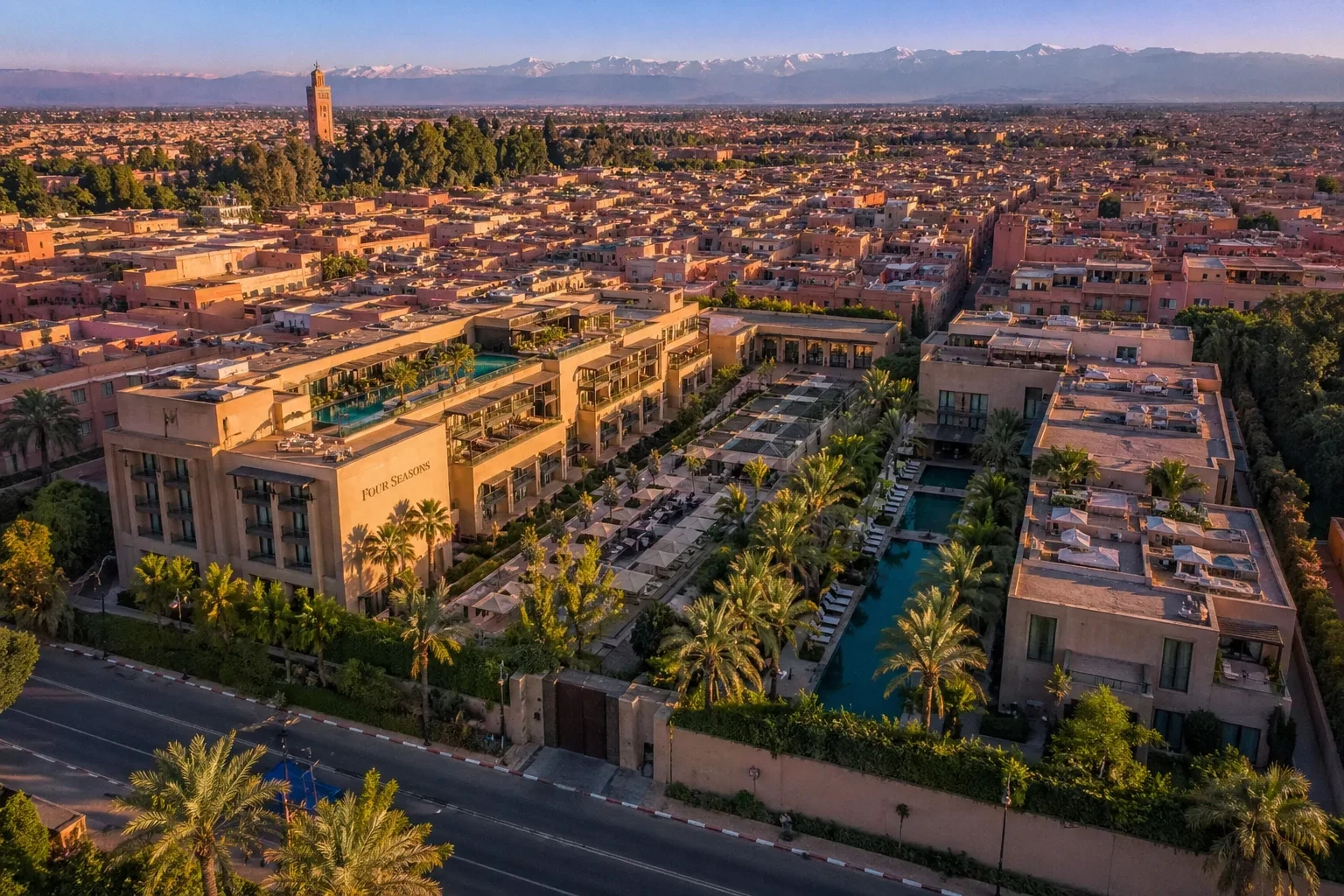
Marrakech is becoming one of the most important destinations for Agritourism Morocco. The city combines international tourism with easy access to productive agricultural landscapes. Many visitors know Marrakech for its luxury hotels, historic medina, and vibrant culture. However, the surrounding region also features olive groves, citrus farms, fertile plains, and Atlas Mountain villages. These natural resources create excellent opportunities for authentic rural tourism experiences.
Agritourism Morocco in Marrakech successfully combines modern luxury with traditional countryside living. Visitors can travel from the city center to farms and eco-retreats within one hour. They enjoy organic farms, nature-based activities, and sustainable accommodation during the same trip. This unique combination gives Marrakech a strong competitive advantage in sustainable tourism.
Growing global demand for wellness, farm-to-table dining, and eco-friendly travel creates new investment opportunities. Marrakech benefits from excellent international connections and a well-established tourism industry. These advantages encourage developers to create innovative Agritourism Morocco projects throughout the surrounding countryside. Investors can benefit from increasing demand for sustainable and authentic travel experiences.
Many successful projects near Marrakech already combine agriculture with hospitality and outdoor recreation. Eco-lodges, glamping sites, gardens, and local farms provide memorable experiences for visitors. These developments also create employment while supporting local communities and regional economic growth. Their success demonstrates the strong potential of Agritourism Morocco.
Luxury tourism around Marrakech is becoming increasingly focused on sustainability and environmental responsibility. Boutique hotels and private villas now include olive orchards, organic gardens, and solar energy systems. Local construction materials and open natural landscapes improve the visitor experience. These sustainable features add value while protecting the surrounding environment.
Agritourism Morocco also creates multiple sources of income for property owners and investors. Tourism businesses can combine accommodation, local food, wellness retreats, farming activities, and cultural workshops. Seasonal experiences, including olive harvesting and traditional cooking classes, attract additional visitors throughout the year. This diversified business model reduces dependence on accommodation revenue alone.
Beyond financial benefits, Agritourism Morocco supports sustainable rural development across the Marrakech region. Local farmers, artisans, and small businesses benefit from growing tourism demand. New projects preserve traditional agricultural knowledge while improving local infrastructure and employment opportunities. These positive impacts strengthen both rural communities and Morocco's sustainable tourism industry.
Looking ahead, Marrakech is likely to remain one of the strongest engines of Agritourism Morocco because it combines brand recognition, investor confidence, tourism demand, and agricultural heritage in one destination. For travelers, it offers richer and more authentic stays. For investors, it offers a model aligned with global shifts toward sustainable hospitality and experience-driven real estate.
In many ways, Marrakech is not only participating in the rise of Agritourism Morocco, it is helping define what the sector can become.
To better understand the regional investment landscape, visit the official Marrakech tourism website.
Explore Agritourism Investment Opportunities
Contact Orchid Island today and discover how you can take part in sustainable real estate projects that blend elegance, authenticity, and ecological balance across Morocco’s most captivating landscapes.