Vertical Farming in Moroccan Residential Developments
A practical assessment of rooftop greenhouses and controlled-environment farming in Moroccan housing, including water, energy, operations, food safety, and cost.
Orchid Island
Editorial team
3 min read
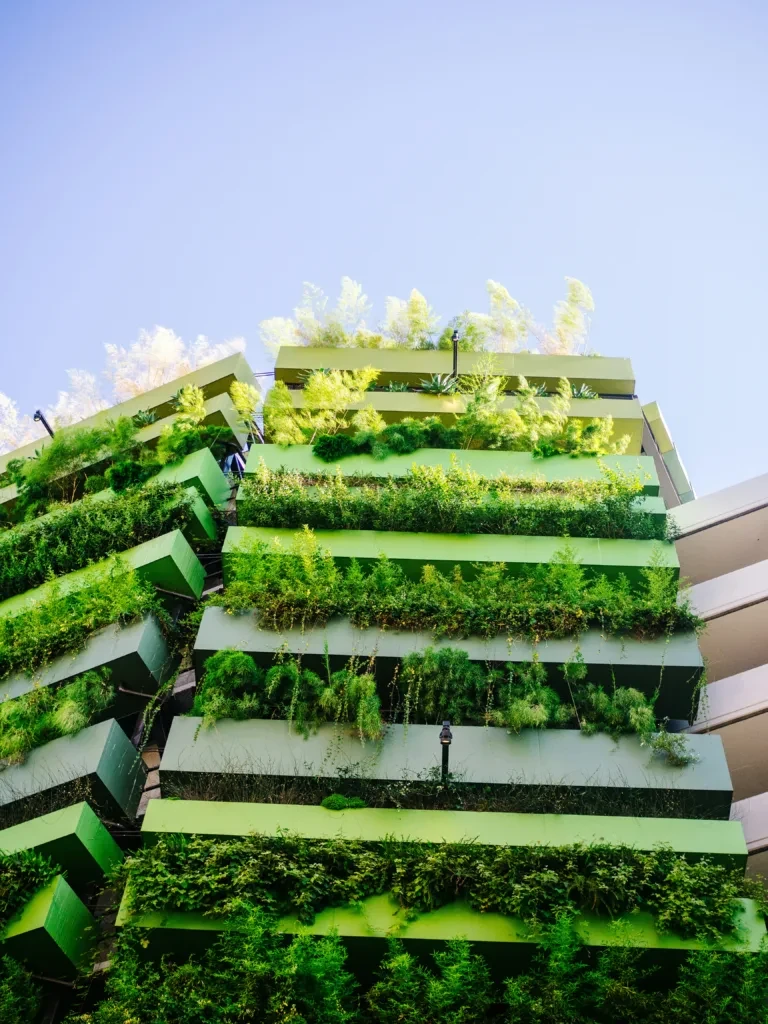
Vertical farming grows plants in stacked or space-efficient systems, often using hydroponics, controlled light, irrigation, and climate monitoring. In a residential project, a small greenhouse or productive garden may provide herbs, education, community activity, or a distinctive amenity.
It is not automatically sustainable or profitable. Energy, water treatment, technical staff, crop selection, hygiene, maintenance, structure, and long-term responsibility determine whether the system is useful after launch.
Choose the Purpose Before the Technology
A developer should define whether the installation is intended for resident participation, a professional food operation, restaurant supply, education, landscape, or marketing. These objectives imply different scales and standards.
A small resident herb garden may be simple to operate. A year-round commercial farm in a building requires agricultural expertise, controlled access, food-safety procedures, reliable utilities, and a market for the produce.
Understand the Main Systems
Hydroponic systems grow plants in nutrient-rich water without soil. Aeroponic systems deliver nutrients through a mist around the roots. Other projects use vertical planters with soil or substrate and simpler irrigation.
The appropriate system depends on crop, climate, available space, water quality, energy, labor, and local maintenance capability. Claims about water savings should be based on the full system and compared with an appropriate agricultural baseline.
Integrate Farming with the Building
Architects and engineers need to coordinate:
- Structural load and waterproofing
- Drainage, leaks, humidity, and mold prevention
- Water storage, treatment, and nutrient management
- Heat, ventilation, shading, and supplemental lighting
- Safe electrical systems in wet environments
- Pest control and hygiene
- Staff, resident, delivery, and emergency access
Retrofitting a roof or unused room without this analysis can create more building risk than amenity value.
Energy and Water Determine Performance
Controlled-environment farming can reduce land use and recirculate water, but pumps, cooling, ventilation, treatment, and artificial lighting consume energy. Morocco's solar potential may support renewable supply, although production timing, storage, grid connection, and equipment cost need a technical model.
Water quality and availability are critical. The system should monitor consumption, leaks, nutrient concentration, discharge, and crop health. Wastewater or nutrient disposal must follow appropriate requirements.
Decide Who Operates It
A residential association is not automatically equipped to run a farm. The project needs a named operator, service scope, skills, response time, spare parts, crop plan, food-safety process, and budget.
Contracts should explain who owns produce, bears operating losses, replaces equipment, carries insurance, and remains responsible if the specialist operator leaves.
Evaluate Resident and Market Demand
Fresh produce and a visible green amenity may appeal to residents, but buyers should not pay a large premium without understanding operating fees and practical benefits. Interview the target market and test whether residents prefer a farm, conventional garden, pool, fitness room, or lower service charge.
For hospitality, produce can support a restaurant story, but output, consistency, labor, and cost should be compared with reliable local suppliers.
Build the Financial Case
Include design, structure, waterproofing, equipment, controls, commissioning, staff, energy, water treatment, nutrients, seeds, testing, cleaning, repairs, replacement, insurance, and management.
Revenue or cost savings should be based on usable harvested produce, not theoretical maximum yield. A pilot can reveal crop and operating performance before a larger installation is committed.
Use Policy as Context, Not Proof
Morocco's Green Generation 2020-2030 strategy supports agricultural modernization and resource efficiency. Whether a residential vertical farm qualifies for a program or incentive requires direct confirmation with the responsible authority.
General sustainability information is available through relevant Moroccan institutions, including the Ministry of Energy Transition and Sustainable Development.
A Specialist Amenity with Real Operating Needs
Vertical farming can contribute education, food, and community value when it is sized appropriately and designed as part of the building. The defensible project has measured resource use, professional operation, safe integration, a funded maintenance plan, and a clear reason to exist beyond marketing.
Contact Orchid Island to assess residential projects on their complete environmental and operating performance.