Creative Property Spaces in Marrakech: Studios, Galleries, and Hubs
Assess Marrakech studios, galleries, and creative hubs by use permission, location, conversion cost, tenant demand, and cultural value.
Orchid Island
Editorial team
2 min read
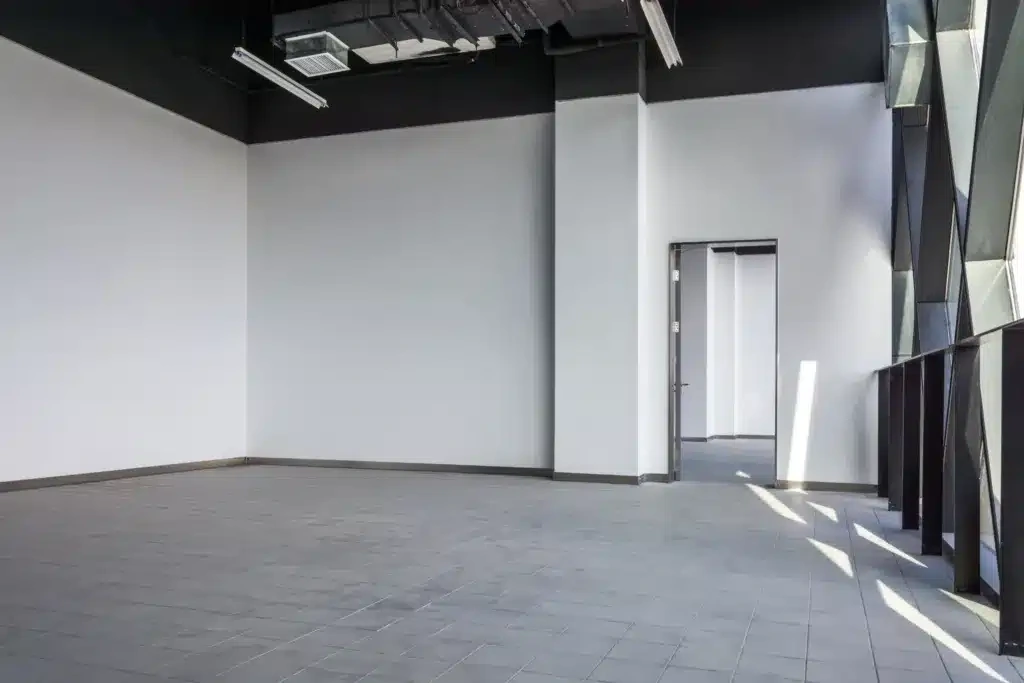
Some Marrakech properties are adapted as artist studios, galleries, workshops, coworking spaces, or shared cultural venues. These projects can support the creative economy and give older buildings a viable use, but commercial success depends on permission, access, conversion cost, programming, and sustained demand.
Define the operating model
A private studio, public gallery, workshop venue, and multi-tenant hub have different requirements. Identify who will use the space, how income will be earned, when the public will visit, and who will manage programming. Rent, membership, sales commission, events, and hospitality each create different cost and compliance profiles.
Speak with potential artists, associations, curators, and tenants before buying. Interest in Marrakech's cultural scene does not prove that a particular space can support the required rent or visitor volume.
Check lawful use and access
Confirm title, planning, permitted use, building rules, and any authorisation needed for public access, signage, events, retail, food, or late opening. Historic Medina property may offer character but present challenges for deliveries, emergency access, noise, waste, and people with limited mobility.
Neighbour relationships matter. Workshops, music, events, and visitor traffic can create conflict in a residential setting. The operating schedule and acoustic treatment should be considered before acquisition.
Plan the conversion
Studios may require robust power, ventilation, sinks, extraction, storage, loading, and durable surfaces. Galleries need controlled lighting, security, hanging systems, environmental stability, and safe visitor circulation. Coworking spaces depend on reliable internet, acoustics, meeting rooms, climate comfort, and flexible furniture.
An architect and engineer should test whether the building can support the intended use without damaging significant features. Budget for design, permissions, structural and service upgrades, fire and safety measures, accessibility, equipment, furniture, insurance, and contingency.
Test the economics
Build a monthly operating model with conservative occupancy. Include management, staff, marketing, utilities, cleaning, maintenance, security, insurance, taxes, content or event production, and periodic refurbishment. A creative concept often needs active programming and community relationships, not only a renovated interior.
The exit market may be narrower than for a conventional home. Consider whether the alterations are reversible and whether the property could lawfully support another use if the initial model changes.
Creative property can combine cultural contribution with rental or operating income, but neither growth nor occupancy is guaranteed. Contact Orchid Island to compare selected Marrakech properties that may suit a creative use.