Living in Morocco as an Expat: A Practical Guide
A practical introduction to residency, housing, healthcare, language and daily life for people planning to live in Morocco.
Orchid Island
Editorial team
3 min read
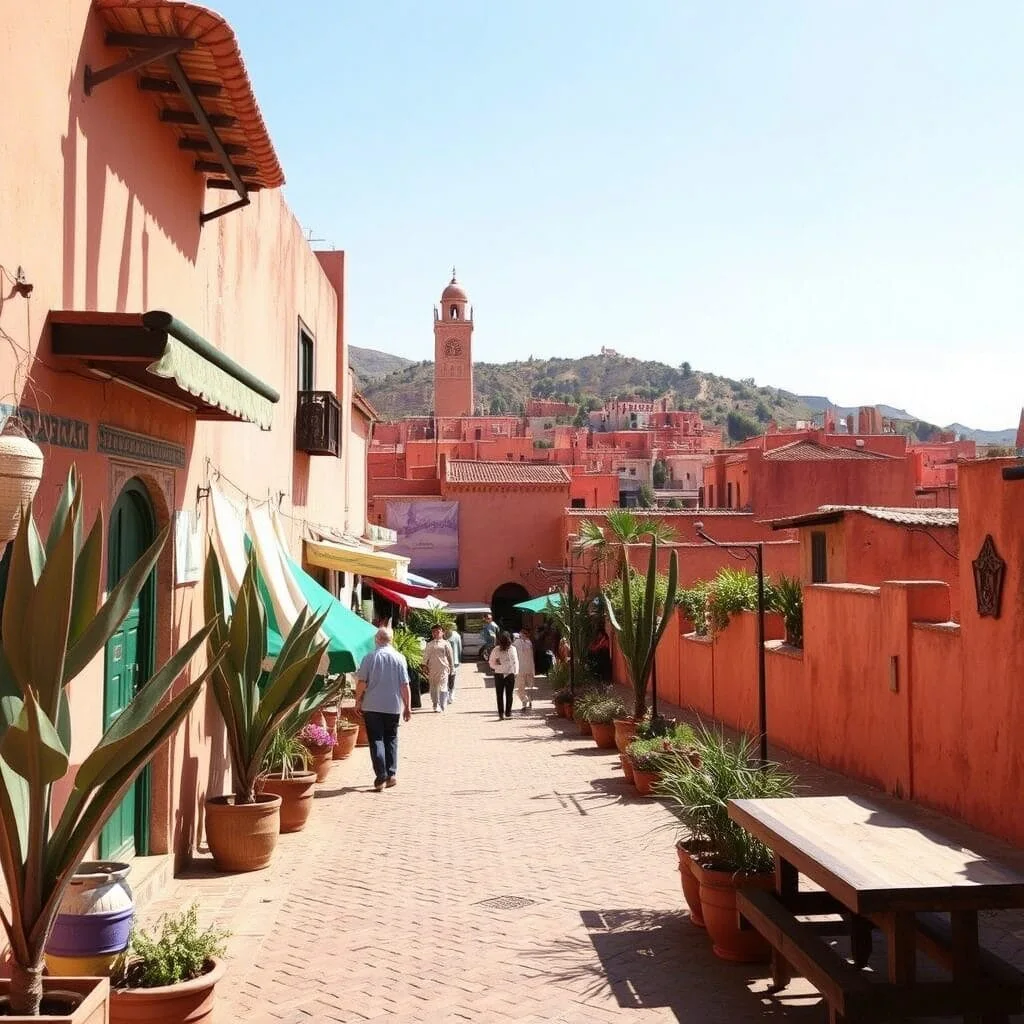
Morocco attracts international residents for work, retirement, family life and remote careers. Its cities offer distinct combinations of culture, climate, services and housing, from the energy of Marrakech and Casablanca to the slower pace of Essaouira and Agadir.
Relocating successfully requires more than choosing a destination. Residency paperwork, healthcare, banking, language and housing should all be planned before a long-term move.
Residency and Administration
Entry and residency requirements depend on nationality and length of stay. People planning to remain in Morocco should confirm the current visa rules with the relevant Moroccan consulate and ask the local authorities about the documents required for a carte de séjour.
Applications commonly require identity documents, proof of address, photographs and evidence of financial means or employment. Requirements can change, and processing may take time. Keep certified copies of important documents and begin the process before the permitted stay expires.
The embassies and consulates directory can help identify the appropriate diplomatic contact, but official instructions should be confirmed directly.
Finding the Right Home
Housing varies considerably by city and neighborhood. Before signing a long lease or buying a property, compare access, noise, parking, building management, internet quality and proximity to daily services.
Short-term accommodation can provide time to understand an area before making a commitment. When renting, verify the landlord’s identity, inventory, deposit terms, utility arrangements and notice period in writing. Buyers should use a Moroccan notary and complete independent title and planning checks.
Banking, Healthcare and Insurance
A Moroccan bank account can simplify rent, utilities and local payments. Banks may request a passport, proof of address and residency documentation. Ask how the account handles international transfers, foreign-currency funds and online access.
Public and private healthcare options differ by location. Many international residents choose private medical insurance or an international policy with Moroccan coverage. Review exclusions, emergency transport, prescription coverage and the nearest appropriate clinic before choosing a plan.
Language and Daily Communication
Moroccan Arabic, or Darija, is widely used in everyday life. French is common in business, administration and many urban services, while Amazigh languages are important across several regions. English is increasingly spoken in tourism and international business but should not be assumed in every setting.
Learning practical Darija phrases makes daily tasks easier and helps build local relationships. A translator or bilingual adviser can also be useful for contracts and official procedures.
Culture, Religion and Etiquette
Morocco is a Muslim-majority country with strong traditions of hospitality. Social customs vary by family, city and region, but respectful greetings, modest behavior and an interest in local practices are generally appreciated.
During Ramadan, working hours and dining patterns may change. International residents should follow local guidance about eating, drinking and public conduct during fasting hours.
Moroccan meals are often social occasions. Tagines, couscous, pastilla, seasonal produce and regional dishes provide an accessible introduction to local culture. Accepting an invitation for tea or a meal can be an important part of building relationships.
Choosing a City
- Marrakech combines an international tourism economy, historic neighborhoods and a wide range of modern villas and apartments.
- Casablanca is Morocco’s principal business center, with extensive professional services and a faster urban pace.
- Rabat offers administrative institutions, universities and a relatively measured coastal lifestyle.
- Essaouira appeals to residents seeking a smaller coastal city with a creative community.
- Agadir offers beaches, a mild climate and a modern urban layout.
- Chefchaouen provides a quieter mountain setting, with fewer large-city services.
Visit in different seasons and test daily routes before deciding. A location that works for a holiday may feel different when managing school, work, healthcare and errands.
Building a Sustainable Routine
Bureaucracy, language differences and unfamiliar expectations can be challenging. Reliable local contacts, organized paperwork and realistic timelines make the transition easier. Expat groups can provide useful orientation, but local neighbors, colleagues and community activities often create a deeper sense of belonging.
Living in Morocco can be rewarding when approached with curiosity and preparation. Learn the language, understand the rules that apply to your situation and allow time to choose the right city and home.