Moroccan Craft and Scandinavian Design: A Balanced Interior Approach
How Moroccan materials, craft, pattern, and climate-responsive architecture can complement Scandinavian simplicity without reducing either tradition to a decorative trend.
Orchid Island
Editorial team
3 min read
Moroccan and Scandinavian design traditions come from different climates and cultural histories, yet they can share an emphasis on natural materials, durable craft, daylight, and spaces that support daily life. A successful combination does not fill a minimal room with unrelated motifs. It creates a clear hierarchy in which architecture, furniture, color, and craft reinforce one another.
Start with Space, Light, and Proportion
Scandinavian interiors are often associated with clear layouts and careful use of limited daylight. Moroccan houses use courtyards, shade, screens, thick walls, and layered thresholds to manage a brighter, hotter climate.
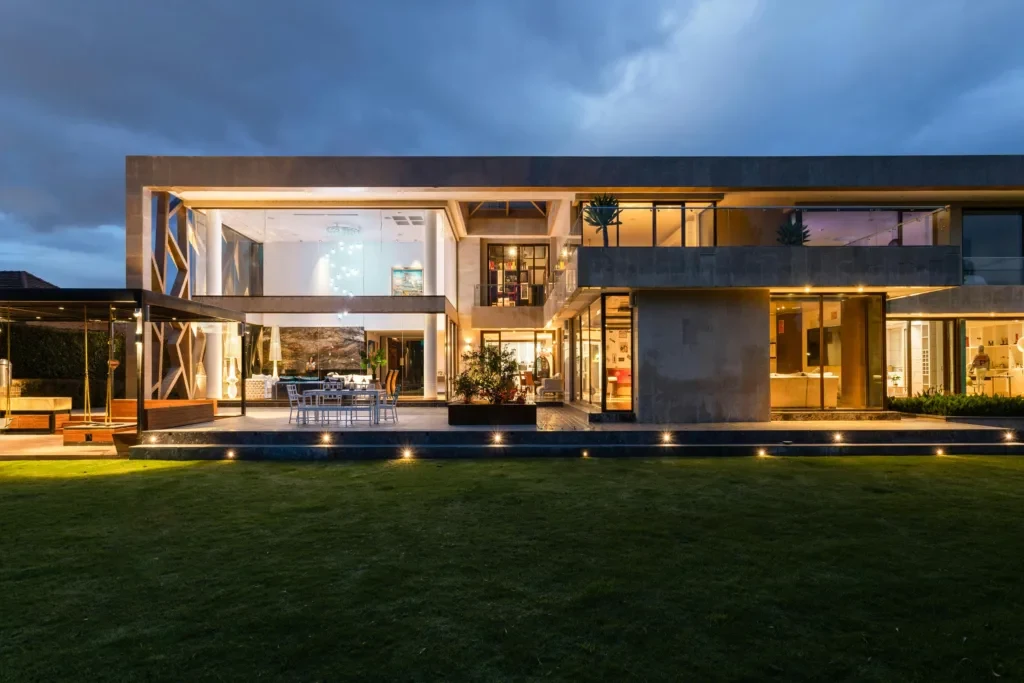
The useful connection is not a single visual style. Both approaches show how light and proportion can organize a home. Begin with circulation, views, comfort, and the relationship between indoor and outdoor space before selecting decorative elements.
Use Natural Materials with Restraint
Wood, clay, stone, wool, linen, leather, and metal can create warmth without visual clutter. Moroccan cedar, tadelakt, terracotta, and woven textiles can sit comfortably beside pale timber, simple upholstery, and understated Scandinavian furniture.
Materials should be selected for the room and climate as well as appearance. Confirm how they age, how they are cleaned, and whether repairs can be carried out by an appropriate craftsperson.
Let Craft Provide the Detail
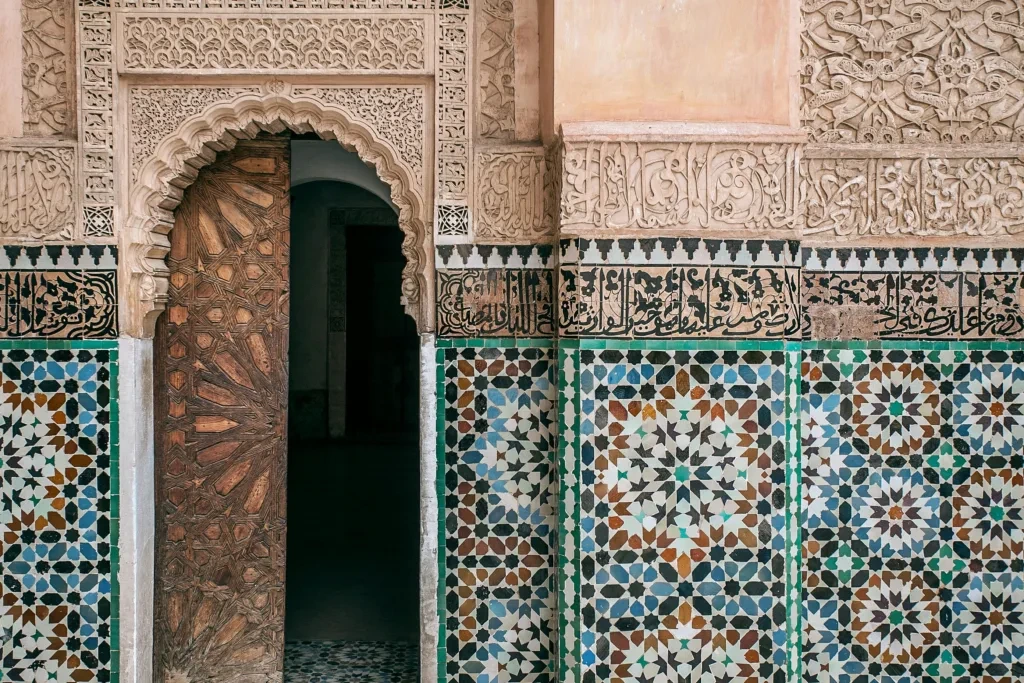
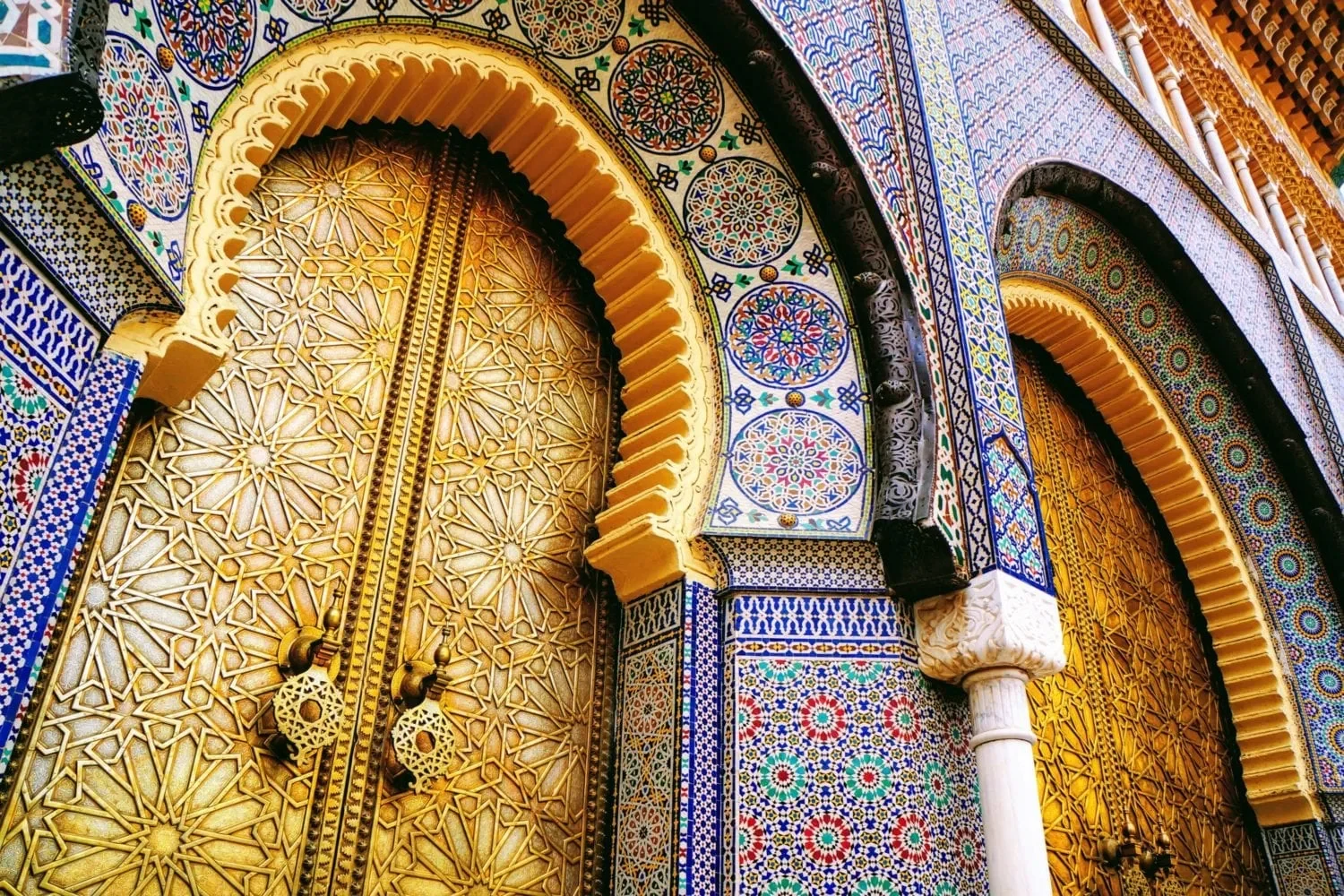
Moroccan architecture includes highly developed traditions of zellige, carved plaster, woodwork, metalwork, weaving, and painting. In a restrained interior, one well-resolved handcrafted element can carry more weight than many small decorative objects.
Examples include a zellige surface in a bathroom, a carved cedar screen, a handwoven rug, or a metal pendant designed for the scale of the room. The craft should have a functional or architectural role rather than appearing as an isolated theme.
Balance Pattern and Quiet Surfaces
Geometric pattern can add rhythm to a neutral space. Use it where the eye can understand the composition, such as a floor zone, backsplash, hearth, screen, or textile. Surrounding surfaces can remain calm so the pattern retains clarity.
Exact replication is not always appropriate. Designers should respect the origin and making process of traditional motifs, commission skilled artisans, and avoid generic printed imitations presented as handmade work.
Build a Coherent Color Palette
Scandinavian palettes often use white, gray, beige, muted green, and pale wood to support light and calm. Moroccan architecture offers earth, terracotta, mineral blue, green, ochre, and the darker tones of cedar and iron.
A balanced scheme can begin with neutral walls and floors, then introduce a limited group of warmer colors through tile, textiles, art, or joinery. Repeating materials across rooms creates continuity.
Combine Function with Handmade Character
Storage, seating, lighting, and tables should remain comfortable and practical. Bespoke Moroccan craft can solve these functional needs while adding identity: built-in plaster shelving, woven baskets, a carved cabinet, or a locally made dining table.
Scandinavian furniture can contribute ergonomic clarity and visual lightness. The objective is not an equal quantity of both styles, but a room in which each object earns its place.
Learn from Climate-Responsive Architecture
Traditional Moroccan buildings offer lessons in shade, thermal mass, courtyards, ventilation, and protected openings. Scandinavian practice offers expertise in insulation, airtightness, efficient heating, and careful daylight design.
Contemporary projects should apply the principles appropriate to their climate and building. Sustainable performance needs technical design and measurement, not just natural-looking materials.
Commission and Credit Artisans Properly
Handmade work varies naturally and requires realistic lead times. Architects and clients should agree drawings, samples, dimensions, finish, installation, price, and responsibility for maintenance. The maker and origin should be documented where possible.
This approach supports craft continuity and gives the finished property a traceable story rather than a collection of anonymous motifs.
A Calm Interior with Cultural Depth
Moroccan craft can bring texture, history, and warmth to Scandinavian restraint. Scandinavian clarity can give handcrafted Moroccan elements room to be appreciated. The strongest interiors understand both traditions and use them to solve real architectural and everyday needs.
Contact Orchid Island to discuss Marrakech homes in which local materials and craft are integrated with contemporary living.