How Non-Agricultural Land Use Drives Real Estate Development
Understand how land classification, planning permission, infrastructure, and authorised use affect development around Marrakech.
Orchid Island
Editorial team
2 min read
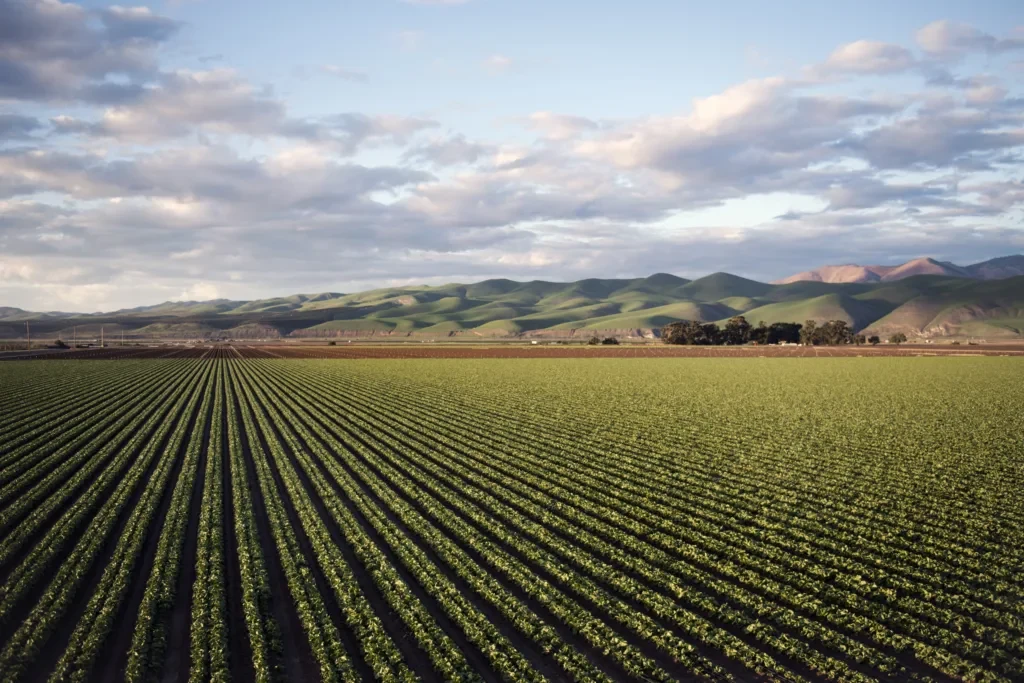
Development around Marrakech is shaped by land classification, planning policy, infrastructure, and the permissions attached to each parcel. A change from agricultural to authorised non-agricultural use can enable residential or commercial projects, but it is a legal and planning process rather than an automatic increase in value.
Investors and developers should verify the current classification, title, access, services, zoning, and buildability before valuing development land.
What Is Non-Agricultural Land Use?
Definition and Context
Non-agricultural land use means reclassifying land for purposes beyond farming, such as residential, commercial, industrial, or tourism development. Authorities increasingly rezone former agricultural areas to support urban growth and new property projects.
Why Land Reclassification Matters in Marrakech
As Marrakech grows into a global tourist and investment hub, demand for land suited to luxury developments surges. Changing land zoning opens opportunities for housing, resorts, and commercial centers, fueling urban expansion.
Urban Growth and Infrastructure Development Linked to Land Rezoning
Designating more land for development allows the city to expand its urban footprint. This growth supports neighborhoods famous for luxury villas and premium amenities.
Infrastructure projects often accompany these land-use shifts, improving accessibility and raising property values.
How Rezoning Attracts Domestic and Foreign Investors
Land reclassification signals government support for development, encouraging local and international investors to fund high-end residential and commercial projects.
Impact of Land-Use Changes on Property Values
Increasing the supply of buildable land helps meet the growing demand for housing and commercial spaces. However, the desirability of prime locations often drives demand beyond supply, pushing prices higher.
Rezoning promotes sustained market growth by enabling planned, structured development, which attracts quality investments.
Challenges and Environmental Considerations of Land Development
Although shifting land from agricultural to urban uses brings economic benefits, it raises concerns about environmental sustainability and preserving agricultural heritage.
Investors must navigate zoning laws and permits carefully, understanding local regulations to ensure successful projects.
Conclusion
The transformation of land from agricultural to non-agricultural use is a key driver behind Marrakech’s booming real estate sector. This shift unlocks opportunities for luxury developments, infrastructure improvements, and increased investment, positioning Marrakech as a leading property market in North Africa.
Investors and developers who understand the implications of non-agricultural land use will be well-placed to benefit from Marrakech’s ongoing growth.
Contact Orchid Island to discuss selected opportunities. A qualified notary, lawyer, surveyor, and planning specialist should verify the legal and technical position of any parcel.