Prestige Real Estate in Morocco: Celebrity and Diplomatic Estates
A look at prominent Moroccan estates associated with celebrities and diplomats, plus the investment principles behind prestige property.
Orchid Island
Editorial team
4 min read
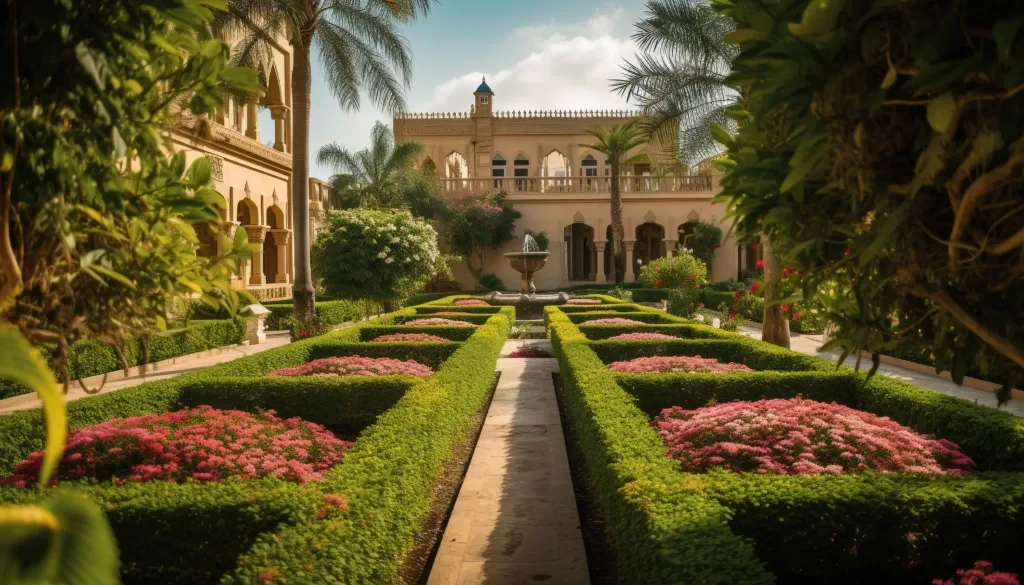
Morocco's appeal extends beyond its medinas and desert landscapes. The country also has a select market for palaces, grand riads, and private estates associated with royalty, diplomats, celebrities, and prominent entrepreneurs.
That history can enhance a property's narrative and international visibility, but prestige alone does not make an asset a sound investment. Architecture, legal title, condition, operating cost, privacy, and resale demand remain fundamental.
Why Prestige Property Attracts Buyers
Privacy and Distinction
A Moroccan palace, private villa, or exceptional riad can combine seclusion with a strong sense of place. This is especially attractive to buyers seeking a residence that feels both culturally authentic and difficult to replicate.
Architectural and Cultural Rarity
Leading estates often feature handcrafted zellige, ornate cedarwork, planted courtyards, and extensive gardens. These elements are rooted in Moroccan building traditions and can be genuinely scarce in international luxury markets.
Notable Celebrity and Diplomatic Properties
1. Richard Branson's Kasbah Tamadot
Richard Branson acquired Kasbah Tamadot in 1998 in the Atlas foothills. The estate includes private pools, gardens, Berber-inspired details, and distinctive architecture. Its development into an exclusive hospitality property illustrates how prominent ownership and careful positioning can raise an estate's international profile.
2. Vanessa Branson's El Fenn
Vanessa Branson acquired and restored El Fenn in Marrakech, developing it into an art-filled boutique property and cultural destination. Its trajectory shows how restoration, contemporary curation, and hospitality can give a historic riad a compelling new identity, as discussed by The Times.
3. Frederick Vreeland's Marrakech Mansion
A former Marrakech residence of U.S. ambassador Frederick Vreeland covers 12,000 square feet and includes gardens, guest suites, and a camel-racing track. The property demonstrates how Morocco's largest private estates can combine elegance with highly individual features. Vanity Fair profiled the mansion.
4. Ain Kassimou and Patrick Guerrand-Hermès
Ain Kassimou was built by Olga Tolstoy and later redeveloped by Patrick Guerrand-Hermès. Located near the Palmeraie and now associated with the Royal Polo Club, the residence illustrates how art, equestrian culture, and private living converge in Morocco's high-end property landscape.
What Can Make These Estates Investable
Heritage Combined With Modern Comfort
The strongest prestige properties retain traditional design while providing the systems, privacy, and amenities expected by contemporary high-net-worth buyers. Sensitive modernization can widen the buyer and rental audience without erasing architectural character.
International Tourism Appeal
A documented connection to a notable owner may make an estate more recognizable to luxury travelers. For a hospitality or rental strategy, that narrative can support marketing, but service quality and operating economics remain decisive.
Potential for Long-Term Value Retention
Morocco's rising international profile has supported demand for rare properties, particularly in Marrakech. The Times has reported that villa prices in the Palmeraie increased by more than 25%. A buyer should still verify the relevant period, comparable transactions, and the condition of the individual asset.
How to Approach Prestige Real Estate in Morocco
Use Specialist and Off-Market Networks
High-profile estates are often sold discreetly rather than through public portals. Specialist firms, including Orchid Island, Chestertons, and Kensington, can provide access to appropriate opportunities and coordinate confidential introductions.
Verify Title and Legal History
Buyers should confirm that the property has a clear Titre Foncier, the formal land title, and review all relevant legal records. Estates linked to prominent owners may have an extensive documentary history, but reputation is never a substitute for independent verification.
Use Provenance Responsibly
A factually documented “formerly owned by” association may strengthen interest and support luxury rental or resale marketing. Claims about provenance should be verified and expressed accurately to avoid overstating the connection.
Risks and Due Diligence
Paying Too Much for Prestige
Celebrity or diplomatic history can influence demand, but the valuation should still rely on comparable evidence, location, land, built area, condition, and income potential.
Maintenance and Management Costs
Historic estates often require specialist maintenance, substantial staffing, landscaping, security, and continuous capital expenditure. These costs can be materially higher than those of a conventional residence.
Liquidity
An ultra-prime estate may take longer to resell because the qualified buyer pool is small. Owners should plan for a marketing period of 6 to 18 months and remain prepared for a longer process where the asset is especially unusual.
A Rare Market That Rewards Discipline
Morocco's prestige-property segment combines cultural value, privacy, architectural scarcity, and compelling personal histories. These qualities can support long-term value, but only when matched by clear title, sound condition, professional management, and an appropriate acquisition price.
Contact Orchid Island Real Estate for discreet access to prestige estates, notable properties, and selected investment opportunities in Marrakech, Casablanca, and other Moroccan markets.