Renovating and Reselling Riads in Marrakech
Assess riad renovation projects through title, structure, permits, works budgets, heritage value, operating potential, and resale demand.
Orchid Island
Editorial team
3 min read
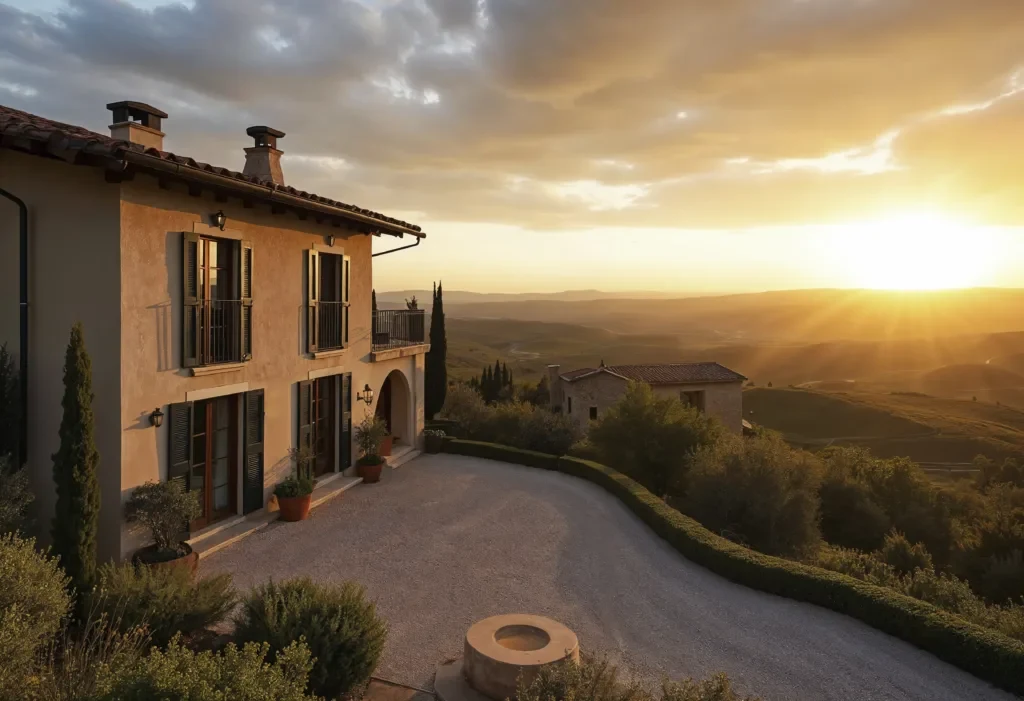
Renovating a riad can preserve historic architecture and create a home, guest property, or resale opportunity. It is also a demanding project whose result depends on title, structure, permissions, design, budget control, and market demand.
Define the intended use
A riad renovated as a private home has different requirements from a licensed guesthouse or a property prepared for resale. Decide the intended use before acquisition because it affects planning, fire and safety provisions, circulation, services, staffing, and operating permissions.
Resale should not be the only exit assumption. If the market weakens or works take longer than expected, the owner may need to hold, occupy, or rent the property. Each option should be legally and operationally feasible.
Verify ownership and building condition
The legal review should establish ownership, boundaries, rights, charges, access, and whether the property is titled or supported by another form of documentation. A Moroccan notary and qualified legal advisers should identify any succession, co-ownership, registration, or planning issue before a deposit becomes non-refundable.
An architect and structural engineer should inspect walls, floors, roofs, foundations, drainage, damp, timber, utilities, and previous alterations. Historic buildings can conceal defects behind decorative finishes. Restricted access through Medina streets also affects waste removal, deliveries, equipment, and labour cost.
Build a complete renovation budget
The purchase price is only the starting point. A project budget should include:
- Acquisition duties and professional fees
- Surveys, design, engineering, and permission costs
- Structural repair, waterproofing, drainage, and utilities
- Joinery, plaster, zellige, tadelakt, metalwork, and decoration
- Kitchens, bathrooms, climate control, lighting, and internet
- Site management, access logistics, insurance, and security
- Contingency, financing, taxes, marketing, and holding costs
Allow enough contingency for unknown conditions and document how changes are approved. A low initial contractor estimate is not useful if important structural, service, or finishing items are excluded.
Preserve character without compromising performance
Courtyard proportions, carved timber, plaster, tilework, and traditional finishes can carry much of a riad's value. Record significant features before works begin and use craftspeople with relevant experience. New interventions should respect the building while meeting safety, moisture, comfort, and maintenance needs.
Authenticity does not require avoiding modern systems. Carefully placed electrical, plumbing, ventilation, fire-safety, and connectivity upgrades can make the property practical without dominating the architecture. Material samples and mock-ups help control quality before work is repeated across the building.
Test the income and exit assumptions
For a hospitality use, model lawful room capacity, achievable rates, seasonality, occupancy, platform fees, staff, breakfast, cleaning, utilities, maintenance, insurance, taxes, and management. Use comparable operating properties rather than headline nightly rates.
For resale, compare renovated properties of similar size, condition, access, and location. Deduct transaction costs, marketing time, and a realistic buyer negotiation margin. Renovation expenditure does not automatically add the same amount to market value.
Manage the project professionally
Use written scopes, drawings, specifications, payment milestones, and change-control procedures. Confirm who is responsible for permissions, neighbour coordination, heritage review, safety, and final documentation. Inspect completed work before each payment and retain warranties, invoices, plans, and photographs for the future buyer or operator.
Riad renovation can create cultural and commercial value when the building is treated as a long-term asset rather than a quick cosmetic flip. Contact us to discuss selected riads and the initial review process. Profit and resale timing are not guaranteed.