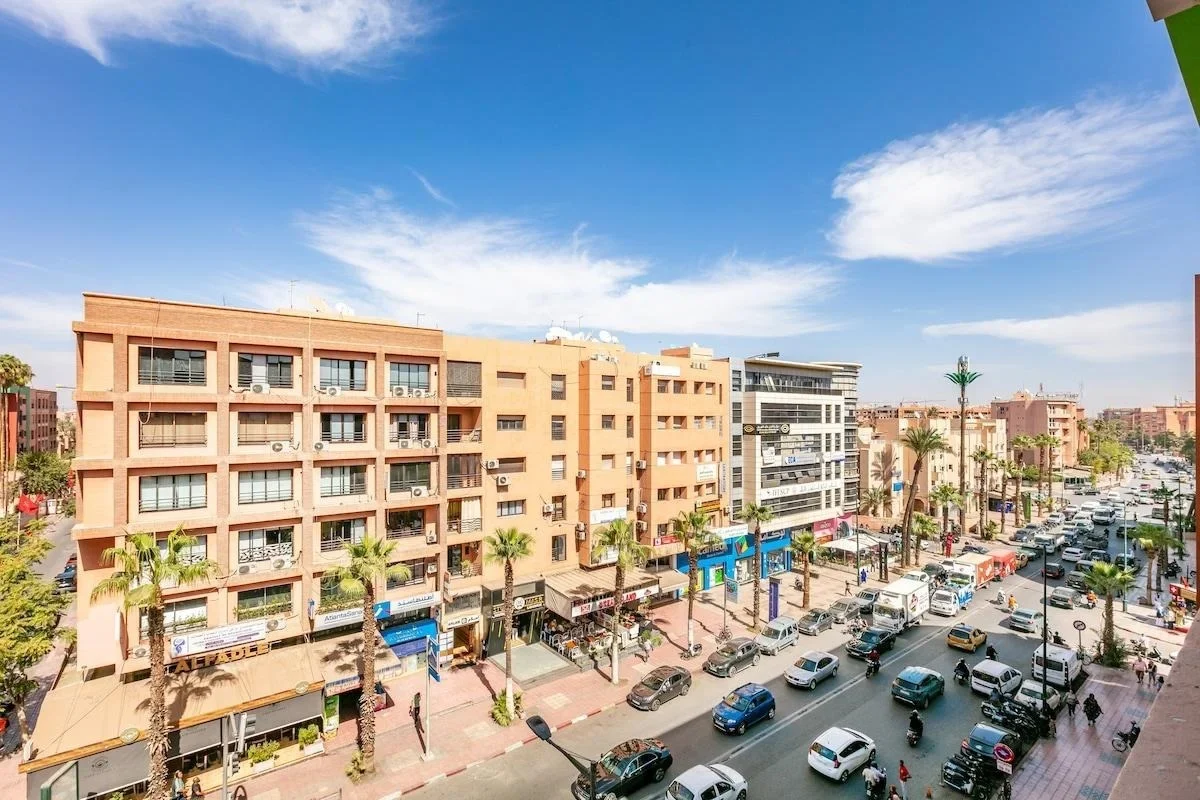
How AI Is Changing Security in Morocco's Luxury Homes
Explore facial recognition, intelligent cameras, remote access, privacy, and practical planning for AI-supported home security in Morocco.
Orchid Island
Editorial team
3 min read
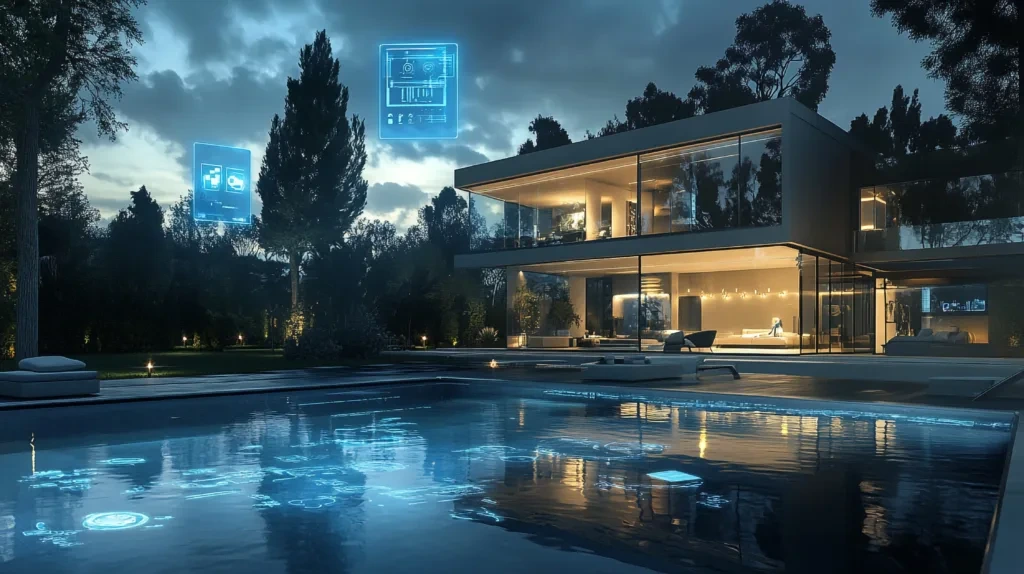
Luxury homes in Morocco increasingly combine architecture and comfort with connected security. Artificial intelligence can help cameras, access systems, and alarms distinguish normal activity from events that require attention.
For owners who travel frequently or live abroad, this technology can improve oversight. It also introduces questions about privacy, cybersecurity, maintenance, and dependence on a vendor. A useful system starts with a clear security plan rather than technology for its own sake.
Why smart security is gaining attention
Marrakech, Casablanca, and Tangier attract international buyers seeking primary residences, second homes, and investments. Alongside design and location, these buyers may prioritise controlled access and reliable remote monitoring.
Conventional cameras, motion sensors, and alarms mainly record or react. AI-supported security systems can analyse information in real time, identify anomalies, and prioritise alerts. Their effectiveness still depends on suitable equipment, correct configuration, and human response.
Core components
1. Facial and biometric recognition
Biometric access may use a face, fingerprint, or voice to authorise entry to a door or restricted area. It can reduce reliance on physical keys, but enrolment, fallback access, data storage, and false matches need careful management.
2. Cameras with real-time analysis
AI-enabled cameras can learn common movement patterns and flag unusual activity. For example, a system might distinguish a known gardener from an unknown person near a villa entrance after dark, then alert the owner or security team.
Behaviour analysis and licence-plate recognition can also support perimeter and vehicle access. These functions should be tested in the property's actual lighting, weather, and network conditions.
3. Remote access and smart locks
Connected platforms can control gates, locks, and alarms from a mobile device. This is useful for overseas owners, household staff, guests, and maintenance teams because access can be granted for a defined purpose and withdrawn remotely.
Integration in Moroccan villas
Luxury properties in areas such as Marrakech's Palmeraie and Casablanca's Anfa increasingly offer connected security. Brands cited by the source include Hikvision, Arlo, and Control4. Some developers offer these systems as a standard or optional specification.
The installation should suit the architecture and household. Cameras and sensors can be positioned discreetly, while conventional controls and manual access should remain available if power, connectivity, or a platform fails.
Benefits beyond intrusion detection
An integrated system can show who entered, when access occurred, and how long a permission remained active. It may also notify an owner when domestic staff arrive or leave.
These features may strengthen a property's appeal to security-conscious buyers. They do not guarantee a higher valuation, and obsolete or poorly maintained equipment can become a liability.
Privacy and cybersecurity
Extensive surveillance can feel intrusive, particularly in a family home. Owners should define which spaces need monitoring, who can see recordings, how long data is retained, and where it is stored.
Strong passwords, multi-factor authentication, software updates, encrypted connections, secure routers, and separate device networks reduce digital risk. Installers should also explain what happens when a service subscription ends.
Future directions
Predictive analysis may increasingly identify patterns before an incident occurs. Integration with Internet of Things devices could connect security, lighting, occupancy, and emergency responses.
The source anticipates drone-assisted surveillance, crowd detection, and motion analysis in video feeds. These uses require appropriate permissions, proportionate deployment, and reliable human oversight. Morocco's smart-city programmes may accelerate adoption, but regulation and privacy expectations will remain important.
Planning a secure smart home
AI can make monitoring more selective and access more flexible, but it should complement physical barriers, trained personnel, and an incident-response plan. Buyers should review interoperability, data governance, maintenance cost, local support, and the useful life of every system.
In 2025 and beyond, well-planned security may be an important element of a luxury home. The strongest installation is discreet, resilient, understandable to its users, and appropriate to the actual risks.
Contact Orchid Island to discuss luxury homes and the technical due diligence required for connected security.