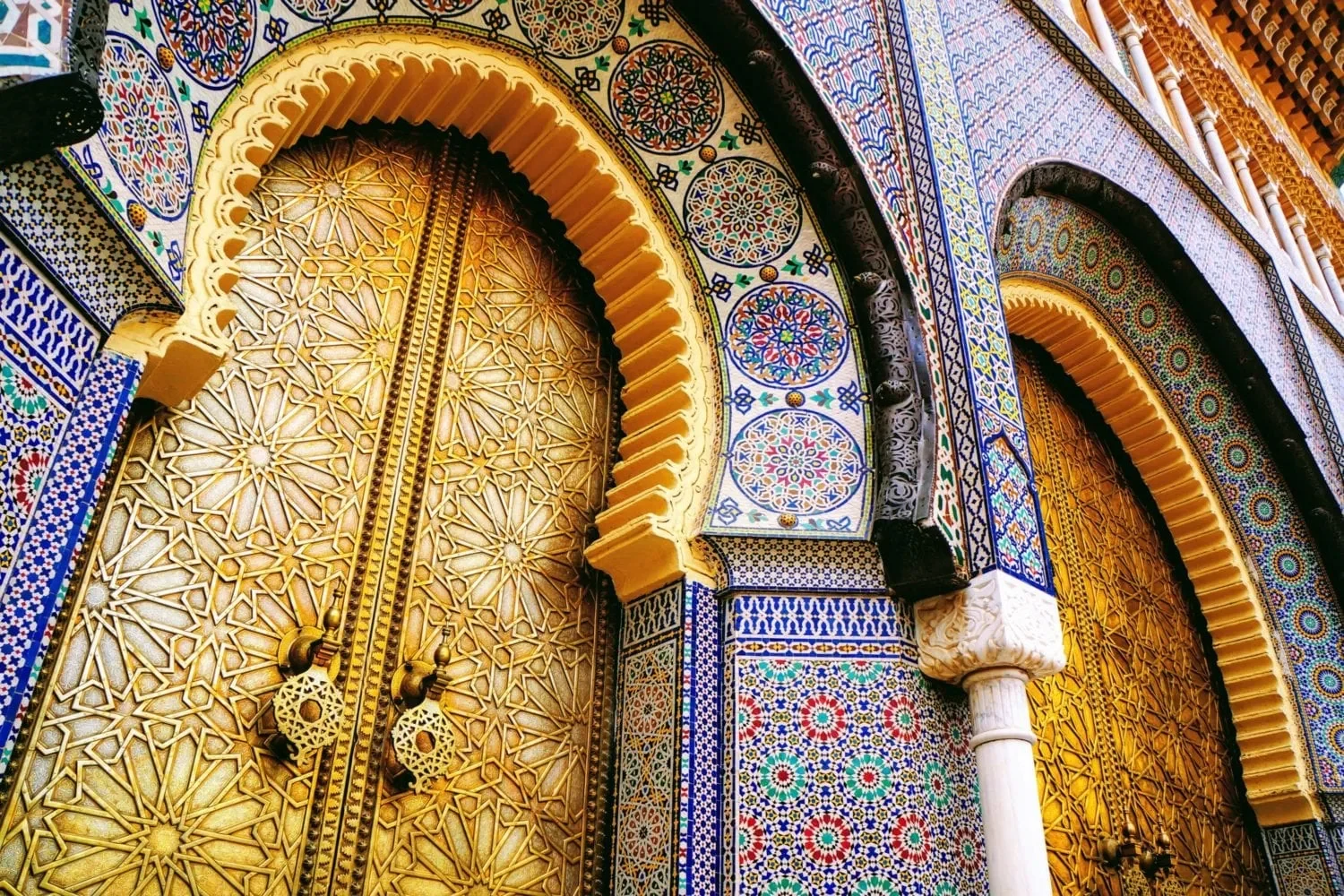
Architectural Canvas: How Walls Speak the Language of Prestige
Discover how wall art and prestige homes create exclusive elegance, transforming spaces into symbols of luxury and aspiration.
Orchid Island
Editorial team
3 min read

In a well-designed home, art gives rooms identity and can connect architecture with the owner's interests, memories, and culture. A successful collection is not defined by price alone. Scale, authenticity, placement, light, conservation, and the relationship between individual works all matter.
The Art of Walls: A Symbol of Prestige
Walls establish rhythm, proportion, and visual focus. A large abstract work can anchor an open living room, while a smaller group can create intimacy in a library or corridor. Resources from Sotheby's can help owners understand artists and markets, but the final selection should respond to the home rather than function as a status symbol.
Curating Wall Art for Timeless Elegance
Begin with the room's dimensions, sight lines, daylight, artificial lighting, materials, and colour palette. Large works need enough viewing distance, while smaller pieces can form a coherent group in private spaces. Frames, mounts, and glazing should suit both the artwork and its conservation needs.
Authenticity and provenance are essential when buying original work. Galleries, auction houses such as Christie's, and independent art advisers can provide context, condition information, and documentation. Owners should still verify claims and understand fees before buying.
Balance between Architecture and Art
Art should complement the room without becoming visually crowded. A restrained interior may support one strong work, while a traditional setting can accommodate a layered arrangement. Lighting should reveal colour and texture without exposing sensitive materials to damaging heat or ultraviolet light.
The Investment Value of Wall Art
Some owners also view art as an investment, but value can fall and markets may be illiquid. Artist reputation, provenance, condition, scarcity, transaction fees, insurance, storage, and buyer demand all affect the outcome. Artprice provides market information, but a database or past auction result is not a guarantee of future value.
Buy art primarily because it has meaning in the home. If investment is also a goal, obtain specialist advice and maintain complete purchase, provenance, condition, and conservation records.
Creating Emotional Resonance Through Art
The most memorable collections feel personal. A work may recall a place, mark an important period, support an artist, or simply change the atmosphere of a room. Building around those connections creates a home with more depth than a collection selected only to follow a trend.
Showcasing Art in Social Spaces
Entrances, lounges, and dining rooms suit works intended to start a conversation. Position, scale, hanging height, and light should be considered from the main approaches to the room. More private or delicate work may be better suited to a library, bedroom, or low-light space.
Challenges in Curating Wall Art for Prestige Homes
Authenticity, condition, conservation, and installation require expertise. Trusted galleries, auction houses, art advisers, conservators, and interior designers can each address part of the process. Marketplaces such as 1stDibs can broaden discovery, but buyers should still verify the seller, provenance, condition, shipping, taxes, and return terms.
Conclusion
Thoughtful art selection can strengthen architecture and make a home distinctly personal. Start with the space, choose authentic work that matters to the owner, document each acquisition, and plan professional installation and conservation from the beginning.
Contact Orchid Island to discuss properties whose architecture and interiors support a considered art collection.