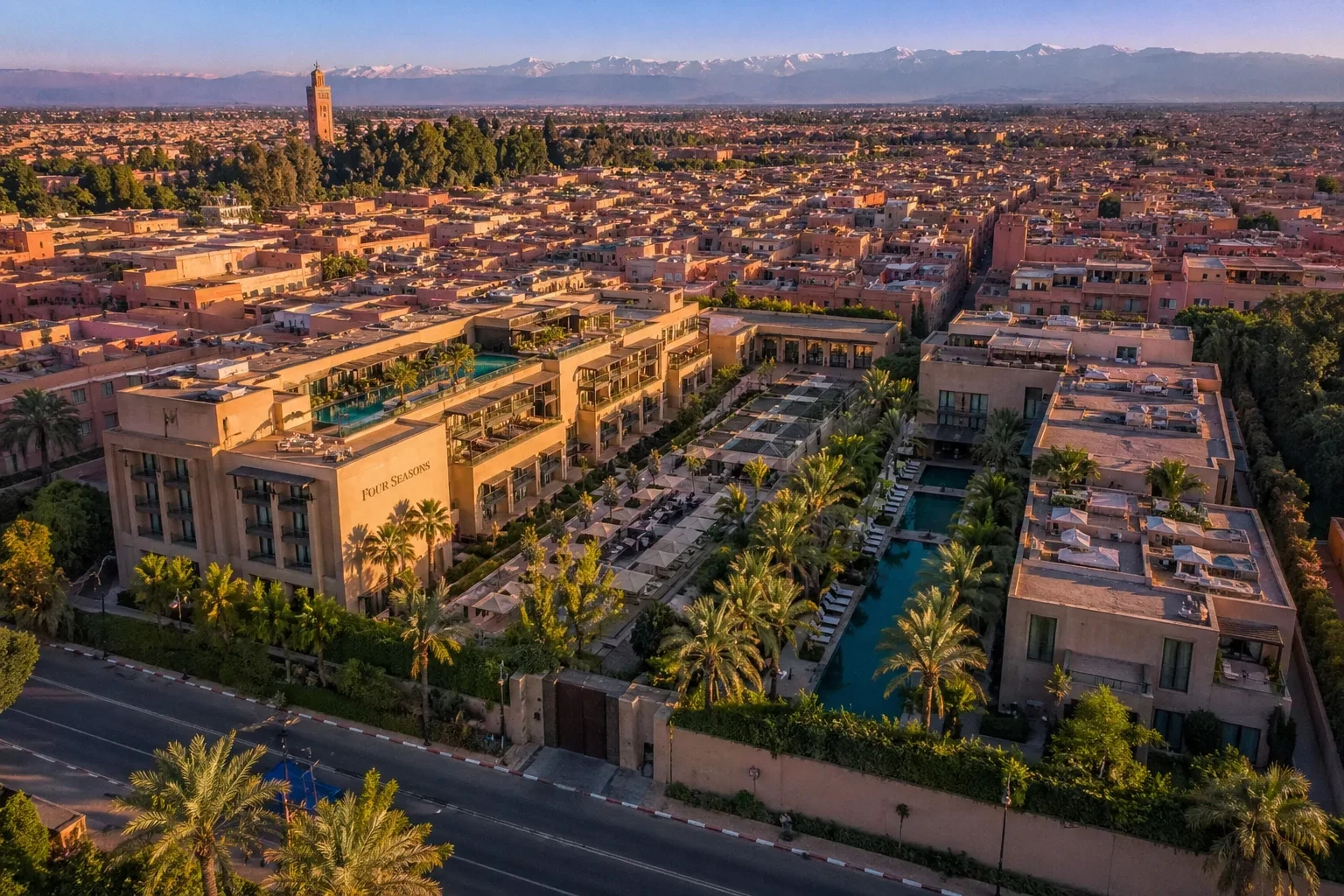
Vacation in Marrakech: What Are the Best Things to Do and See?
A first-time visitor's guide to Marrakech, covering the Medina, gardens, palaces, Moroccan food, the Palmeraie, hammams, souks, and Atlas Mountain day trips.
Orchid Island
Editorial team
4 min read
Marrakech brings together historic architecture, living craft traditions, gardens, food, and easy access to the landscapes beyond the city. A well-paced first visit balances the intensity of the Medina with quieter cultural sites, restorative breaks, and at least one excursion outside the center.
1. Explore the Medina and Jemaa el-Fnaa
The Medina is a network of narrow streets, workshops, markets, homes, and monuments enclosed by historic walls. Jemaa el-Fnaa provides a useful point of reference and changes character throughout the day. Juice stalls and vendors fill the square in daylight, while food stands and performers draw larger crowds after sunset.
Allow time to wander, but keep an offline map available and arrange a licensed guide if you want deeper architectural or historical context. Ask before photographing people, agree prices before accepting a service, and treat bargaining in the souks as a courteous conversation.
2. Visit Jardin Majorelle
Jardin Majorelle combines vivid blue architecture with cacti, palms, bamboo, and shaded paths. French painter Jacques Majorelle began developing the garden in the 20th century, and Yves Saint Laurent and Pierre Bergé later helped preserve it.
Timed admission can sell out, so booking ahead is sensible. The nearby Musée Yves Saint Laurent Marrakech can be added to the same visit for an introduction to the designer's work and his connection to the city.
3. Discover Bahia Palace
Bahia Palace is one of Marrakech's most important 19th-century residences. Its painted cedar ceilings, carved plaster, zellige tilework, courtyards, and gardens illustrate the skill of Moroccan craftspeople and the ceremonial life of the period.
Visit early when possible, both for cooler temperatures and a quieter experience. A guide can explain how the rooms were organized and identify details that are easy to miss when walking through independently.
4. Taste Traditional Moroccan Cooking
Food is central to a stay in Marrakech. Tagines, couscous, pastilla, harira, grilled meats, salads, and seasonal fruit appear in settings ranging from market stalls to contemporary restaurants. Rooftop dining can be atmospheric, while a small neighborhood restaurant may offer a more intimate meal.
Choose busy stalls with visible food turnover, drink bottled or properly filtered water, and tell the kitchen about allergies clearly. A cooking class is another practical way to understand spices, preparation methods, and market ingredients.
5. Ride Through the Palmeraie
The Palmeraie lies beyond the dense historic center and offers palm groves, open views, and resort properties. Camel rides and guided cycling or quad excursions are widely available, but operator standards vary.
Choose a provider that treats animals responsibly, supplies appropriate safety equipment, and explains the route before departure. Morning or late-afternoon outings are generally more comfortable than the hottest hours of the day.
6. See the Koutoubia Mosque and Gardens
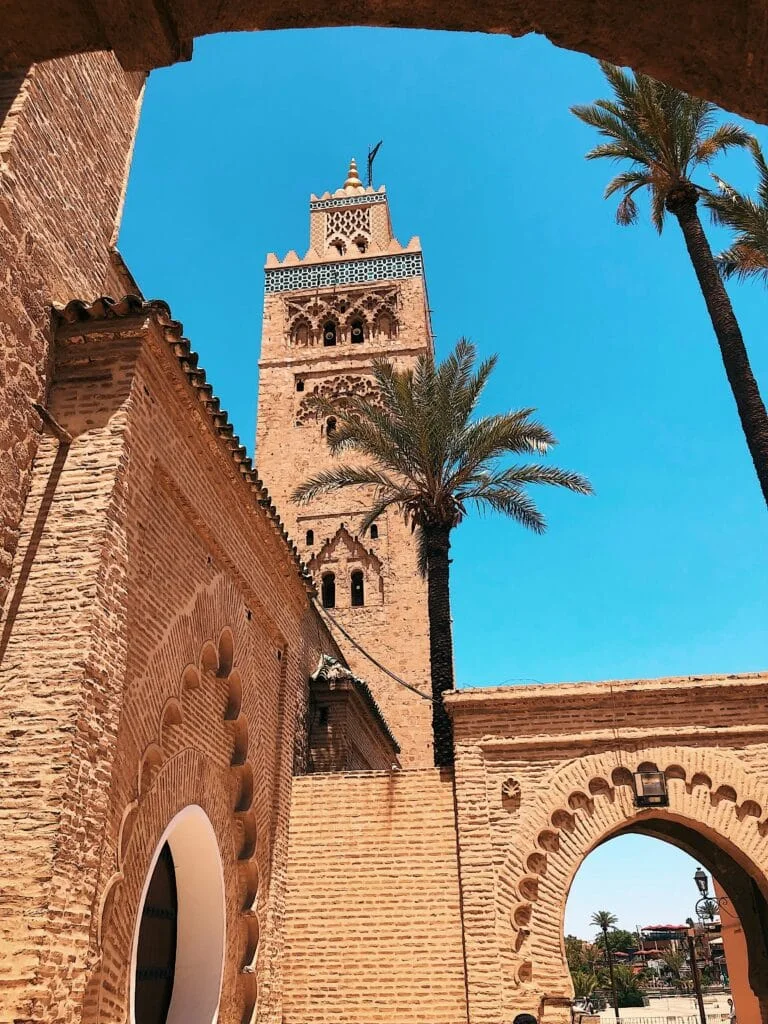
The Koutoubia Mosque and its 77-meter minaret form one of Marrakech's defining landmarks. The current structure dates from the Almohad period and remains an active place of worship. Non-Muslim visitors cannot enter the prayer hall, but the surrounding gardens and public spaces offer excellent views of the architecture.
The area is particularly attractive near sunset, when the light softens and the minaret becomes a useful orientation point between the Medina and the newer districts.
7. Shop Thoughtfully in the Souks
Marrakech's souks are organized around crafts including leatherwork, metalwork, textiles, ceramics, carpets, spices, and wood carving. Quality and pricing vary considerably, so compare several shops before making a substantial purchase.
Ask about materials and production methods, confirm whether shipping and customs charges are included, and request a written receipt for valuable items. Buyers interested in artisan work can benefit from visiting a cooperative or workshop where the production process is visible.
8. Book a Traditional Hammam
A hammam visit can provide a restorative pause after sightseeing. Public neighborhood hammams offer a traditional communal experience, while hotels and independent spas provide private treatments that may include steam, black soap, exfoliation, clay, and massage.
Confirm what the treatment includes, how long it lasts, and what clothing or swimwear is expected. Reputable spas explain each stage and accommodate requests concerning privacy or treatment intensity.
9. Take a Day Trip to the Atlas Mountains
The Atlas Mountains are accessible from Marrakech for day hikes, village visits, and longer stays. The Ourika Valley is popular for a shorter excursion, while the Imlil area serves as a base for mountain walks and routes toward Mount Toubkal, the highest summit in North Africa.
Conditions can change quickly with altitude. Wear suitable footwear, carry water and sun protection, and use a qualified local guide for demanding routes. Visitors should also respect village life by asking permission before taking photographs and supporting locally operated businesses.
Plan a Balanced Marrakech Stay
The best Marrakech itineraries leave room for both discovery and rest. Combine the Medina's markets and monuments with gardens, a hammam, considered dining, and an excursion into the surrounding landscape. Starting early, reserving popular sites, and avoiding an overfilled schedule will make the city easier to appreciate.
Contact Orchid Island if you are exploring a longer-term connection to Marrakech through property ownership.