Moroccan Real Estate in 2030: World Cup Investment and Lasting Trends
A measured look at how transport, tourism, housing, climate, technology, and the 2030 World Cup may influence Moroccan property beyond the event itself.
Orchid Island
Editorial team
3 min read

Morocco's co-hosting of the 2030 FIFA World Cup with Spain and Portugal is accelerating discussion about transport, stadiums, hospitality, and urban development. The tournament can concentrate investment and international attention, but the property market of 2030 will also be shaped by everyday housing demand, employment, climate, financing, and city planning.
Investors should distinguish durable improvements from event-specific demand and assess each asset under conservative post-tournament assumptions.
Infrastructure Can Change the Map of Demand
Transport and public-space investment can improve access between neighborhoods, employment, airports, stations, and visitor destinations. Property may benefit when infrastructure is funded, delivered, and connected to a real source of demand.
Announcements alone do not justify a purchase. Buyers should confirm project status, route, timetable, land impact, and whether improvements are likely to reduce or increase noise, traffic, and competing supply around the property.
Different Cities Have Different Drivers
Marrakech
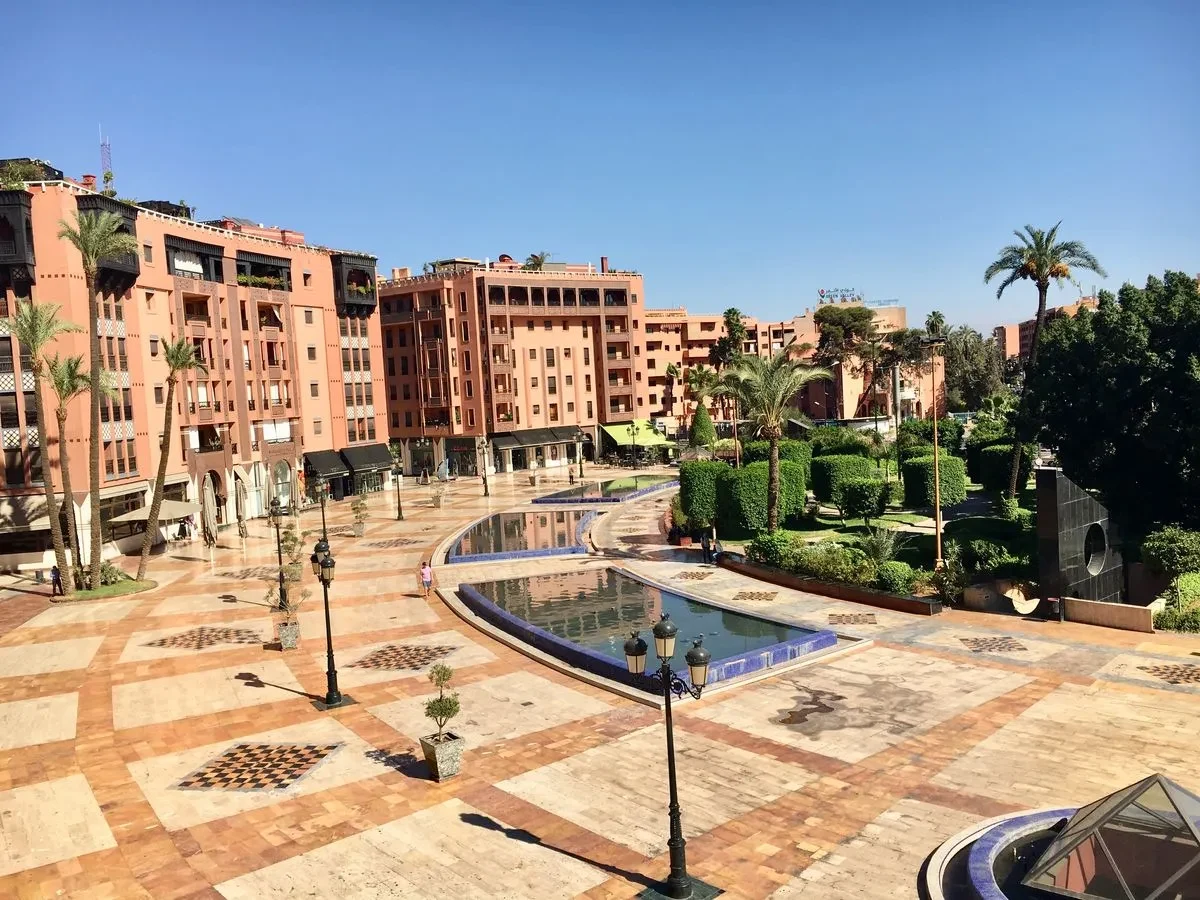
Tourism, hospitality, second homes, and lifestyle demand support riads, villas, and central apartments. Rental performance depends on authorization, location, season, and professional management rather than the World Cup alone.
Casablanca
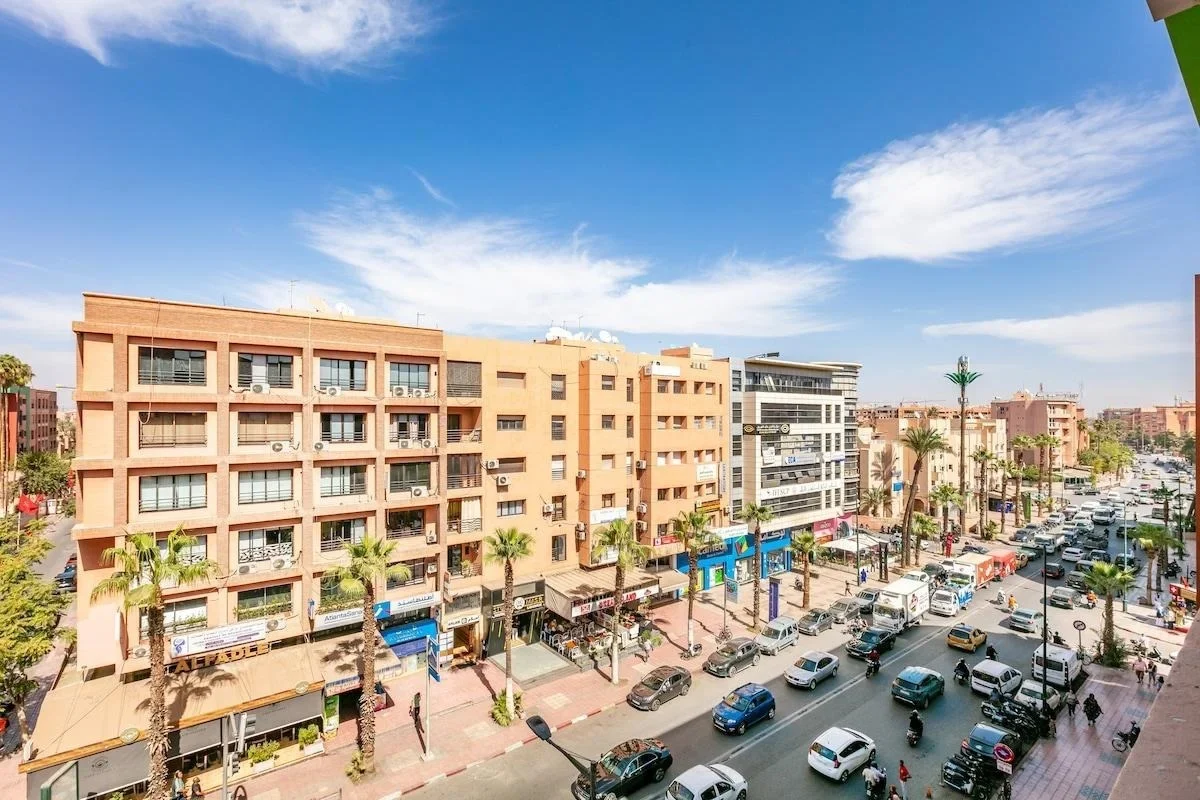
Business, employment, and a large resident population shape residential and commercial demand. Transport and mixed-use development may influence which districts attract households and companies.
Tangier
Port, logistics, manufacturing, and proximity to Europe create a different case. Housing and commercial property should be linked to specific employment and infrastructure corridors.
Agadir
Coastal tourism and resident demand support hospitality and housing. Climate resilience, water, seasonality, and the depth of the resale market remain important.
Buildings Will Need Better Environmental Performance
By 2030, heat, water, energy cost, and extreme weather are likely to matter more to occupants, insurers, and regulators. Orientation, shade, insulation, ventilation, efficient systems, water management, and durable landscape design can improve comfort and operating cost.
A green label should be supported by specifications, measured performance, maintenance arrangements, and replacement plans.
Technology Will Become Less Visible
Access control, leak detection, energy monitoring, climate management, security, and maintenance software may become common in new or renovated buildings. The best systems work quietly and remain repairable.
Buyers should avoid proprietary technology that cannot be serviced locally or requires permanent dependence on one vendor. Privacy, cybersecurity, manual controls, and data ownership need attention.
Mixed-Use and Connected Neighborhoods
Households value access to work, schools, shops, health care, recreation, and transport. Developments that combine uses can reduce travel and support active streets when planning, deliveries, noise, parking, and public space are handled well.
Large projects should be evaluated in phases. Early buyers need to understand what is complete, what remains conditional, and how long construction may continue around them.
Short-Term Demand Needs a Long-Term Test
The World Cup may create exceptional accommodation demand around particular dates and places. A rental investment should still work during ordinary years.
Model occupancy, nightly rate, and operating cost by season. Include management, cleaning, platforms, utilities, maintenance, insurance, tax, authorization, guest reporting, and replacement reserves. New supply entering before 2030 may limit pricing power.
Risks to Include in the Forecast
- Purchase prices rising faster than rents or local incomes
- Projects or infrastructure delivered later than expected
- Changes in tax, rental, planning, or foreign-buyer rules
- Construction, financing, currency, and interest-rate pressure
- Water, heat, flood, or insurance exposure
- Limited resale demand for highly specialized property
A plan should remain manageable if appreciation is slower and rental income is lower than the promotional case.
Invest in Lasting Utility
The best 2030 property opportunities are likely to be homes and commercial spaces that remain useful after visitors leave. Legal clarity, strong locations, comfortable and efficient buildings, capable management, and demand rooted in the local economy create more durable value than an event narrative.
Orchid Island Real Estate can help buyers compare Moroccan properties through an acquisition process grounded in current evidence and long-term use.