Agrotourism Property in Morocco: A Rural Investment Framework
How to evaluate Moroccan agrotourism property through land rights, water, access, farming, hospitality permissions, community relationships, operations, and conservative returns.
Orchid Island
Editorial team
3 min read
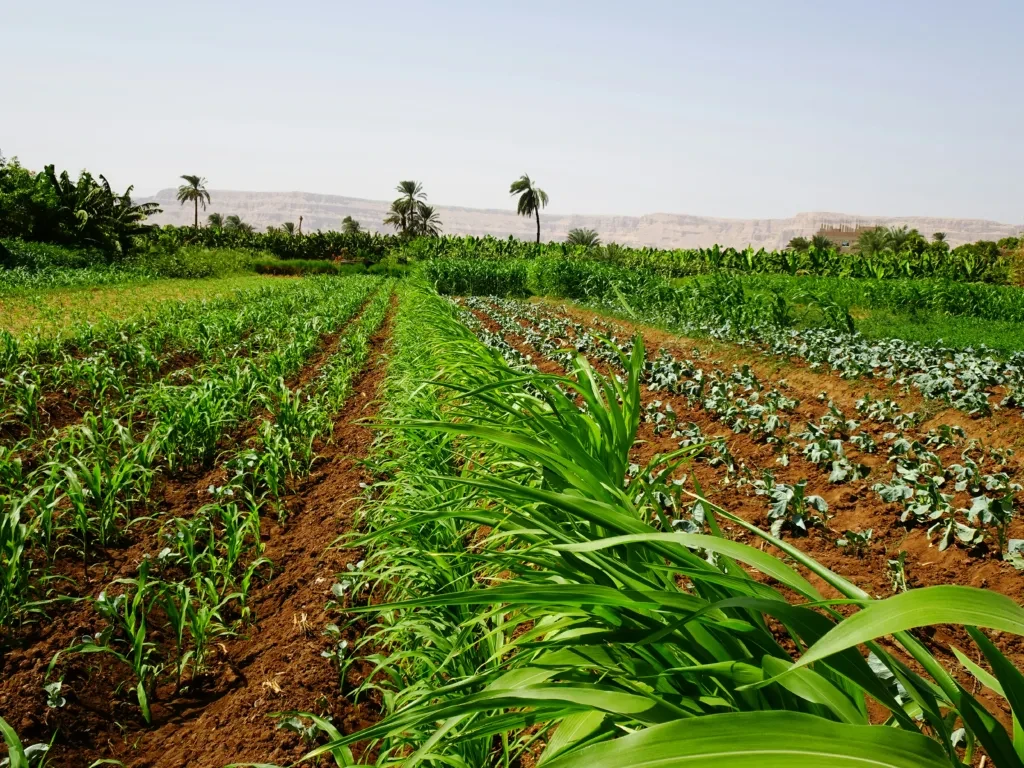
Agrotourism combines working land, rural accommodation, food, craft, or educational experiences. A Moroccan project might include an orchard with guest rooms, a farm-to-table retreat, a mountain lodge connected to local producers, or a small hospitality property offering agricultural activities.
The model can diversify income, but it also combines the risks of property, farming, hospitality, and rural infrastructure. Buyers need evidence that the land can be acquired and used as intended before designing the guest experience.
Define the Agricultural and Visitor Activities
Start with a specific operating concept. Identify what will be grown or produced, who will manage it, what guests can safely experience, how many rooms or visitors the site will support, and whether food, events, wellness, or retail are part of the plan.
Each activity can create different land-use, construction, licensing, food-safety, employment, insurance, and tax requirements.
Verify Land Rights and Permitted Use
Rural land in Morocco can fall under different legal categories. Foreign ownership, agricultural use, conversion, leasing, and development rights depend on the specific parcel and current law.
Independent professionals should verify the seller, title or supporting ownership records, boundaries, access rights, land classification, water rights, encumbrances, and planning status. A general statement that foreigners can buy Moroccan property does not establish that they can acquire a particular agricultural asset.
Test Water, Access, and Utilities
The viability of a rural project often depends on infrastructure that urban buyers take for granted:
- Legal and all-season road access
- Water source, rights, capacity, quality, and drought resilience
- Irrigation and wastewater treatment
- Electricity, renewable systems, and backup capacity
- Telecommunications and emergency access
- Waste handling and supplier logistics
These items should be assessed technically and included in the capital budget.
Choose a Region for the Concept
Atlas foothills, the Souss Valley, Ouarzazate and Skoura, the Chefchaouen region, and countryside near established visitor routes offer different climates, crops, landscapes, and travel patterns.
The best location is not simply the most scenic. It is the site where the agricultural activity is viable, guests can arrive safely, staff and suppliers are available, and the operating season supports the financial plan.
Official tourism information can be checked through the Moroccan Ministry of Tourism, while site-level permissions require confirmation with the competent authorities.
Build Local Relationships into the Business
Agrotourism works best when local farmers, cooperatives, guides, cooks, and artisans participate through clear and fair commercial arrangements. Buyers should listen to existing land users and understand how water, paths, grazing, harvests, and seasonal work are managed locally.
Community involvement should be a real operating relationship, not a marketing claim. Contracts, payment terms, safety, attribution, and intellectual-property permissions need to be clear.
Model Farming and Hospitality Separately
Prepare separate revenue and cost assumptions for accommodation, food, activities, products, and agricultural output. Farming income can vary with weather, yield, water, labor, pests, and commodity prices. Hospitality varies with season, access, reviews, and management.
Include staffing, utilities, maintenance, transport, insurance, platform fees, food cost, farm inputs, replacement reserves, tax, and working capital. A diversified project can be resilient, but only if each activity is operationally credible.
Design for Climate and Maintenance
Passive cooling, shade, insulation, durable local materials, water efficiency, and landscape suited to the climate can improve comfort and reduce operating pressure. Renewable energy and recycling systems should be specified, serviceable, and measured rather than added only for an eco label.
Guest areas must remain safe around animals, tools, water, uneven terrain, pools, and food production.
Grow in Verifiable Stages
A phased project can reduce risk. Secure the land position and essential infrastructure first, test the agricultural activity and a limited guest offer, then expand after demand and operations are demonstrated.
Every phase should have its own permission, budget, contingency, and completion criteria.
A Rural Business with Multiple Disciplines
Agrotourism can create meaningful stays and support local economic activity, but it is not passive property income. A defensible investment combines secure rights, viable agriculture, appropriate hospitality, reliable infrastructure, capable management, and respectful local partnerships.
Contact Orchid Island to assess rural Moroccan property with coordinated legal and technical advice.