Moroccan Land Tenure: A Guide for Foreign Property Buyers
A cautious introduction to Moroccan land categories, titled and untitled property, collective and religious land, agricultural restrictions, and buyer due diligence.
Orchid Island
Editorial team
4 min read
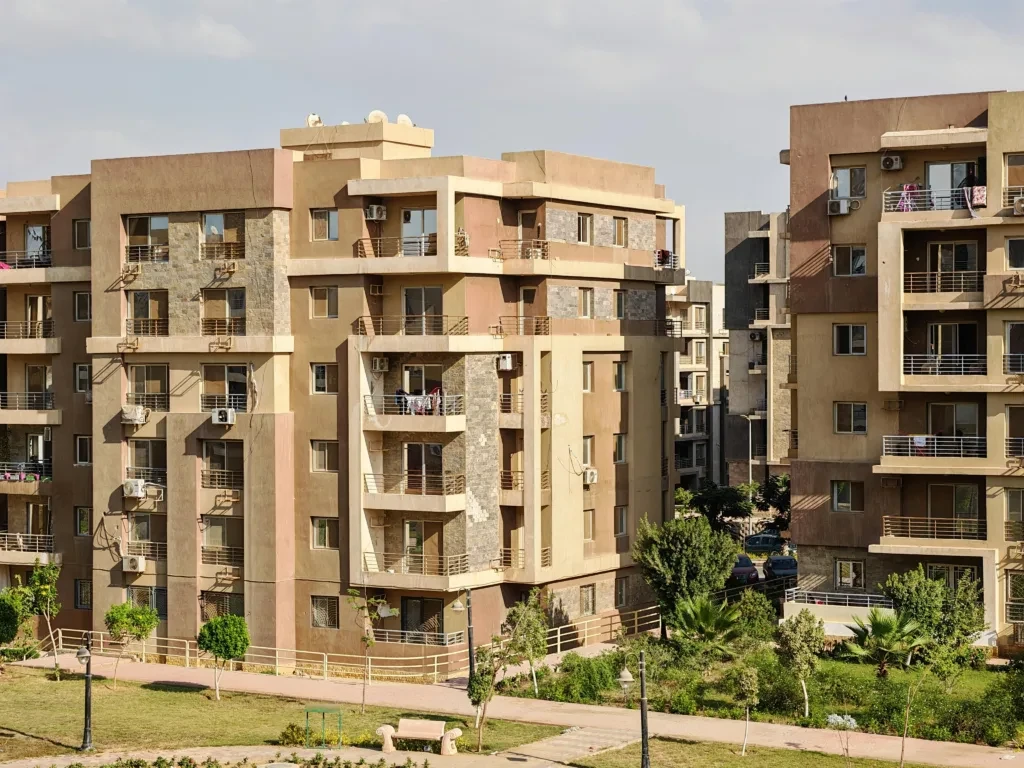
Foreign buyers can acquire many Moroccan apartments, villas, and other properties, but the legal analysis depends on the particular asset. Morocco includes titled and untitled private property as well as collective, religious, state, forest, and agricultural land subject to different rules.
Labels used in conversation are not enough. A qualified Moroccan notary or lawyer should identify the legal category, records, rights, restrictions, and acquisition route before the buyer signs or pays a deposit.
Titled Private Property
Titled property is recorded with the land administration under a specific reference. The record can identify ownership, boundaries, area, mortgages, and other registered rights.
Buyers should obtain a current official record and ensure that the seller, physical property, plan, and transaction documents match it. Registration improves clarity, but planning, construction, tax, occupancy, and technical checks are still required.
Untitled or Traditionally Documented Property
Some private property is supported by traditional deeds or other evidence rather than a final land title. These transactions can require a more complex review of ownership history, boundaries, possession, heirs, and third-party rights.
The buyer should understand whether registration is possible, how long it may take, who could object, and what happens if the process fails. A lower price does not necessarily compensate for unresolved ownership risk.
Collective, Religious, and State-Related Land
Collective land, habous property, state land, and other special categories may be governed by separate institutions and restrictions. Rights may involve use, lease, allocation, concession, or approval rather than ordinary private ownership.
Do not assume that a long occupation, local agreement, or private contract creates a transferable title. The competent authority and lawful transaction structure must be verified independently.
Agricultural Land and Foreign Buyers
Agricultural classification requires particular care for a foreign buyer. Ownership, lease, investment structure, conversion, and permitted development can depend on the parcel, location, intended use, and current approvals.
Obtain written advice before treating rural land as a villa site, resort, agrotourism project, or development opportunity. Water rights, access, environmental constraints, and building permission must also be checked.
Due Diligence for Any Land Category
A professional review should address:
- Seller identity and authority
- Legal category and ownership evidence
- Current official records and encumbrances
- Boundaries, area, survey, and access rights
- Planning, zoning, subdivision, and construction status
- Agricultural, collective, heritage, environmental, or other restrictions
- Taxes, charges, occupants, leases, and disputes
- The steps and conditions required for a valid transfer
The ANCFCC is a key official source for land conservation, cadastre, and mapping services, but the correct authority depends on the property.
Match the Contract to the Verified Property
The preliminary agreement and final deed should describe the same property and rights confirmed during due diligence. Conditions should address unresolved documents, financing, permissions, vacant possession, payment, and the consequences of non-completion.
Funds should move through a controlled and documented process. Bank details and signing authority need independent verification, especially in a remote transaction.
Registration and Post-Purchase Records
After completion, confirm that all required registration and tax steps have been completed and retain the final documents, official receipts, plans, insurance, and professional correspondence.
If the property will be renovated, rented, subdivided, or developed, obtain the relevant approvals before work or marketing begins.
Questions Foreign Buyers Should Ask
Can a foreigner buy property in Morocco?
Foreigners can generally acquire many urban private properties. The answer for agricultural or specially classified land requires asset-specific legal advice.
Is every private deed equivalent to a registered title?
No. Documents can represent different forms and levels of evidence. A professional must determine what the document proves and whether the intended transfer can be registered.
Does title review confirm that construction is legal?
Not by itself. Planning permission, building authorization, completion, plans, and alterations require separate verification.
Why are a notary and lawyer both sometimes used?
The professionals can have different roles. The buyer should understand who authenticates and completes the transaction, who provides independent advice, and who reviews specialized issues.
Verify the Asset Before the Opportunity
Moroccan property can be accessible to international buyers, but land tenure is not a detail to investigate after agreeing a price. The legal nature of the asset determines what can be bought, transferred, financed, developed, and sold later.
Read our broader guide to foreign property ownership in Morocco, then contact Orchid Island to coordinate a search with the appropriate independent professionals.