Can Foreigners Buy Property in Morocco? Your Ultimate Guide to Owning Real Estate in 2025
A practical guide to the legal requirements, process, financing, benefits, and risks of buying property in Morocco as a foreigner.
Orchid Island
Editorial team
3 min read
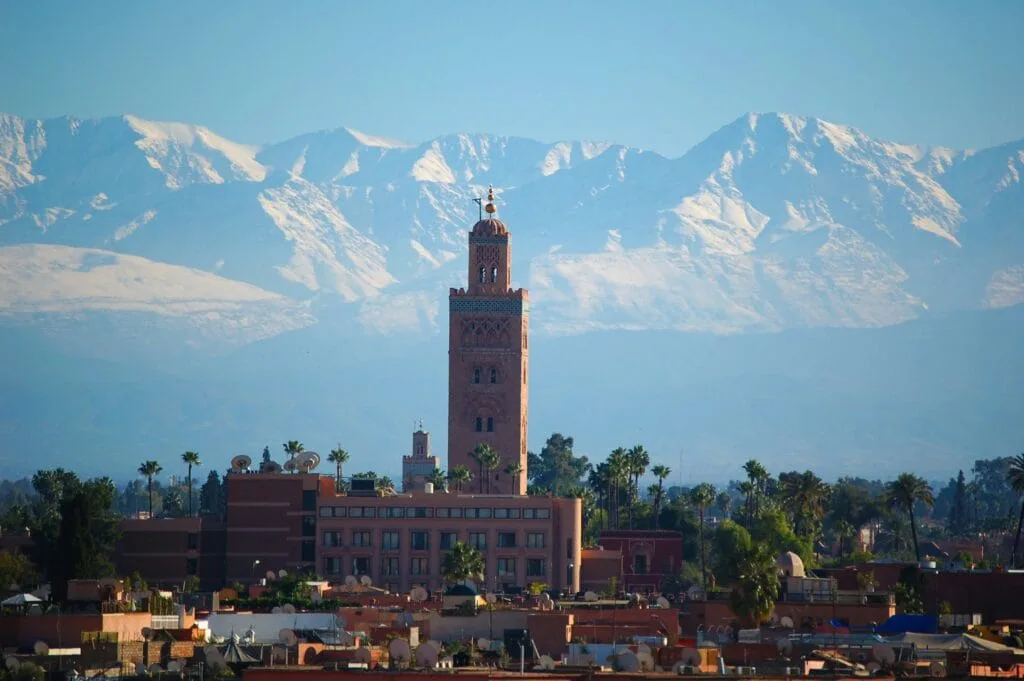
Morocco has long attracted travellers, expatriates, and investors with its vibrant culture, varied landscapes, and busy cities such as Marrakech, Casablanca, and Tangier. This interest also extends to Algerian buyers considering a home in the country.
The short answer is generally yes: foreigners can buy property in Morocco. However, anyone considering the Moroccan real estate market should understand the legal requirements, advantages, disadvantages, and practical steps before proceeding.
Is it legal for foreigners to buy property in Morocco?
Yes, it is legal for foreigners to buy property in Morocco. The Moroccan government supports foreign real estate investment, although conditions differ according to the type and location of the property.
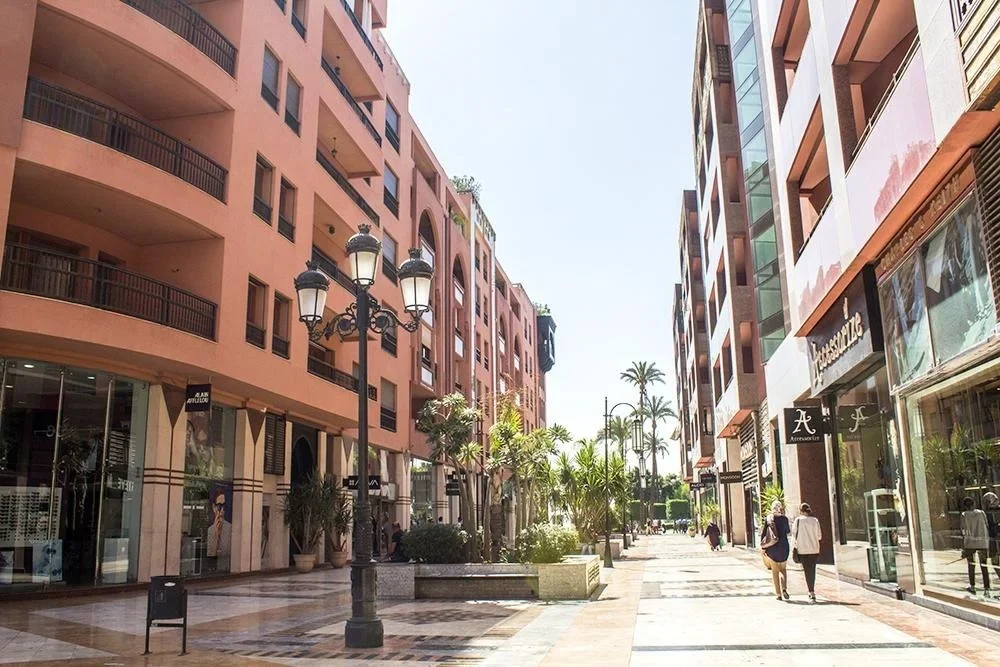
- Urban areas: Foreigners may buy residential, commercial, or holiday property in urban areas such as Marrakech, Casablanca, and Agadir.
- Rural or agricultural land: Buying agricultural land or property in rural areas is more complex. Foreign nationals normally need special permission from the Moroccan government, and the process can be lengthy.
How can foreigners buy property in Morocco?
The following steps provide a practical route through the purchase process.
Step 1: Research the market
Research the Moroccan property market before making an offer. Cities commonly considered by foreign buyers include:
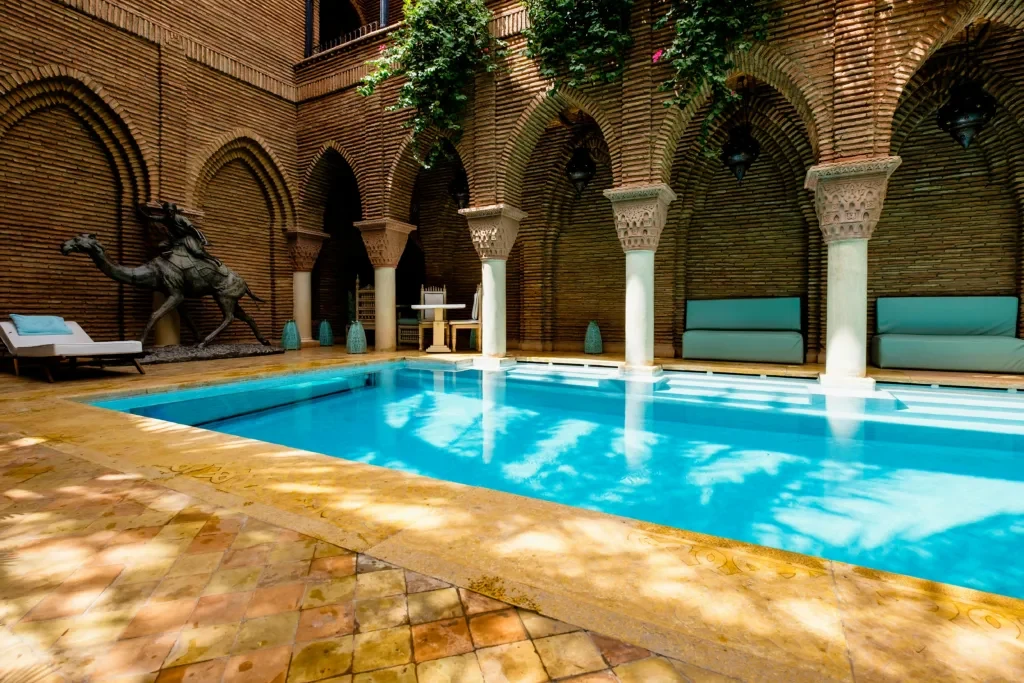
- Marrakech: Known for luxury villas, riads, and access to mountain landscapes.
- Casablanca: Characterised by modern apartments and penthouses.
- Tangier: A historic Mediterranean coastal city with attractive sea views.
- Essaouira: A calm Atlantic town that can suit a holiday home.
Step 2: Hire a local real estate agent or lawyer
A trustworthy local real estate agent or lawyer can guide you through the legal process, verify that the seller owns the property, check that the title is clear and free of disputes, negotiate the price, and assist with documents.
Step 3: Secure financing if needed
Many foreign buyers pay in cash, while others use a loan. Moroccan banks provide loans to expatriates, but the conditions may differ from those in the buyer's home country. Buyers should expect:
- Higher interest rates.
- A requirement to open a Moroccan bank account.
- Proof of income and residence.
Step 4: Sign the purchase agreement
After selecting a property, the buyer signs a preliminary sale agreement, or promesse de vente. It sets out the purchase conditions and may require a deposit of no more than 10% of the purchase price.
Step 5: Complete the sale before a notary
The sale is completed by signing the final deed, or acte de vente, before a notary, or notaire. The notary verifies that the transaction complies with Moroccan law and registers the property in the buyer's name.
Advantages of owning property in Morocco
Affordable luxury
Luxury property in Morocco can cost significantly less than comparable property in Europe or America. A high-end villa in Marrakech, for example, may be available at a substantially lower price.
Tax incentives
The source identifies several potential tax advantages for property owners:
- No capital gains tax when selling after six years of ownership.
- Property taxes that are low compared with those in other countries.
Tax rules and eligibility can change, so buyers should verify the current position with a qualified adviser.
Tourism potential
Morocco receives millions of visitors each year, which may create rental-income opportunities for suitable properties.
Cultural immersion
Living in Morocco offers a deeper connection with the country's culture, cuisine, and traditions. A riad in the Medina and a modern villa in a gated community provide very different settings, each with its own character.
Practical advice before buying
- Know local rules: Research Moroccan law and local requirements to avoid legal problems.
- Negotiate carefully: Property prices are often flexible, so buyers can negotiate where appropriate.
- Prepare financially: Budget for notary charges, registration taxes, and renovation costs as well as the purchase price.
Why Morocco can be a good place to invest
For foreign buyers, purchasing Moroccan real estate is legal and may be an attractive investment. The country's culture, comparative affordability, and range of urban, coastal, and traditional properties offer many ways to find a suitable home or investment.
The process is most likely to be smooth when buyers research the market, obtain reliable local legal support, verify the title, budget for all costs, and complete the transfer before a notary.